The quick answer
Pick 100 Creatives if you sell a supplement direct to consumers, your label and brand are finished, and you need a steady supply of Meta, TikTok and Google ads written inside structure/function claim rules, with a budget of $4,000 or more per engagement.
- Every engagement is quoted in writing with a fixed total, from $4,000 to $50,000+, and nothing is charged before you approve it.
- Creative batches come back in 48 hours, and revisions within 48 hours.
- A brand intake before production covers visual language, the ingredient story and the claims your own review has already cleared.
- Statics, AI video and product imagery come from one team, without booking a shoot.
Pick something else if you need packaging, retail shelf materials or out-of-home for a store launch (a full-service CPG branding agency), you need someone to substantiate a new health claim (a regulatory consultant or food and drug lawyer), or you need two or three ads a month and can brief them yourself (a freelancer; see agency vs freelancer).
What a supplement ad can claim
Three rulebooks decide what a supplement ad can say, and they overlap without matching.
The FDA sets the claim categories. Under the Dietary Supplement Health and Education Act of 1994 (DSHEA), a supplement can make structure/function claims: statements about how a nutrient or ingredient affects the normal structure or function of the body. The FDA's own examples are "calcium builds strong bones" and "fiber maintains bowel regularity." What a supplement can't claim is that it will diagnose, treat, cure or prevent a disease, because only a drug can legally say that. Labels carrying a structure/function claim need the disclaimer that the FDA hasn't evaluated it, and the maker must notify the FDA within 30 days of marketing the product with that claim (FDA, Structure/Function Claims, checked September 2026).
The FTC polices the ad itself. Its Health Products Compliance Guidance requires competent and reliable scientific evidence behind any health benefit an ad states, and customer testimonials don't count as that evidence (FTC.gov, checked September 2026). A claim that is fine on the label still needs the evidence when it moves into a headline.
Meta decides who sees it. Ads for dietary, health and weight products, including supplements, must target people 18 or older, and Meta bars claims to cure listed diseases, fat-pinching close-ups and timeframe promises without a qualifier (Meta Transparency Center, checked September 2026). The full breakdown of Meta's rules, and what the FTC adds on testimonials, is on our health and wellness ad creative page.
For a creative team, all three reduce to one habit: the claim gets written and checked before anyone designs around it. A headline redesign costs an afternoon. A disease claim that slipped through costs a rejected ad set, or a letter.
Six supplement ad angles that stay inside the rules
Most supplement ads that get rejected fail on wording, so the useful question for a brief is which angles give the copy room to sell without reaching for an outcome promise. These six do.
1. The ingredient spotlight
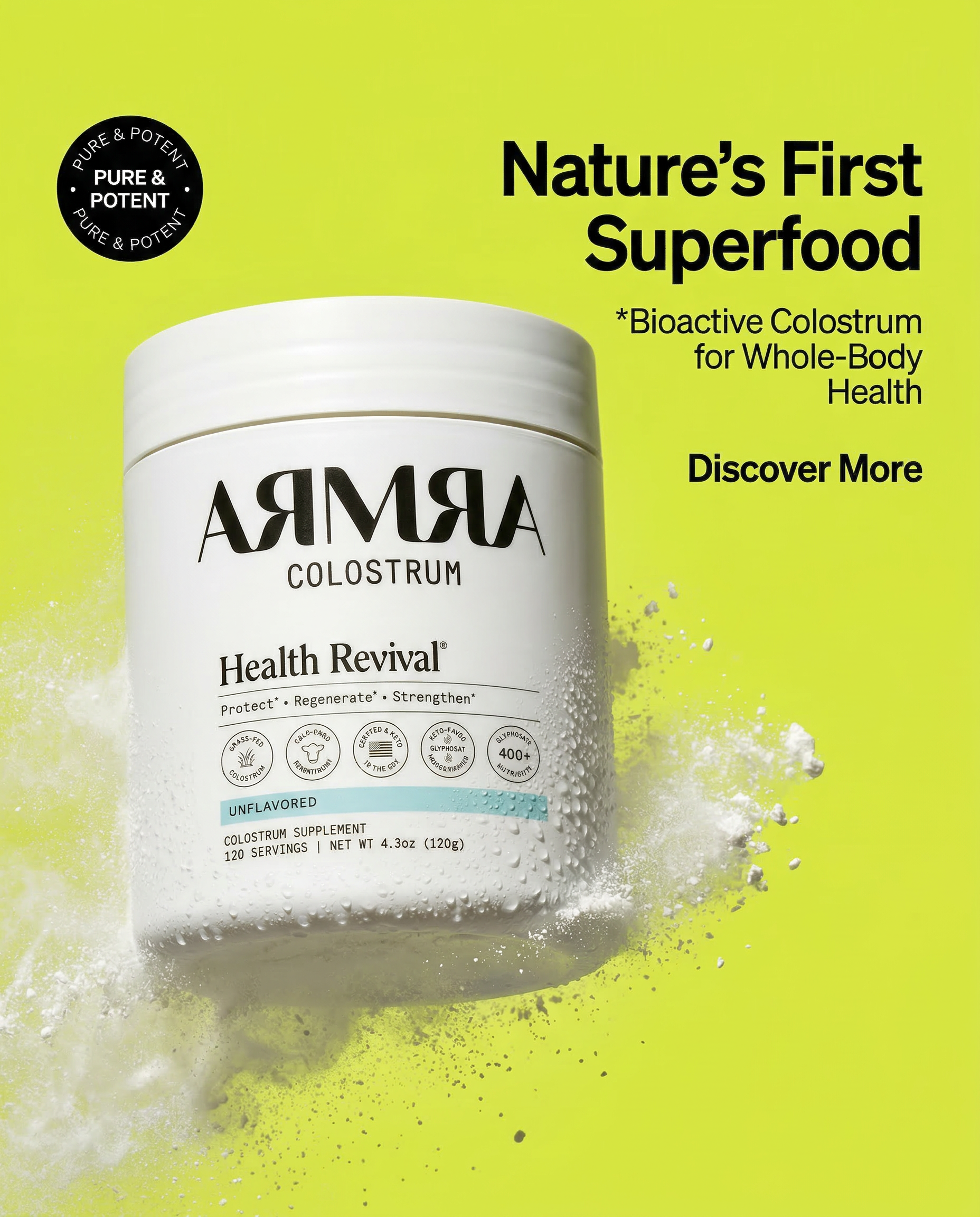
One ingredient, its source and its dose, shown large. Colostrum, creatine monohydrate, magnesium glycinate and ashwagandha all have a story that sits upstream of any health claim: where it comes from, how much is in a serving, how it's processed. The ad sells specificity, which is what a shopper comparing labels in another tab is checking.
2. The structure/function line
The headline is a structure/function claim the brand already carries on its label and can substantiate, set in a clean layout with the product. "Supports healthy digestion" can run. "Fixes your bloating" edges toward a symptom promise, and "heals your gut" toward a disease claim. The copy pass that turns the second into the first is quick, and it happens before layout.
3. The routine
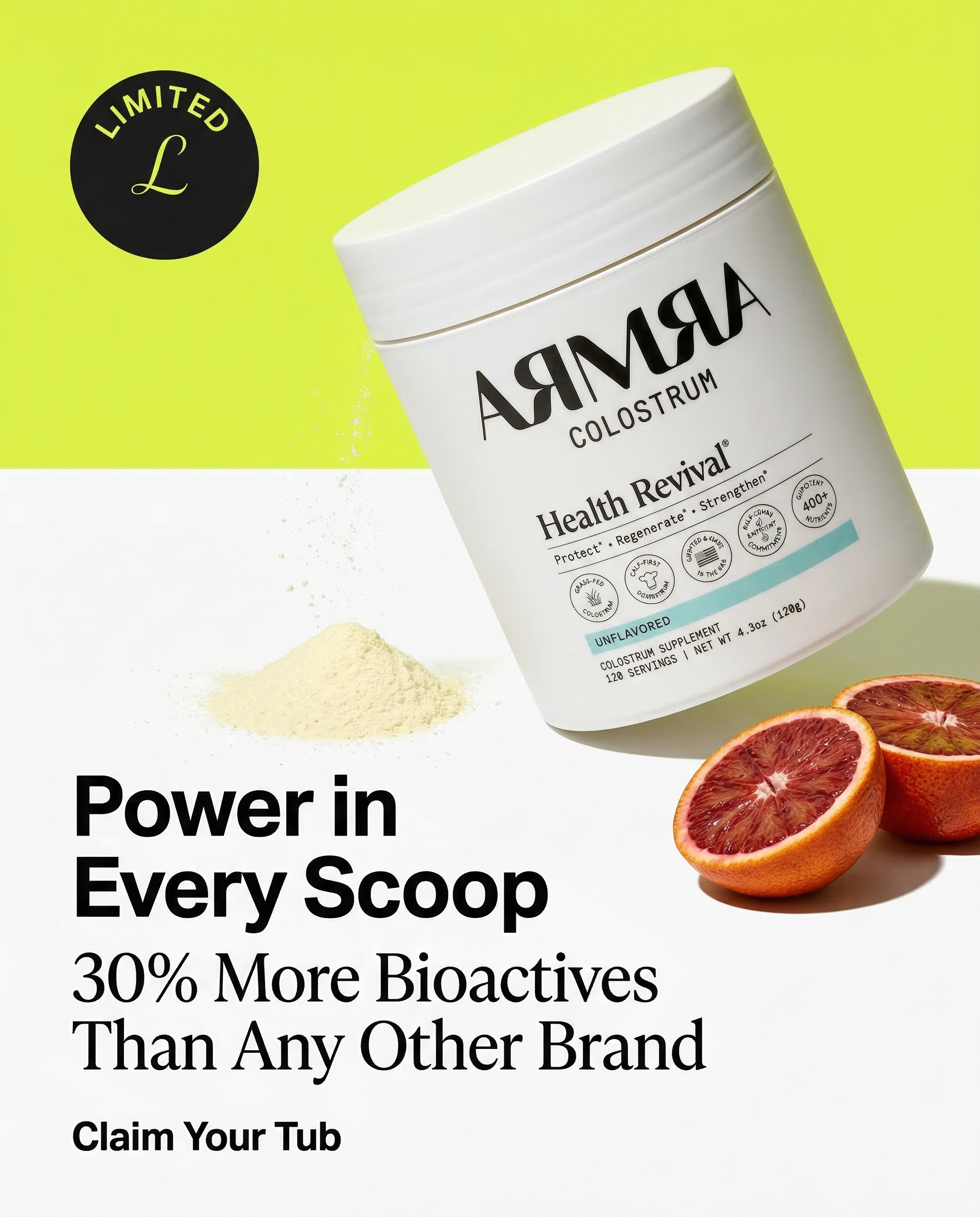
Where the product sits in someone's morning: the scoop into coffee, the capsule next to the toothbrush, the sachet in a gym bag. Routine ads show use without implying a result, and they photograph well, which makes them a strong source for AI product imagery because nothing in the frame needs to be a real before-and-after.
4. The format comparison
Powder against capsules, one daily serving against six pills, a stick pack against a tub. Comparing your own format choices is safe ground. Comparing against a named competitor's product is a different ad, and it needs the same substantiation as any other claim.
5. The formulation story
Why the formula is built the way it is: third-party testing, what's left out, why a form of an ingredient was chosen over a cheaper one. Only run the parts that are true and documented. "Third-party tested" needs a named tester the brand can point to.
6. The offer
Subscribe-and-save, a bundle, a sample size. Offer ads carry the least claim risk of the six and usually run as the retargeting layer behind the other five. They can't invent urgency; a countdown to a sale that never ends is its own FTC problem.
Which of these works for a given product is a testing question, and what makes a good static ad covers the layout side of each one. How many variations to run at a given spend is on how many ad creatives you need.

Statics first, then video
Supplement brands usually have more candidate angles than budget to test them. Statics are the cheaper way to narrow the list: six angles, a few variations each, run as statics until one holds up. The winning angle then becomes AI video, with the approved claim carried straight into the script. The claim rules don't loosen for video, and a voiceover that says "cures" is the same problem as a headline that says it. Static vs video ads covers the tradeoff in more detail, and static ads for Meta covers sizes and safe zones. If your gummies or powders ship as a monthly subscription box, subscription box product photography covers how to advertise next month's box without spoiling it for current subscribers.
Supplement creative agency, or a full-service CPG agency?
An earlier version of this page described 100 Creatives as a full-stack supplement agency handling out-of-home, retail point-of-sale and brand campaigns under a monthly retainer. That was wrong, and it has been rewritten. 100 Creatives makes paid-social and search ad creative and the imagery behind it, quoted per engagement.
Supplement brands moving into retail need things an ad studio doesn't make: shelf talkers, end caps, distributor and buyer decks, packaging changes for a retailer's requirements. A full-service CPG agency, or a packaging studio plus a retail specialist, is the right hire for that work. Brands selling mainly online through Meta, TikTok and Google, with packaging settled, are the ones an ad creative partner fits. Our CPG creative agency page covers the wider category.
How an engagement works
It starts with a brand intake: visual language, model preferences, colorways, export specs, and for supplements, the ingredient story and the list of claims your label and legal review already support. That list is the boundary for the copy. 100 Creatives writes to it and to the public rules above. It doesn't substantiate new claims or replace your own regulatory review.
From there you get a written quote with a fixed total before any work starts, in one of four ranges: $4,000 to $10,000, $10,000 to $25,000, $25,000 to $50,000 or $50,000+. Product photography projects start at $5,000. Nothing is charged until you approve the quote in writing, quotes are valid for 30 days, and projects are invoiced in advance. Creative batches come back in 48 hours, and so do revisions. The full comparison with other pricing models is on ad creative agency pricing.
Which should you buy?
DTC supplement brand past launch
Label and brand are settled, paid social is the main channel, and you need statics and video written inside structure/function rules from $4,000 per engagement.
New or aggressive claim
You want to say something your label doesn't already support. Substantiation comes first, and it isn't a creative job.
Retail rollout
You need packaging, shelf materials, buyer decks or out-of-home for a store launch. That sits outside what a paid-social creative partner ships.
Low, occasional volume
Two or three ads a month, and you're comfortable writing the claims yourself. See agency vs freelancer.