
Apparel · buyer-facing asset matrix

Apparel wholesale photography that gets the buyer to write the order.

Apparel wholesale photography is the buyer-facing imagery a fashion label produces to win the retail order — the linesheet still that shows the garment accurately enough for a buyer to write an open-to-buy against it, the lookbook frame that places the piece inside the brand world, and the on-model hero that sets the price point in the buyer's head before she sees a cost sheet. It is the imagery that does its work inside a NuORDER or Joor catalog, a wholesale deck and a market appointment — not on the dot-com product page. The buyer is committing five and six figures of open-to-buy months before the season ships, with no consumer demand signal yet, only the imagery and the linesheet in front of her. For apparel labels at the three to thirty million revenue band — Reformation, DÔEN, Mara Hoffman, Buck Mason, Todd Snyder, Aimé Leon Dore, Vuori, Ulla Johnson, Frankie Shop — the wholesale imagery is the surface on which the retail buy is either won or quietly lost.

By Abhi Chawla, founder · Last updated: 2026-06-19

Buyer-facing reference

The three-layer asset matrix a buyer evaluates — produced as apparel wholesale photography.

The line is finished and the buyer appointment is in nine days.

It is the Monday nine days before the New York wholesale appointments. The line is finished — seventy-two SKUs across three colourways, the samples are back from the factory, the linesheet is built in NuORDER with the costs and MOQs locked. Everything is ready except the one thing the buyer actually looks at first: the imagery. The founder has a studio quote at fifty-eight thousand for two model days and a three-week retouch pass, and the appointments are in nine. So she does what most founders at this band do — shoots flat-lays on a folding table against a bedsheet, drops them into the linesheet, and tells herself the buyer cares about the margin, not the photo.

The buyer cares about both, in the same glance. A wholesale buyer at a multi-brand boutique or a department-store floor is reading thirty to sixty brands a season. She opens the catalog, scans the imagery, and decides in under four seconds whether this is a brand her floor wants to carry — before she reads a single cost. The bedsheet flat-lay does not read as a brand. It reads as a brand that ran out of time, which a buyer correctly translates as a brand that will run out of time on the reorder, the colourway swap and the EDI ship window too. The image is a proxy for operational trust.

This is the gap apparel wholesale photography is built to close. The buy is a margin bet made against an image, months before any consumer demand exists to validate it. The imagery is the only evidence the buyer has that the navy will arrive as navy, that the silhouette in the linesheet is the silhouette that ships, and that the brand world the floor merchandises against is real. Get the imagery wrong and the buyer either passes or writes a smaller, hedged order. Get it right and she writes the open-to-buy she came to write.

Why the flat-lay, the borrowed e-comm frame and the rushed studio day all cost the order.

The first shortcut is the flat-lay against the bedsheet, or its slightly better cousin, the iPhone-on-a-rail shot in the studio's afternoon light. The frames exist. The colour does not hold — afternoon window light at five-thousand-five-hundred Kelvin renders the same garment a different hue on every SKU, and a buyer flipping a linesheet where the colour drifts SKU to SKU cannot trust any of it. She marks the brand as a delivery risk and hedges the order down. The flat-lay saved a shoot and lost the margin on the buy it was protecting.

The second shortcut is borrowing the e-commerce PDP frames the brand already has. They are clean, colour-managed, shot on white — and they do exactly the wrong job. The PDP frame is built to reduce a consumer's return rate one click from purchase. It carries no brand world, no price-setting register, no lookbook context. A buyer scanning a catalog of pure white packshots reads a private-label supplier, not a brand with a floor presence. The imagery that converts a consumer is not the imagery that underwrites a wholesale buy; using one for the other quietly tells the buyer the brand does not know the difference.

The third shortcut is the rushed studio day — booking the photographer, the model and the studio for a compressed session a week before market, then discovering the retouch pass to bring sixty SKUs to consistent colour and crop is itself a two-to-three-week job that does not exist in the schedule. The frames are good; they land four days after the appointment. The brand walks into market with the bedsheet flat-lays anyway. The studio day was not the bottleneck. The retouch-to-consistent-linesheet was, and almost no one budgets for it.

All three failure modes share one root cause: none are produced against the brand-spine document, on a calendar indexed to the market deadline. The fix is not a bigger budget or a faster retoucher. It is treating apparel wholesale photography as a production discipline — three asset layers, one colour register, one brand world — shipped on a cadence that lands before the buyer opens the catalog, not after.

The three asset layers that compose buyer-ready wholesale imagery.

The wholesale asset matrix is three layers, each answering a different question in the buyer's head, all composed against the same brand-spine document the campaign hero and the dot-com are built on. We lock the three layers in week one of any season and ship them as one coherent set, not three disconnected shoots. The buyer never sees the seams because there are none — the linesheet still, the lookbook frame and the hero all run on the same colour register, light direction and model identity.

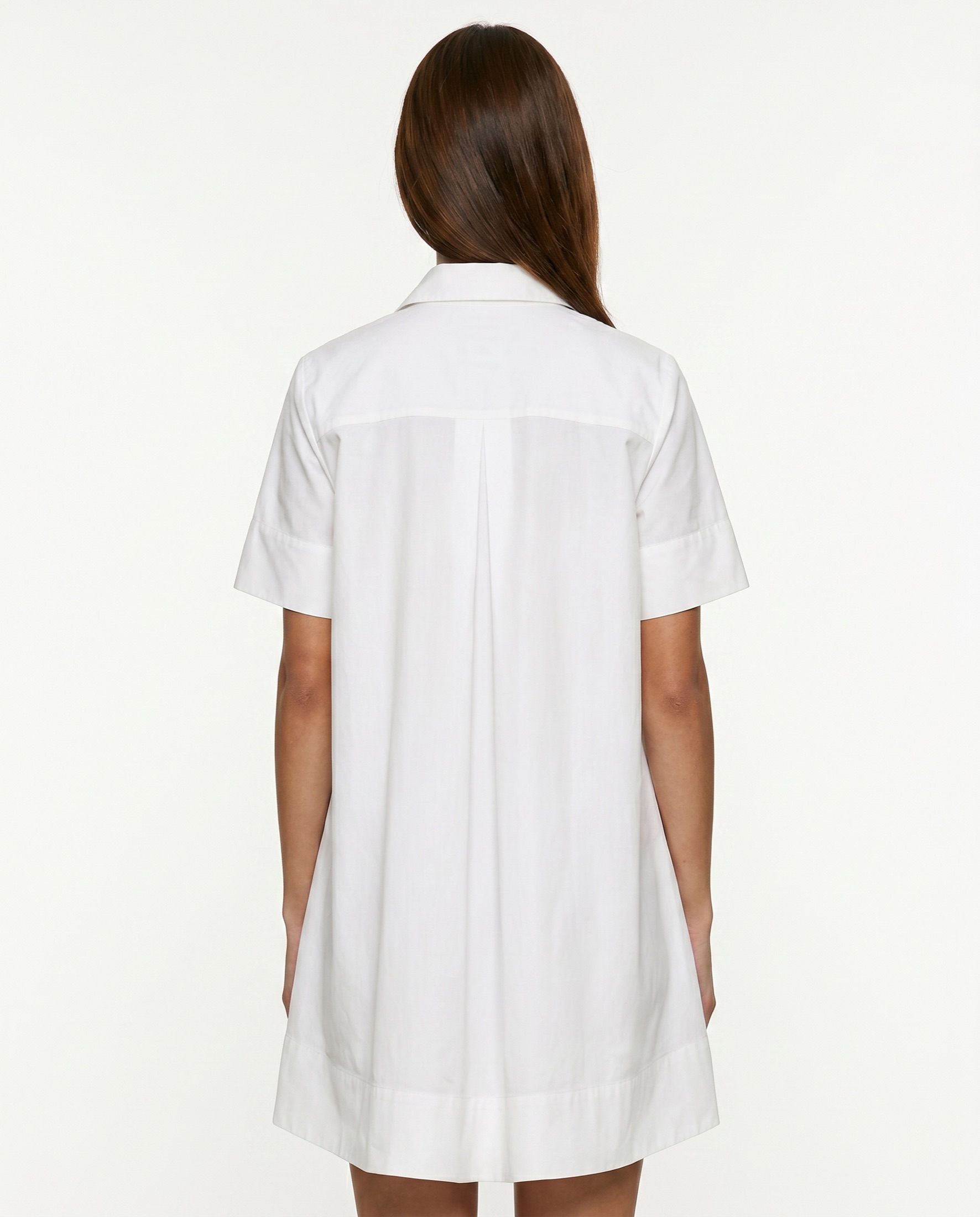
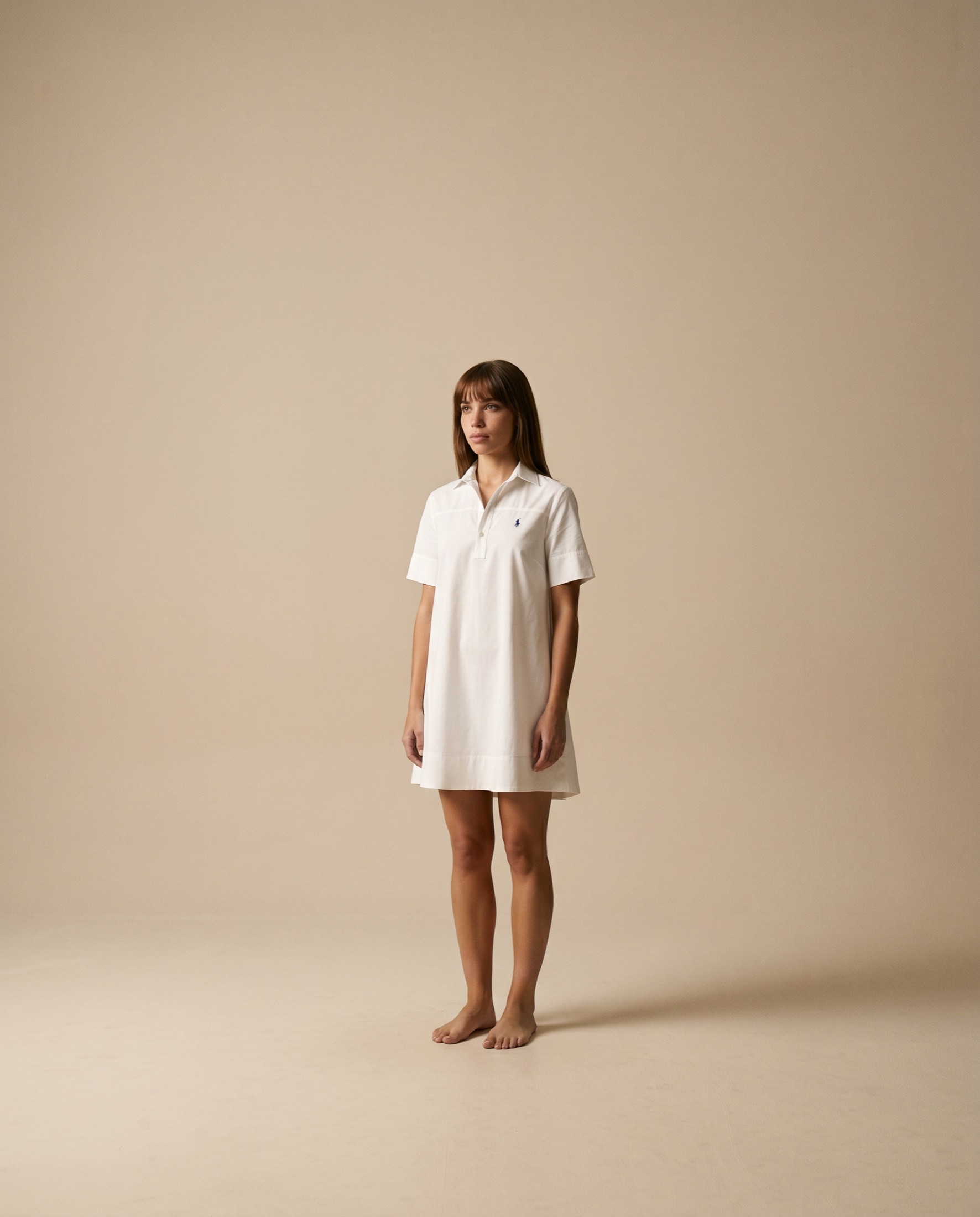
The first layer is the linesheet still. This is the working image — the one that lives next to the cost and MOQ in NuORDER, Joor or the PDF linesheet, the one the buyer writes the open-to-buy against. It answers can I trust the colour, the silhouette and the construction. The discipline here is ruthless consistency: identical crop and camera height across every SKU, garment-accurate colour at under three Delta E drift from the Pantone reference, front and back where construction matters, on a clean neutral that does not compete. A buyer can scan eighty linesheet stills in two minutes only if all eighty share one grid.

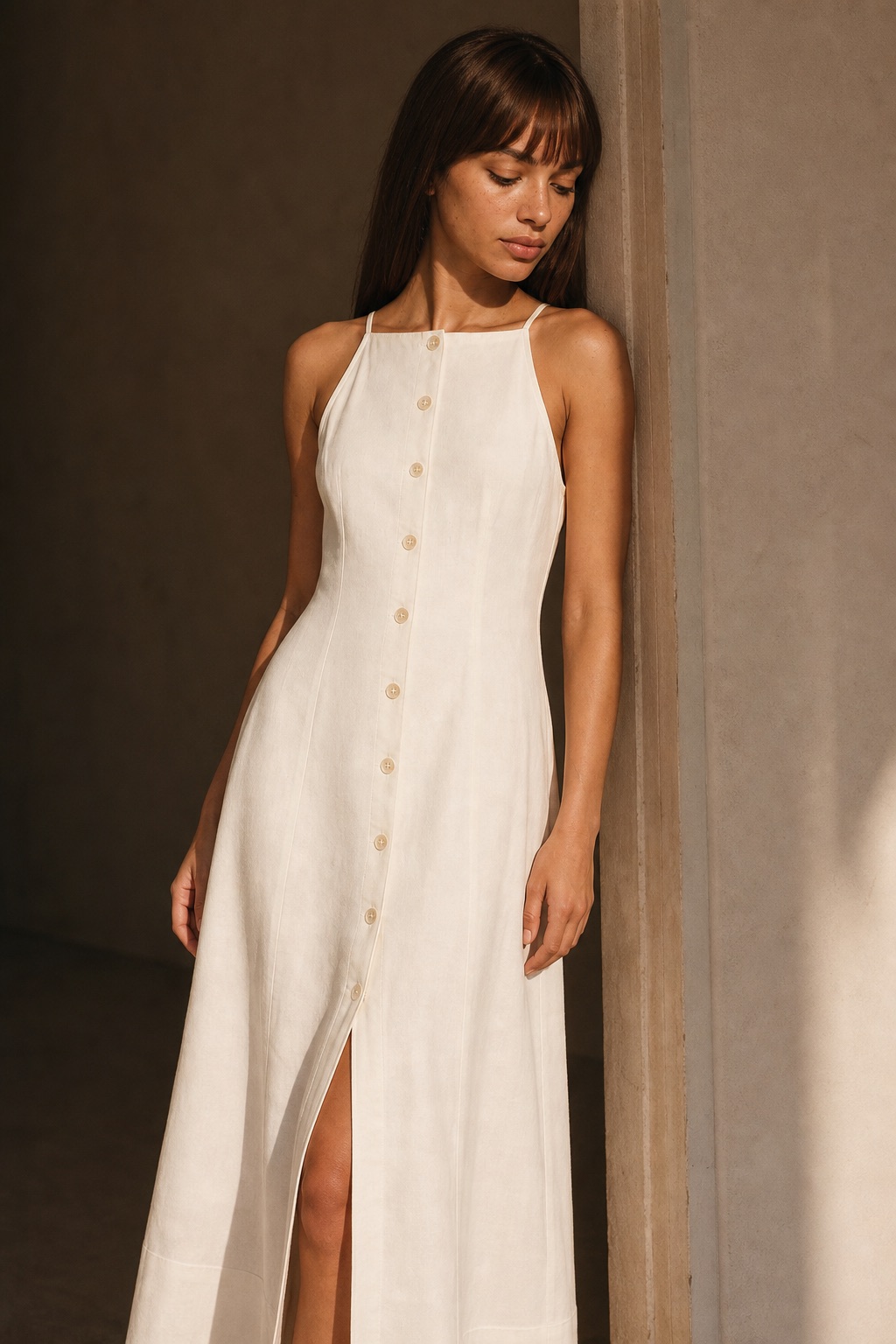
The second layer is the lookbook frame. This places the piece on-figure inside the named environment and light the brand world is built on — the model in the ivory linen against the warm plaster column, the pinstripe dress against the terracotta wall. It answers does this fit a brand my floor wants to carry. The lookbook frame is where the wholesale buy stops being a spreadsheet exercise and starts being a brand decision. It is the layer that separates a brand a boutique is proud to hang from a line it carries on price alone.

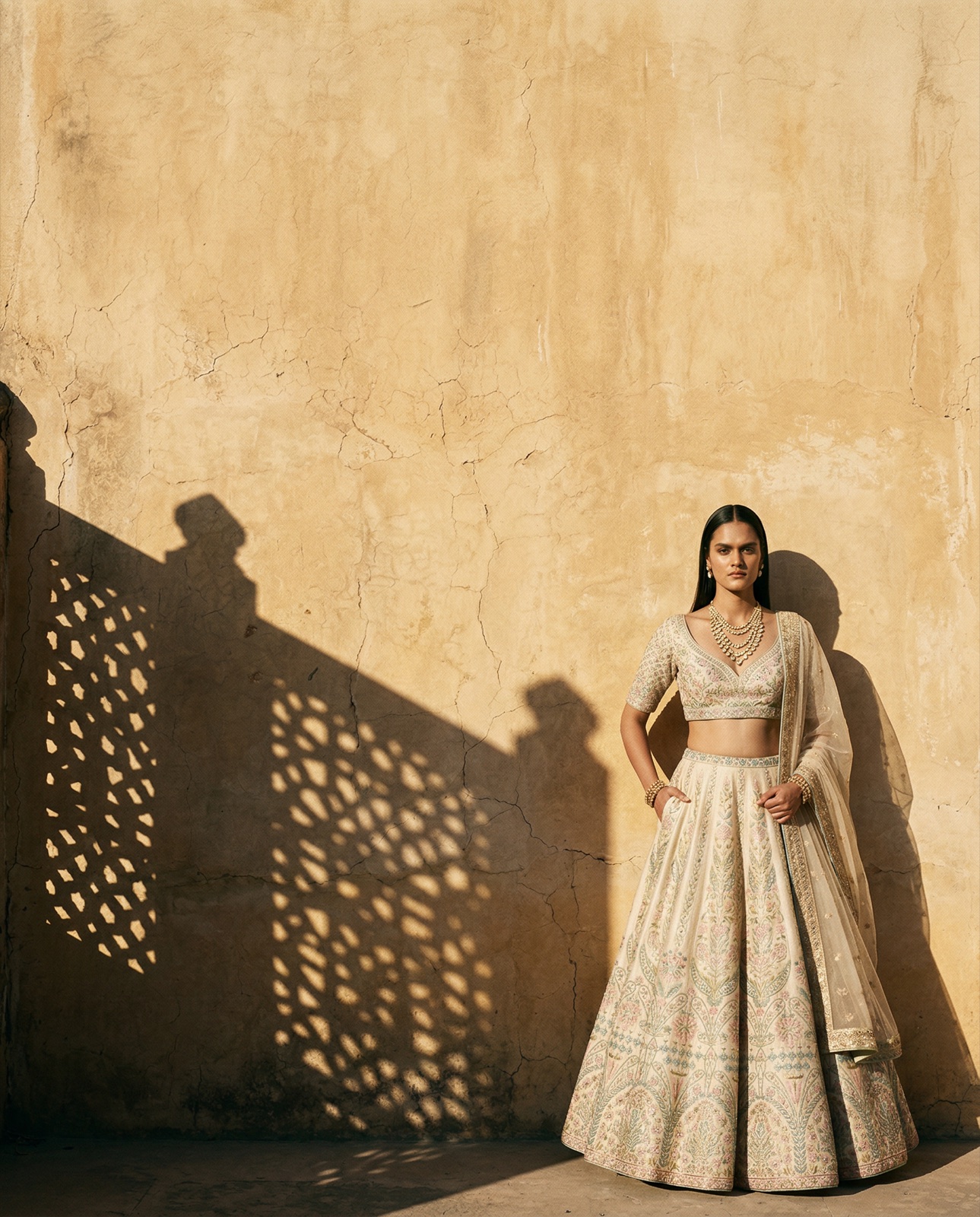
The third layer is the on-model hero — the single price-setting frame per key style. It answers what price point does this command. The hero is the frame the buyer half-remembers walking out of the appointment, the one that lets her picture the piece at full retail on her own floor. The same three-layer discipline drives the detailed wholesale lookbook and linesheet imagery service at the per-SKU level; this page is the broader commercial answer to apparel wholesale photography that frames why the matrix exists. The difference between the linesheet still and the lookbook frame is the same difference the lookbook versus product photography breakdown draws out in full.

01

Lock colour to under three Delta E

The buyer commits budget against the image, not the garment. If the linesheet navy arrives as midnight, the brand gets marked down for three seasons of appointments. Colour locked to the Pantone reference in sRGB at under three Delta E drift across the whole line is the single highest-leverage line in wholesale imagery.

02

One grid across every linesheet still

A buyer scans eighty SKUs in two minutes only if all eighty share one crop, one camera height and one neutral. Inconsistent stills read as a brand that cannot hold a standard — and a brand that cannot hold a standard cannot hold a ship date. The grid is the trust signal.

03

Compose against the brand spine, not a prompt

Every frame — linesheet, lookbook, hero — runs on the same colour register, light direction, model identity and negative-space ratio as the campaign hero and the dot-com. The buyer flipping from deck to Instagram to floor sees one brand. The prompt-first generic frame produces a garment; the spine-first frame produces the brand.

04

Three layers, not one

The linesheet still answers trust. The lookbook frame answers brand fit. The hero answers price point. A wholesale deck that wins gives the buyer all three without making her hunt. A deck with only the packshot reads as a private-label supplier, not a brand with a floor presence.

05

Ship before the catalog opens, not after

The bottleneck is never the shoot day — it is the retouch-to-consistent-linesheet pass nobody budgets. Index the production back from the market deadline and the NuORDER go-live so the imagery lands before the buyer opens the catalog, not four days after the appointment.

06

Build colourway swaps in, not as a re-shoot

A buyer asks for the same style in the season's new colourway mid-appointment. On the studio model that is a same-week frame composed against the locked spine, not a fresh model and studio day-rate. The asset matrix flexes with the buy instead of capping it.

The three wholesale-imagery paths most apparel brands have already tried.

Tier 1

The flat-lay and the borrowed PDP frame

Near-zero cash and near-total brand cost. Flat-lays against a bedsheet or e-commerce packshots borrowed into the linesheet. Colour drifts SKU to SKU, no brand world, no price-setting register. The buyer reads a delivery risk and a private-label supplier in the same glance and hedges the order down. Saves the shoot, loses the margin on the buy it was protecting. The math only works for a brand that does not actually want a real wholesale book.

Tier 2

The rushed traditional studio shoot

Forty to one-hundred-ten thousand all-in for a sixty-to-ninety-SKU season — studio, photographer, two to three model day-rates, stylist, glam, set, assistants, plus the two-to-three-week retouch pass that eats the schedule. Quality is excellent when it lands on time. It frequently does not: the consistent-linesheet retouch is the hidden bottleneck, and a mid-appointment colourway request means a new model and studio day. Strong imagery, fragile timeline, capped flexibility.

100 Creatives

The brand-world studio matrix (us)

Eight to twenty-four thousand for the full season's asset matrix — linesheet stills, lookbook frames and hero — composed against the brand-spine document, colour-locked to under three Delta E, shipped on a two-week sprint indexed to the market deadline in buyer-ready catalog crops. Mid-appointment colourway swaps ship same-week against the locked spine. The deck reads as one brand from linesheet to hero. The buyer writes the open-to-buy she came to write.

From one season's samples to every buyer-facing surface.

The wholesale buy is not the end of the imagery's job — it is the start. The same season shot once against the brand spine feeds the linesheet, the lookbook, the deck hero, the buyer-appointment leave-behind and the wholesale partner's brand page. Click a stage to see what each layer does and where it lands.

Linesheet still — the trust layer

The working image beside the cost and MOQ in NuORDER, Joor or the PDF linesheet. Identical crop and camera height across every SKU, garment-accurate colour at under three Delta E, front and back where construction matters. This is the frame the buyer writes the open-to-buy against. Get the grid right and she can scan eighty SKUs in two minutes; get it wrong and she trusts none of them.

The math

What a wholesale season costs against the traditional studio day.

72 SKUs
2 colourways
Traditional studio
$0
100 Creatives
$0
You save
$0
per season, full asset matrix

The math against the wholesale buy it protects.

A traditional wholesale shoot for a sixty-to-ninety-SKU season runs forty to one-hundred-ten thousand all-in — studio rental, photographer, two to three model day-rates, stylist, glam, set construction, assistants and the retouch pass that brings the line to consistent colour and crop. The retouch is the line that surprises every founder: bringing sixty SKUs to one grid is itself a two-to-three-week job, and it is the reason the imagery so often lands after the appointment rather than before it. The cash is one cost; the timeline risk is the one that actually loses the order.

The brand-world studio matrix closes both. The full season's asset matrix — linesheet stills, lookbook frames and hero, all composed against the brand-spine document and delivered in buyer-ready catalog crops — ships at eight to twenty-four thousand on a two-week sprint indexed to the market deadline. On the per-frame economics the studio operates against, the linesheet still lands at a fraction of the traditional model's four-hundred-to-twelve-hundred-dollar all-in frame cost, and the colourway swap a buyer requests mid-appointment ships the same week against the locked spine rather than as a fresh model and studio day. The matrix flexes with the buy instead of capping it.

The number that matters most is not on the imagery invoice — it is on the buy the imagery protects. A single buyer at a mid-tier boutique writes a fifteen-to-sixty-thousand-dollar open-to-buy per season; a department-store floor or a NuORDER catalog reaching forty buyers compounds that into a six-or-seven-figure wholesale book. A wholesale deck that reads as a real brand pulls a larger, less-hedged order from every buyer who opens it. The imagery line is small. The buy it underwrites is the brand's revenue. The case for treating apparel wholesale photography as a production discipline is the spread between the two.

Inside the broader apparel brand-world practice.

Apparel wholesale photography is one surface of a broader apparel brand-world practice. The imagery feeds the fashion wholesale deck — the structured argument of story, lookbook, linesheet and pricing the buyer opens before a market appointment — and the granular per-SKU detail work lives in the detailed wholesale lookbook and linesheet imagery service. This page is the broader commercial answer to why the asset matrix exists; that service is where the linesheet grid and on-figure detail discipline run at the SKU level. The two are deliberately distinct: the deck and the linesheet service are the containers, this is the case for the imagery that fills them.

Upstream, the wholesale matrix is composed against the same brand spine the campaign and the dot-com are built on — which is why a brand should brief it inside a full creative practice rather than as a one-off shoot. The apparel creative agency model is the full-funnel partner that runs identity, campaign, lookbook and wholesale imagery off one spine, so the deck the buyer opens and the feed the consumer scrolls read as one brand. For the founder deciding how much to shoot for the floor versus the dot-com, the lookbook versus product photography decision framework draws the line between the brand-fit frame and the conversion frame.

For the founder nine days from a market appointment with seventy-two SKUs and a fifty-eight-thousand-dollar studio quote she cannot make land in time, apparel wholesale photography is the line that closes the gap. Not a bigger studio budget. Not a faster retoucher bolted onto the same broken timeline. It is the three-layer asset matrix — linesheet, lookbook, hero — composed against the brand spine, colour-locked, and shipped before the catalog opens. The buy is a margin bet made against an image. The imagery is how the brand wins the bet.

Apparel wholesale photography · frequent questions

What is apparel wholesale photography?

Apparel wholesale photography is the buyer-facing imagery a fashion label produces to win the retail order — the linesheet still that shows the garment accurately enough for a buyer to write an open-to-buy against it, the lookbook frame that places the piece inside the brand world, and the on-model hero that sets the price point in the buyer's head before she sees a cost sheet. It is the imagery that does its work inside a NuORDER or Joor catalog, a wholesale deck, and a market appointment — not on the dot-com PDP. The buyer is evaluating margin, sell-through and brand fit in the same glance, and the imagery has to answer all three.

How is wholesale photography different from e-commerce or PDP photography?

PDP photography exists to convert a consumer who is one click from buying — clean white background, every angle, zoom-accurate fabric. Wholesale photography exists to convince a buyer placing a five-figure order months before the season ships, with no consumer demand signal yet, only the imagery and the linesheet. The job-to-be-done is different: the PDP frame reduces return rate, the wholesale frame underwrites a margin bet. That is why the wholesale asset matrix needs three layers — garment-accurate linesheet stills, brand-world lookbook frames and a price-setting hero — where the PDP only needs the first.

What imagery does a wholesale buyer actually evaluate?

Three things, in three layers. The linesheet still answers can I trust the colour, the silhouette and the construction — flat-accurate, consistent crop, true colour at under three Delta E so the buyer is not surprised at delivery. The lookbook frame answers does this fit a brand my floor wants to carry — the piece on-figure inside the named environment and light the brand world is built on. The on-model hero answers what price point does this command — the single frame that lets the buyer picture the piece at full retail. A wholesale deck that wins gives the buyer all three without making her hunt.

Why does colour accuracy matter so much in wholesale imagery?

Because the buyer is committing budget against the image, not the garment. If the linesheet shows a navy that arrives as midnight, the buyer marks the brand down for the next three seasons of appointments — sometimes drops it. Returns, markdowns and reorder hesitancy all trace back to the gap between the image colour and the delivered garment. We lock colour to the brand-spine document in Pantone-referenced sRGB at under three Delta E drift across the whole linesheet, so the swatch the buyer approved is the swatch that lands on her floor. Colour discipline is the single highest-leverage line in apparel wholesale photography.

How fast can a wholesale season be shot and delivered?

A traditional wholesale shoot for a sixty-to-ninety-SKU line runs two to four studio days plus two to three weeks of post — and the bottleneck is almost always retouching the linesheet to consistent colour and crop. On the brand-world studio model, the same line ships on a two-week sprint: week one is brand-spine and line ingestion, week two composes the linesheet stills, lookbook frames and hero against the spine and lands them in the buyer-ready catalog crops. For a brand racing a market deadline — Paris, the New York appointments, a NuORDER go-live — the difference between three days late and three weeks early is the difference between catching the buy and missing the season.

What does apparel wholesale photography cost compared to a traditional studio shoot?

A traditional wholesale shoot for a sixty-to-ninety-SKU season runs roughly forty to one-hundred-ten thousand all-in — studio rental, photographer, two to three model day-rates, stylist, glam, set, assistants, and the post-production retouch pass that eats the schedule. On the studio model the same season's full asset matrix — linesheet stills, lookbook frames and hero — ships at eight to twenty-four thousand, composed against the brand spine and delivered in buyer-ready crops. The saving is not only cash. It is the model and studio day-rates you no longer carry every time a buyer asks for a new colourway frame mid-season.

Will wholesale imagery match the rest of our brand world?

Yes — that is the entire point of composing against the brand-spine document rather than against a prompt or a freelancer's house style. The linesheet, the lookbook and the hero all run on the same colour register, light direction, model identity and negative-space ratio as the campaign hero and the dot-com. The buyer flipping from your wholesale deck to your Instagram to your dot-com sees one brand. The retail floor merchandising your pieces against the imagery sees one brand. The failure mode we engineered against is the wholesale deck that looks like a different label than the campaign — the fastest way to read as a brand that has not figured itself out.

Where does apparel wholesale photography sit alongside the lookbook and the wholesale deck?

Wholesale photography is the imagery layer; the lookbook and the deck are the containers it fills. The lookbook is the seasonal artefact the buyer flips through to read the brand world. The wholesale deck is the structured argument — story, lookbook, linesheet, pricing and MOQ — that the buyer opens before a market appointment. The linesheet and on-figure stills are the granular detail layer the detailed linesheet imagery service handles. This page is the broader commercial answer to apparel wholesale photography; the linesheet-and-lookbook service is where the per-SKU detail discipline lives.

Win the next buy

Bring us the line before market. The buyer writes the order.

If you are a founder, wholesale lead or sales director at a three-to-thirty-million apparel label staring down a market appointment with a finished line and no imagery the buyer will trust — send the linesheet, the samples and the season's brand spine. The three-layer asset matrix will be composed against your spine, colour-locked to under three Delta E, and shipped in buyer-ready catalog crops before the appointment, not after. Send your brand and the line and we'll reply with a plan — abhi@paperkites.co. The buy is a margin bet made against an image. We make the image worth betting on.

Book a wholesale imagery call