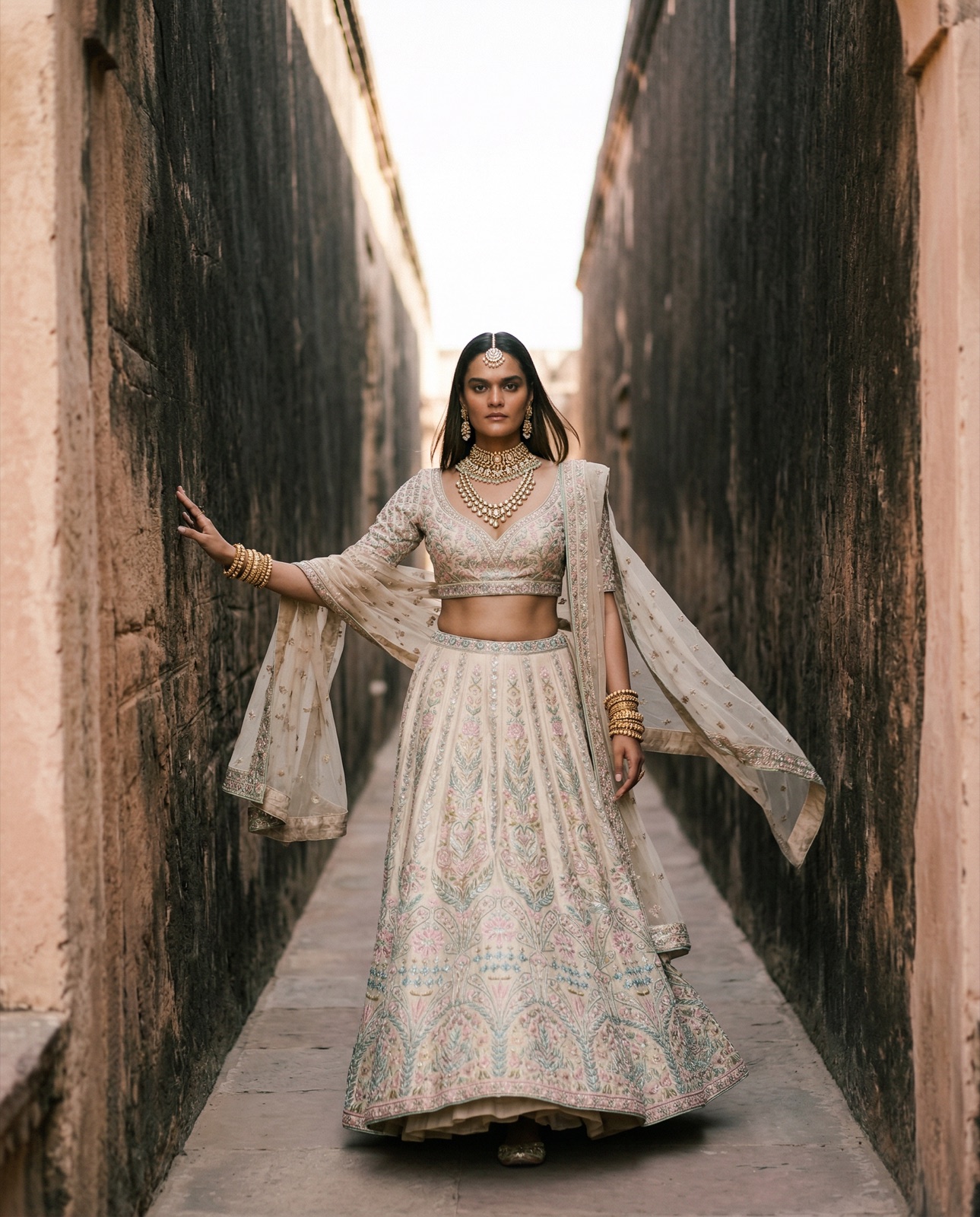


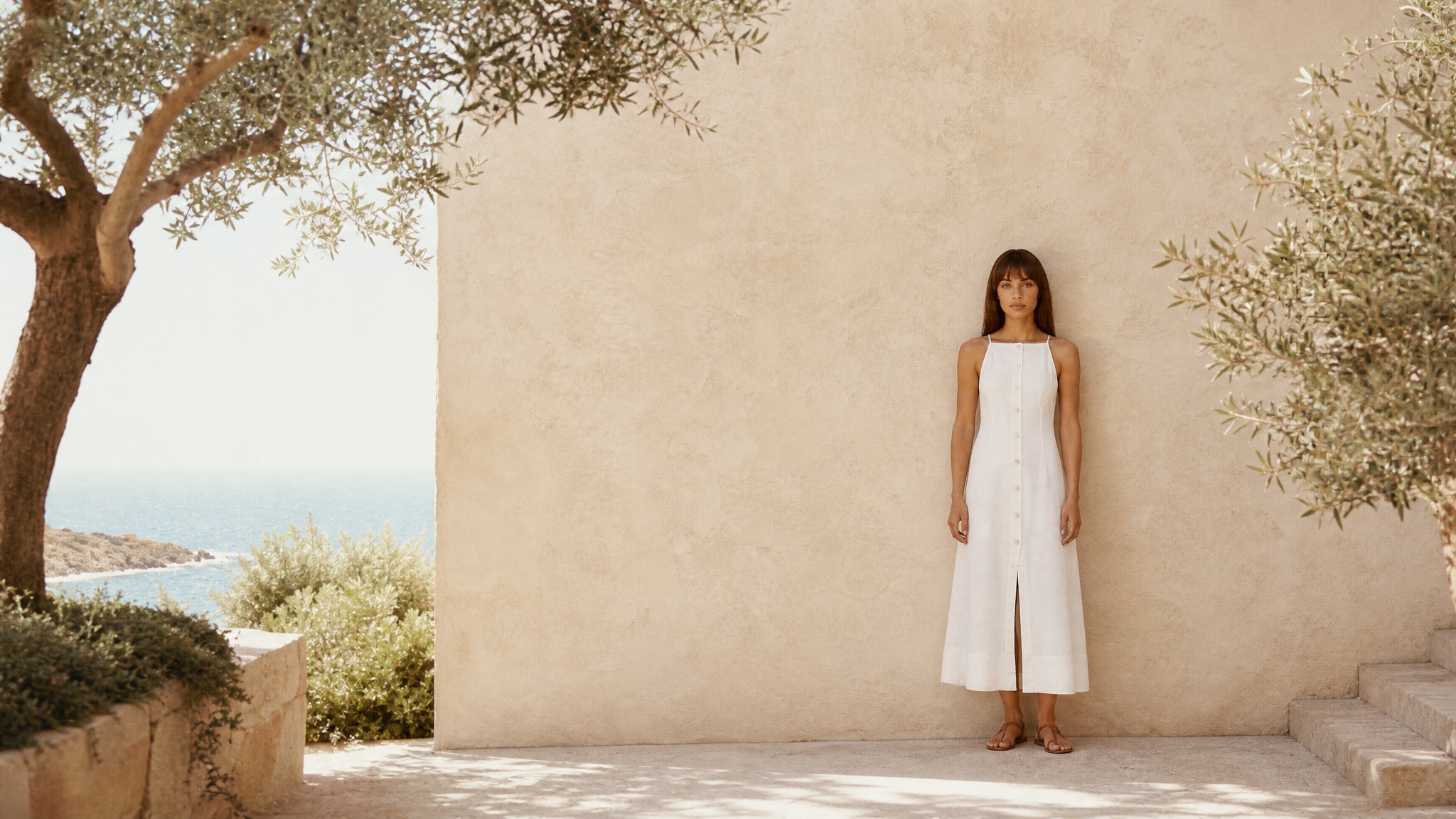

It is the Monday the season's budget locks. You are the brand director or the founder-operator, you have one production line in the spreadsheet, and your stylist has emailed asking whether the spring shoot is "campaign or editorial — or are we doing both?" You already know what each word means. That is not the problem. The problem is that the campaign photographer quotes one number, the editorial photographer quotes another, the named-talent editorial quotes a third, and your finance lead wants one figure by Friday. The decision is not academic. It decides what the brand has to sell with, what it has to say with, and whether you blow the season's photography line on a spread that wins a feature but does not move a single unit.
This is the buyer-intent version of the question. If you are still working out the definitions — intent, distribution, look, cost — start with the educational breakdown in editorial vs campaign photography, which lays out what each is and how they differ frame by frame. This page assumes you already know that and need to decide: which one does the spring drop actually need, how do you brief it, and how do you keep from paying for two productions when one will do. The answer is a decision tree, not a preference.
The trap most operators fall into is commissioning by vibe. Editorial sounds more premium, so the founder who wants the brand to read up a tier briefs an editorial — and then watches Q2 revenue come in soft because the spread looked beautiful in the press kit and converted nothing on the PDP. Or the growth lead, terrified of missing the number, commissions pure campaign coverage and the brand spends another season looking like a competent catalog with no point of view. Both are commissioning against a word instead of against the job. The job is what decides.