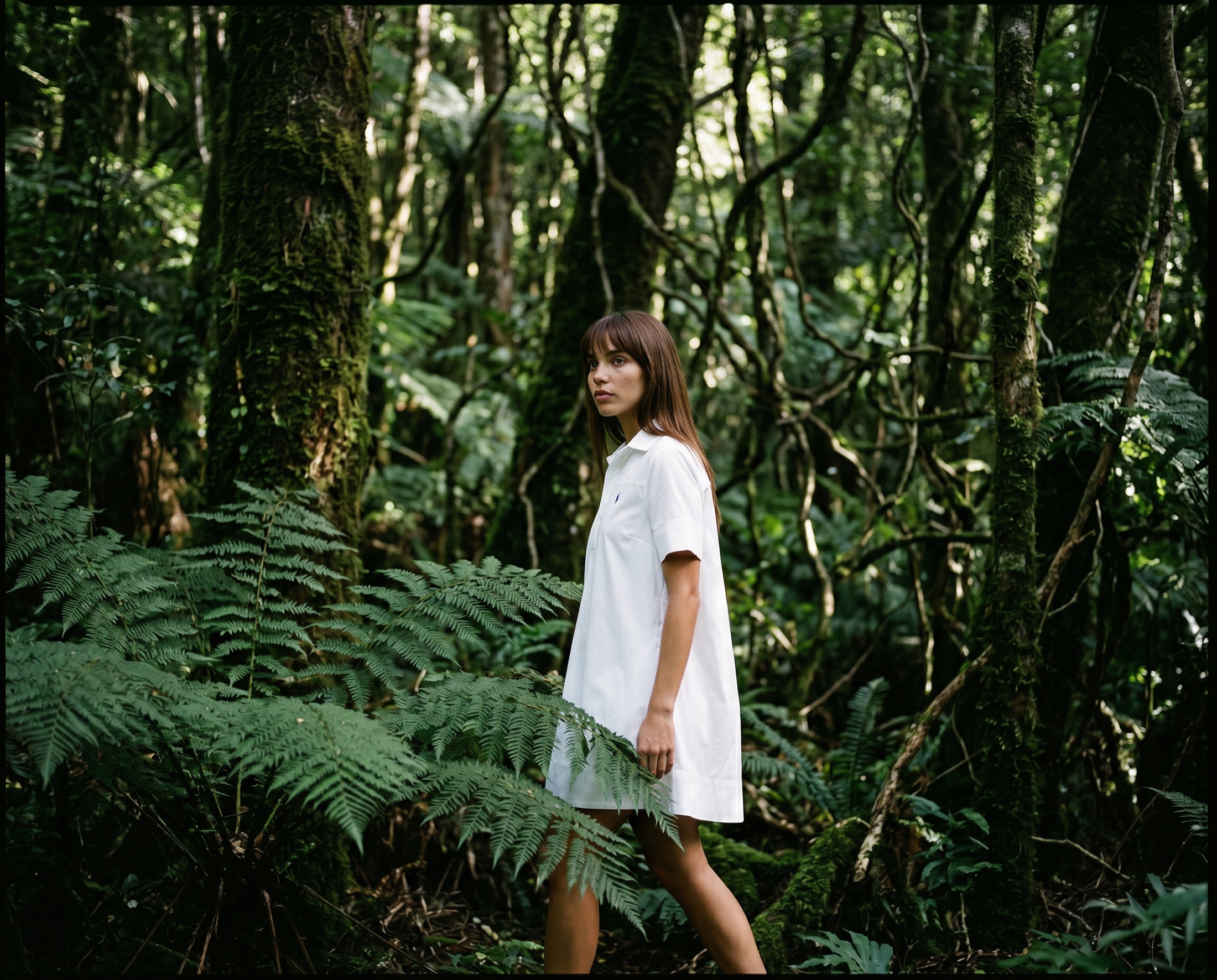
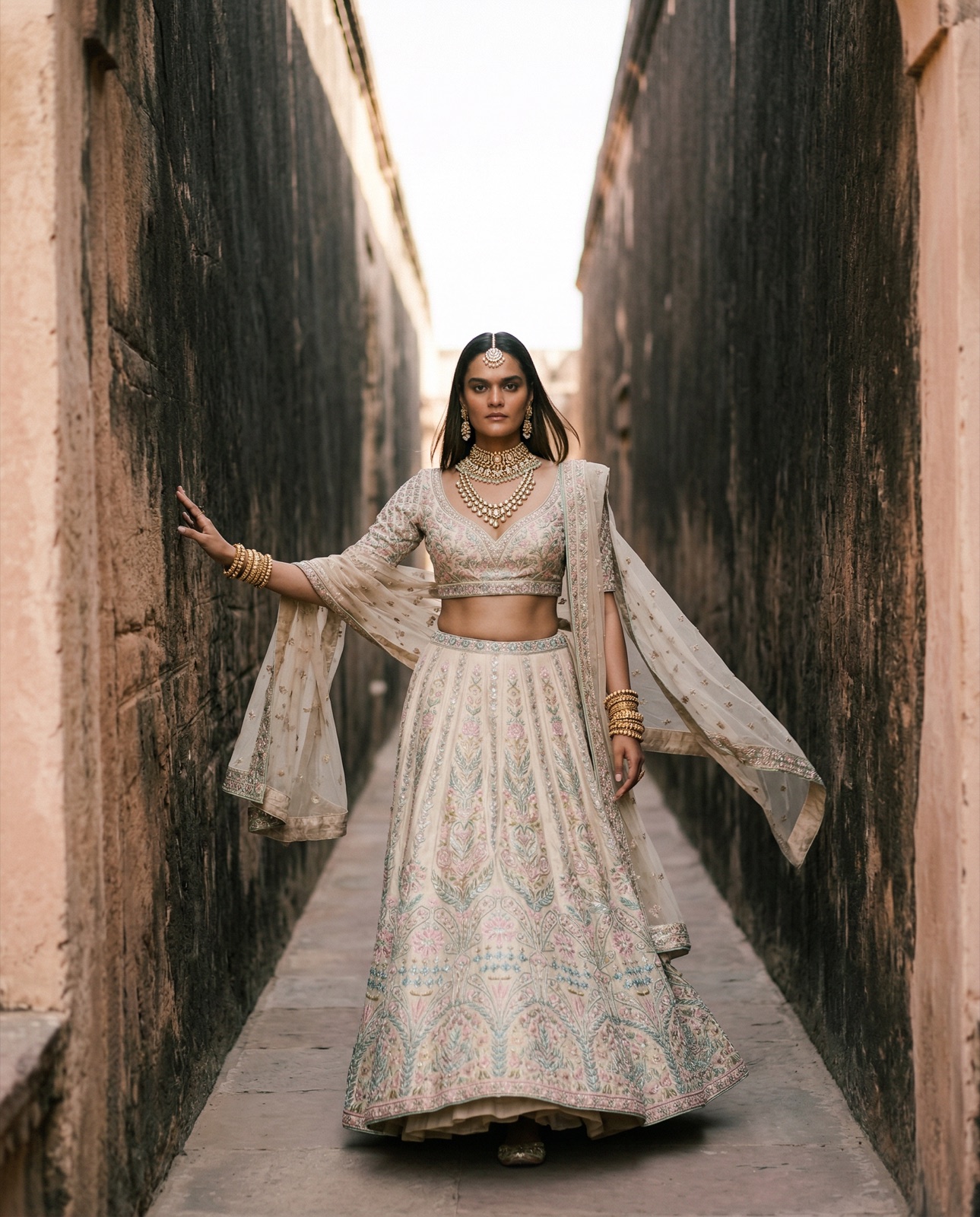
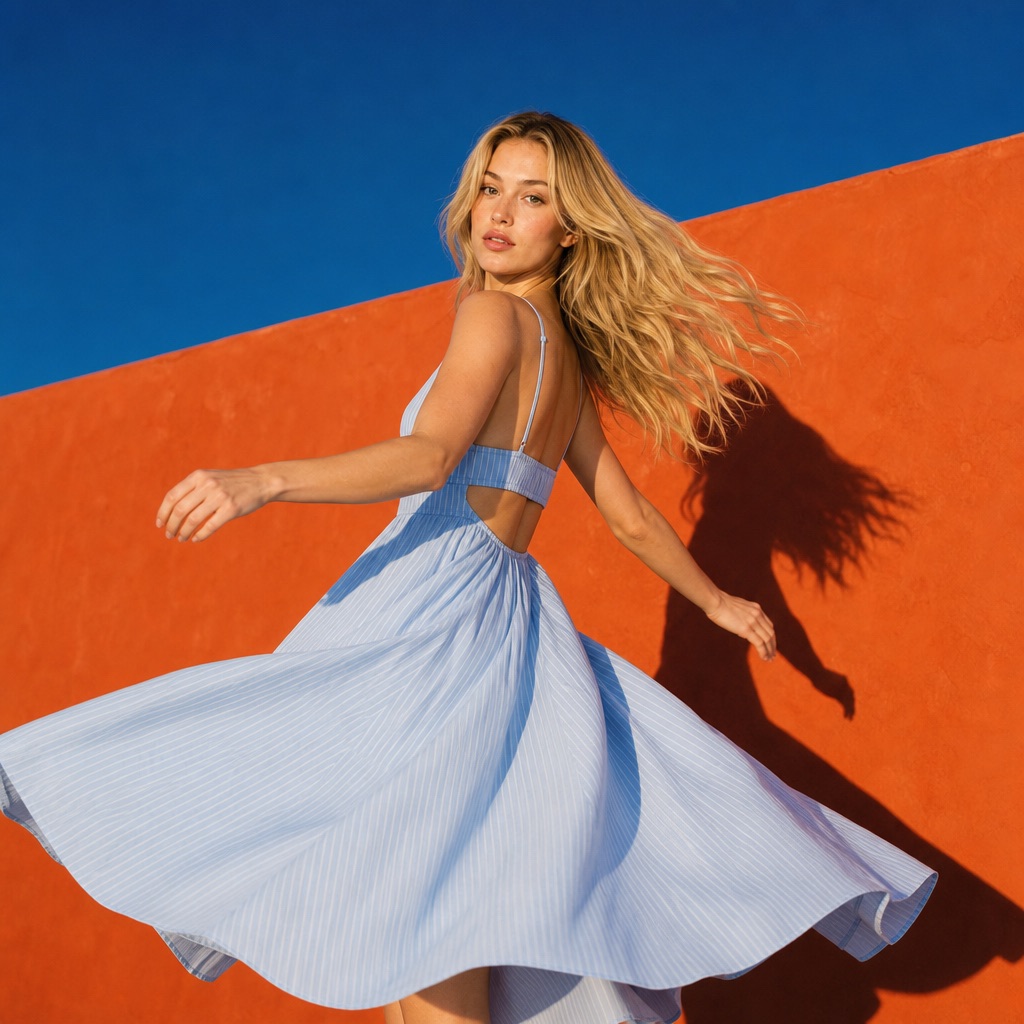
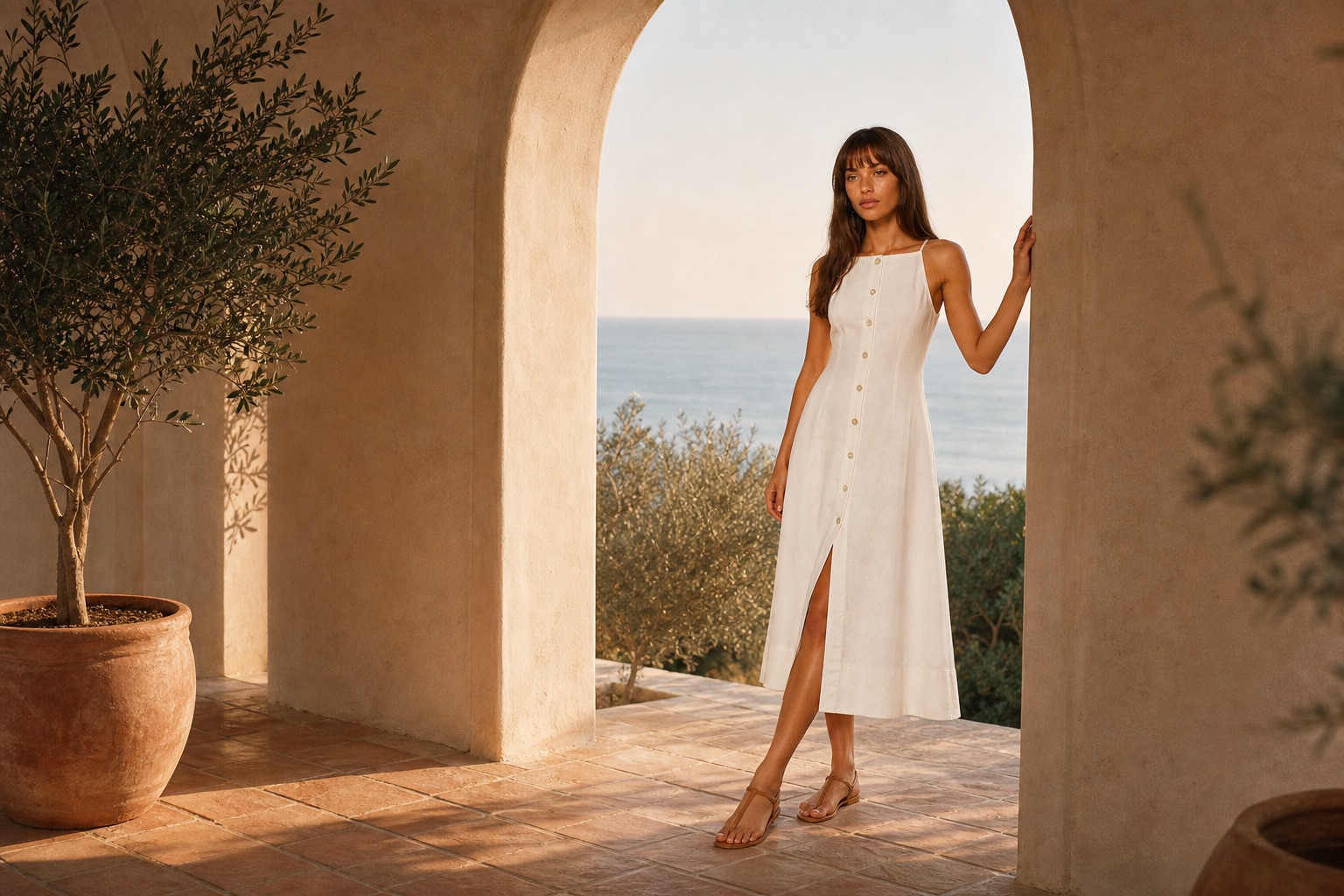
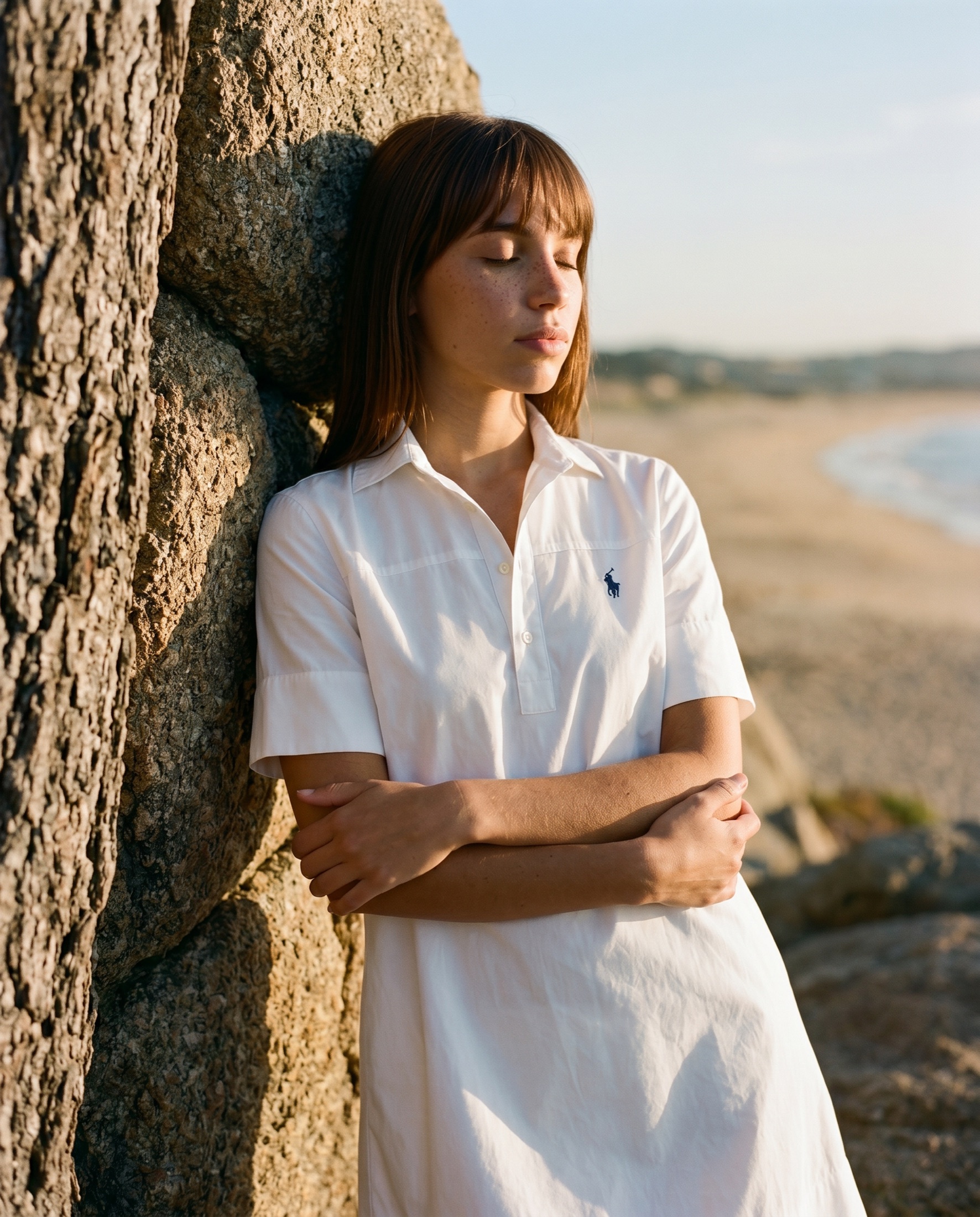
The brief lands in a single line: "let's do something editorial for the spring campaign — elevated, aspirational, but it still needs to sell the dress." The brand director is not being careless. She is using the two words the way the whole industry uses them — interchangeably, as a vague signal for "make it look expensive." The photographer reads it, the stylist reads it, and three weeks later the shoot delivers forty frames that are too moody to crop for a paid ad and too product-forward to feel like a magazine. The dress is half in shadow. The negative space is in the wrong place for the dot-com module. The frame the wholesale deck needed never got shot because everyone was chasing the mood.
This is the most expensive mistake an apparel brand makes with imagery, and it is not a taste problem. It is a definitional one. Editorial and campaign are not two flavours of the same thing — they are two different jobs with two different success metrics. Campaign photography succeeds when the customer buys the garment. Editorial photography succeeds when the customer remembers the brand. You can shoot a frame that does both, but only if you brief them as two registers of one production rather than as one undifferentiated mood. The brand director who conflates them does not get the best of both. She gets a frame that lands in the dead centre between two jobs and does neither.
The fix starts before the camera: separate the two in the brief, name what each frame is for, and then decide the ratio the season actually needs. A brand still establishing its point of view leans editorial. A brand shipping a hero garment against a hard launch date leans campaign. Most brands need both, sequenced and budgeted on purpose. The rest of this page settles the difference; the buyer-intent question of which to commission this season, and how to split a real budget across the two, is the job of the sister page on campaign photography vs editorial.