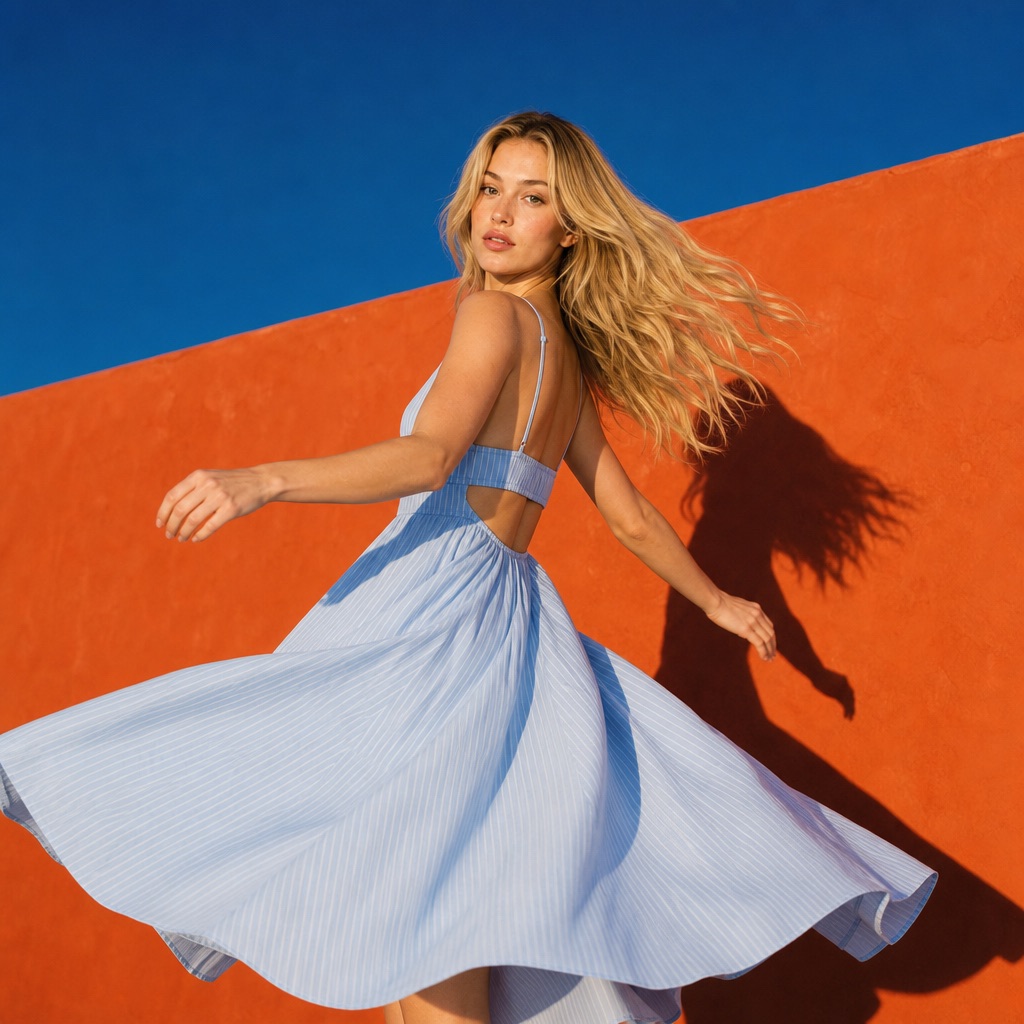
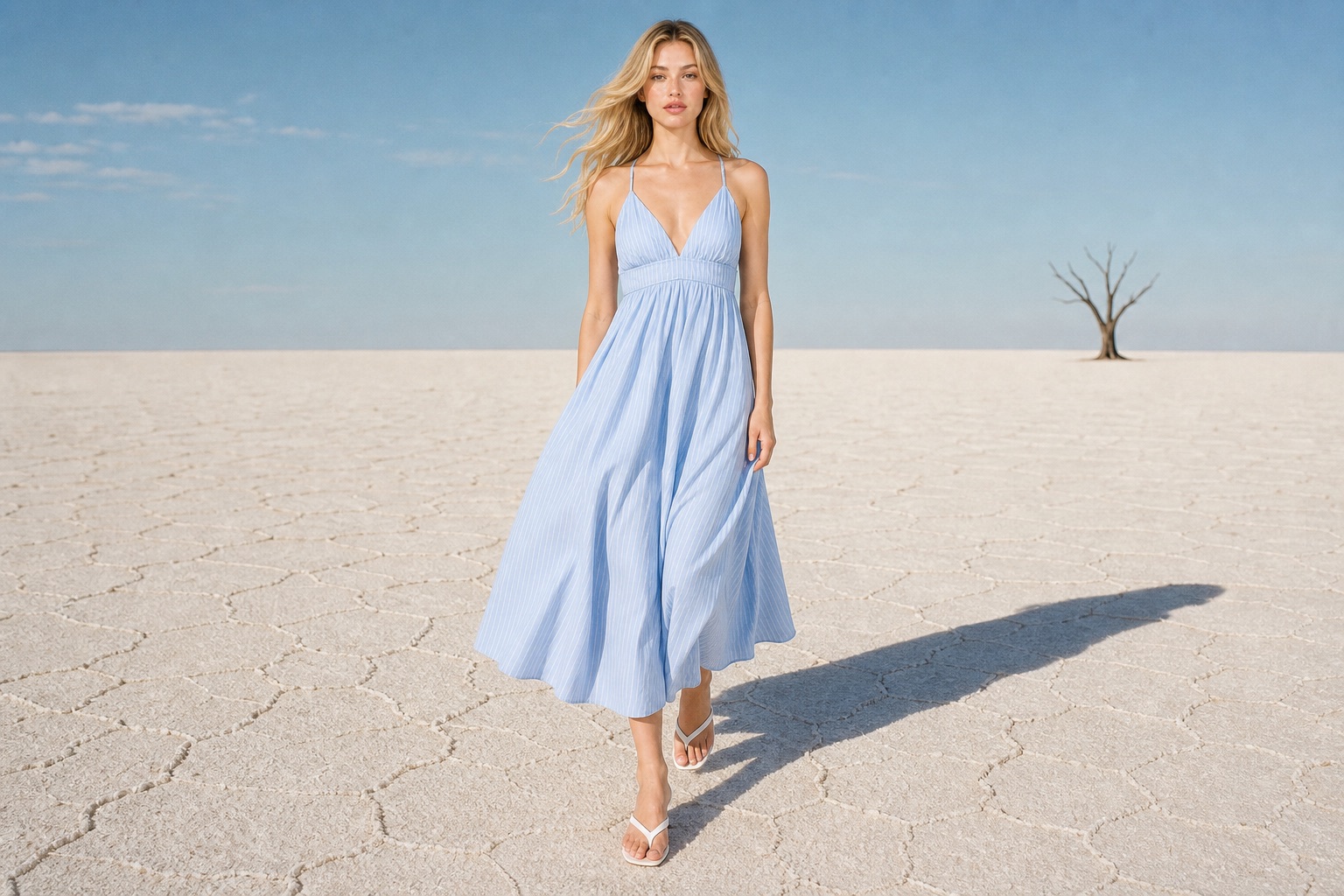
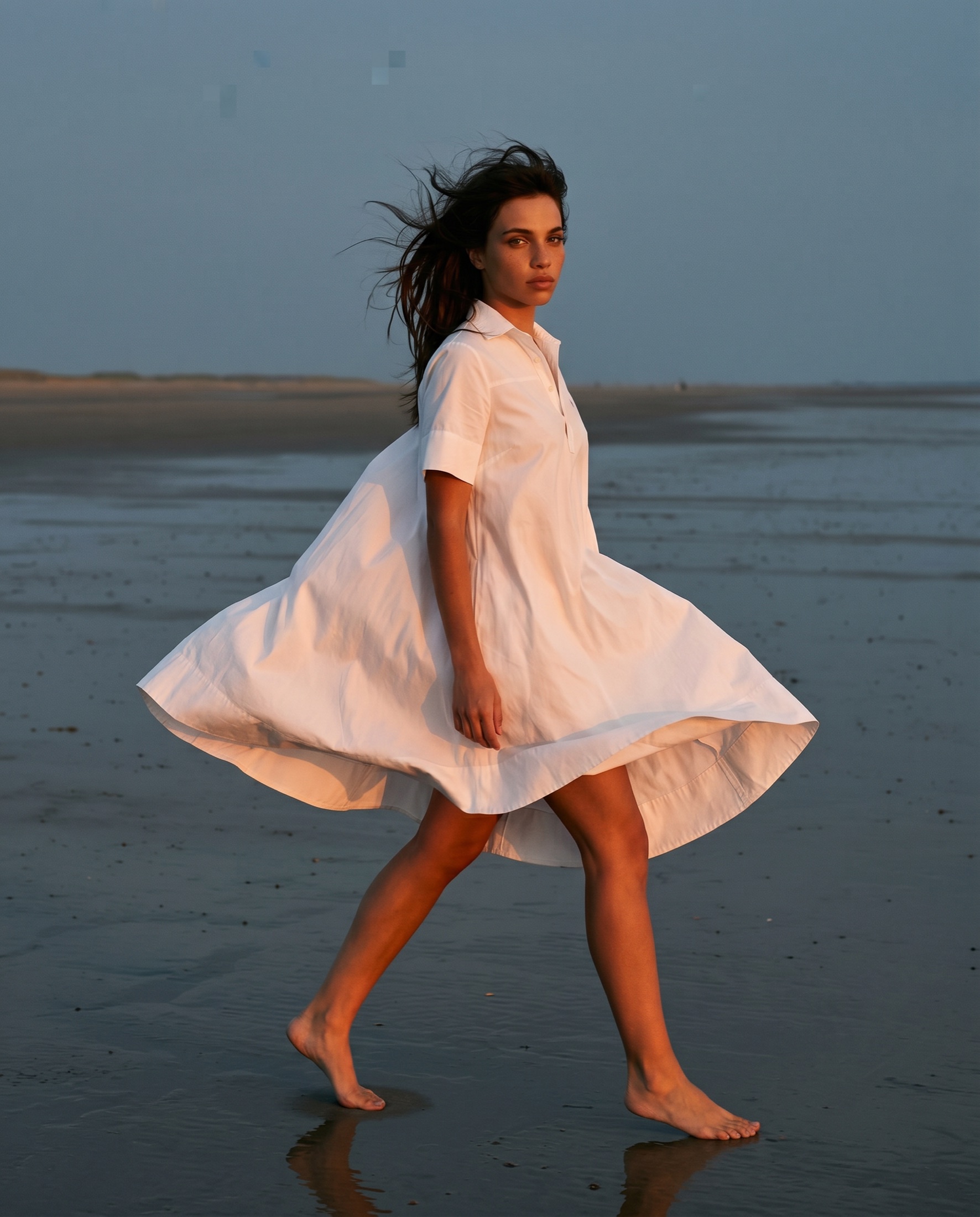
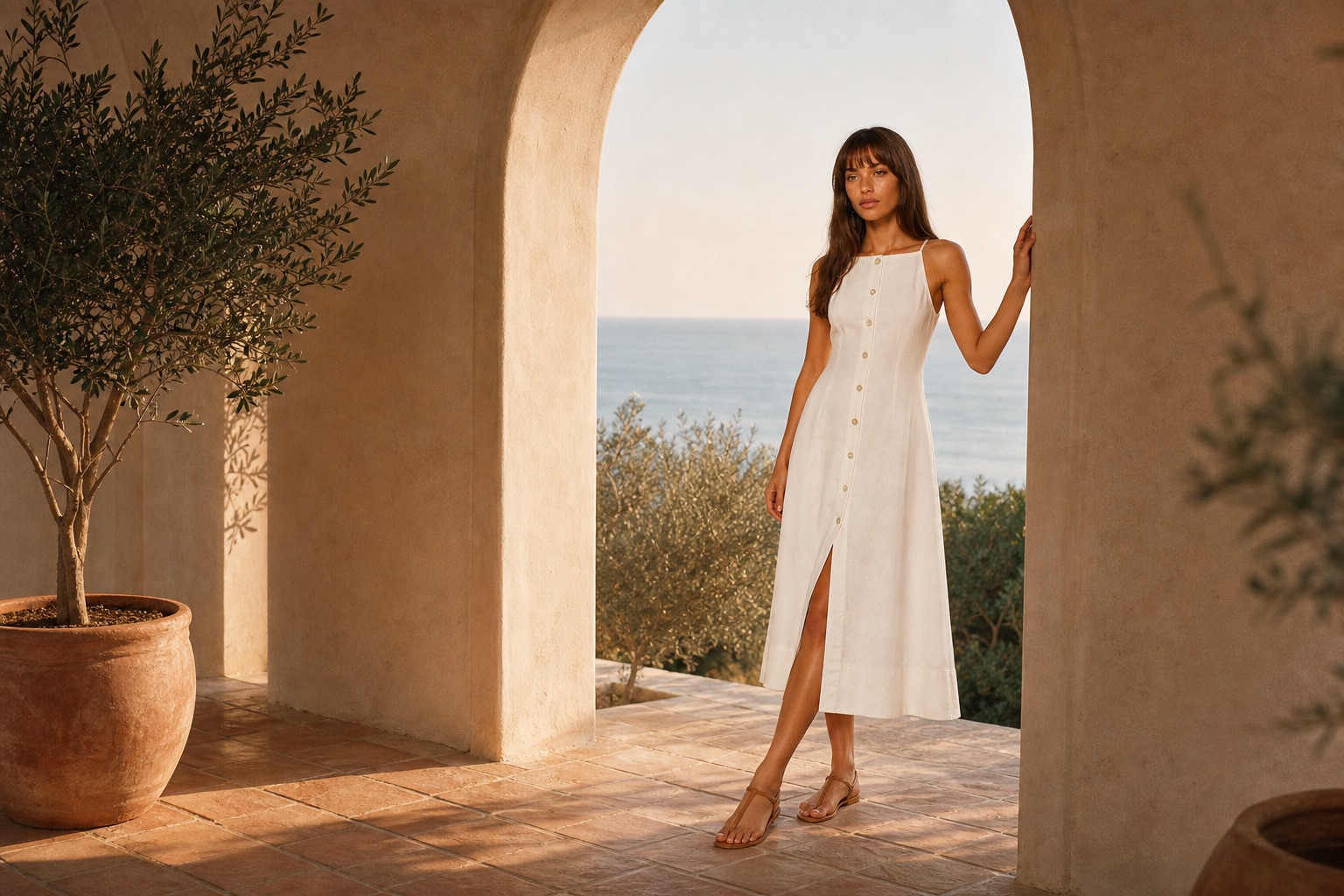
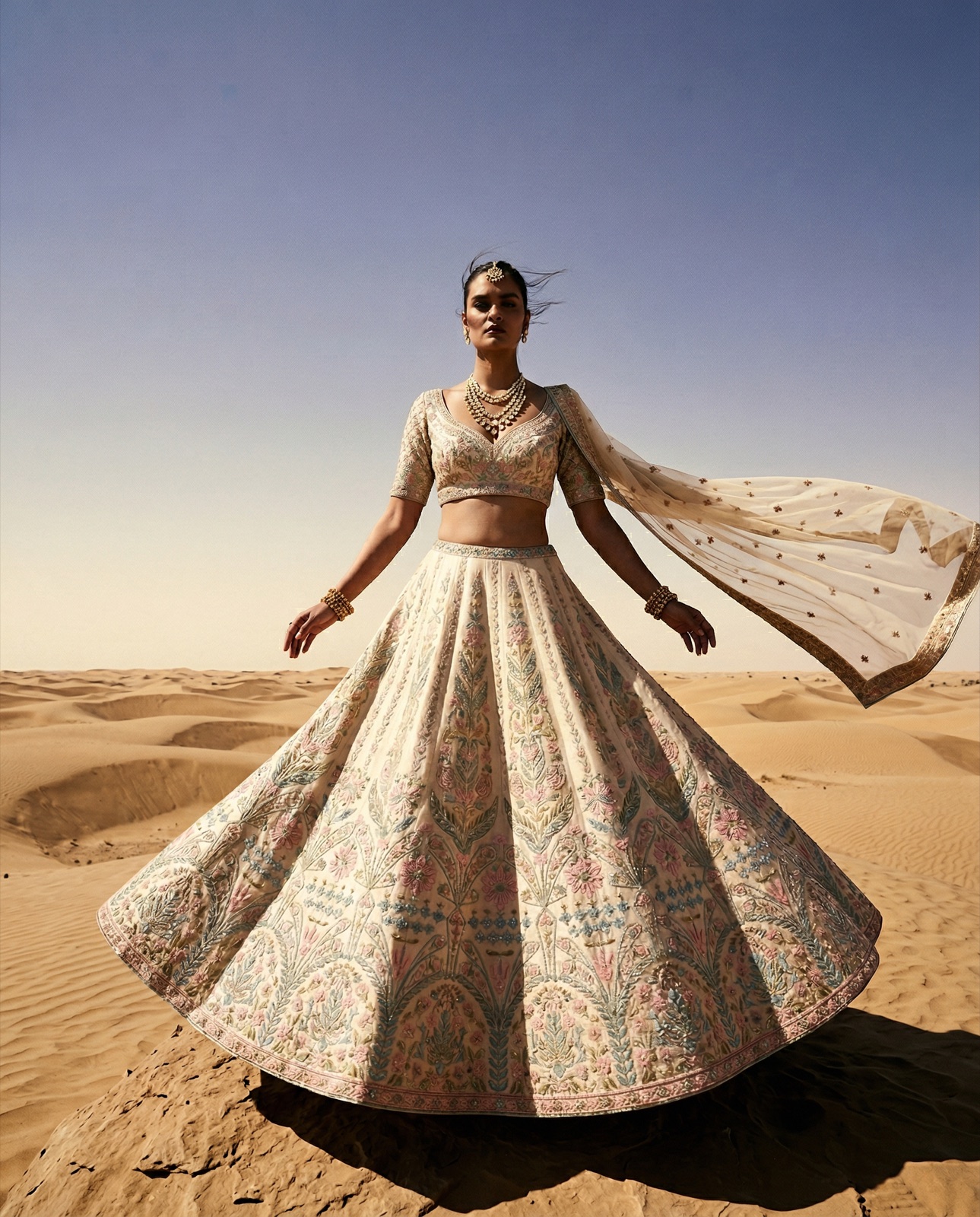
It is the week the spring collection comes back from the maker. The samples are pressed on the rail, the line is good, and the founder knows it. Then the campaign quotes land in the inbox. The freelance photographer the founder loves on Instagram quotes eleven thousand for a day plus usage. Add a stylist at twelve-hundred, a model through an agency at two thousand a day plus rights, a location fee, a glam artist, an assistant, a retoucher at the back end. The one-day shoot is now twenty-two thousand for maybe thirty usable frames — enough for a hero and half a lookbook, nothing for paid, nothing for the feed. The production studio that did the campaign the founder actually wants to copy quotes ninety. The collection is ready. The imagery that has to sell it is the line that does not close.
This is the structural problem every independent label hits, and it is not a budget-discipline problem. A label at half a million to fifteen million in revenue runs two to four drops a year and needs a full campaign behind each one — a hero, a lookbook, PDP-grade product frames, paid creative cut to placement, and feed imagery to carry the weeks between. The traditional model prices a single shoot day and delivers a single shoot's worth of frames. The founder needs a season's worth of brand-world imagery, four times a year, and the per-shoot model multiplies into a number no indie P&L carries. So the founder cuts coverage: shoots the hero, skips the lookbook, buys stock for the feed, and the brand arrives at the customer as three different brands.
The campaign studio model exists because the unit the founder needs to buy is not a shoot day — it is a season of coherent imagery. A full-funnel apparel creative partner ships the hero, lookbook, PDP, paid and feed against one brand-spine document, on a repeatable cadence, at a per-look cost the founder can multiply out across the year and still close the budget. The collection was the hard part. The imagery should not be the line that kills the launch.