


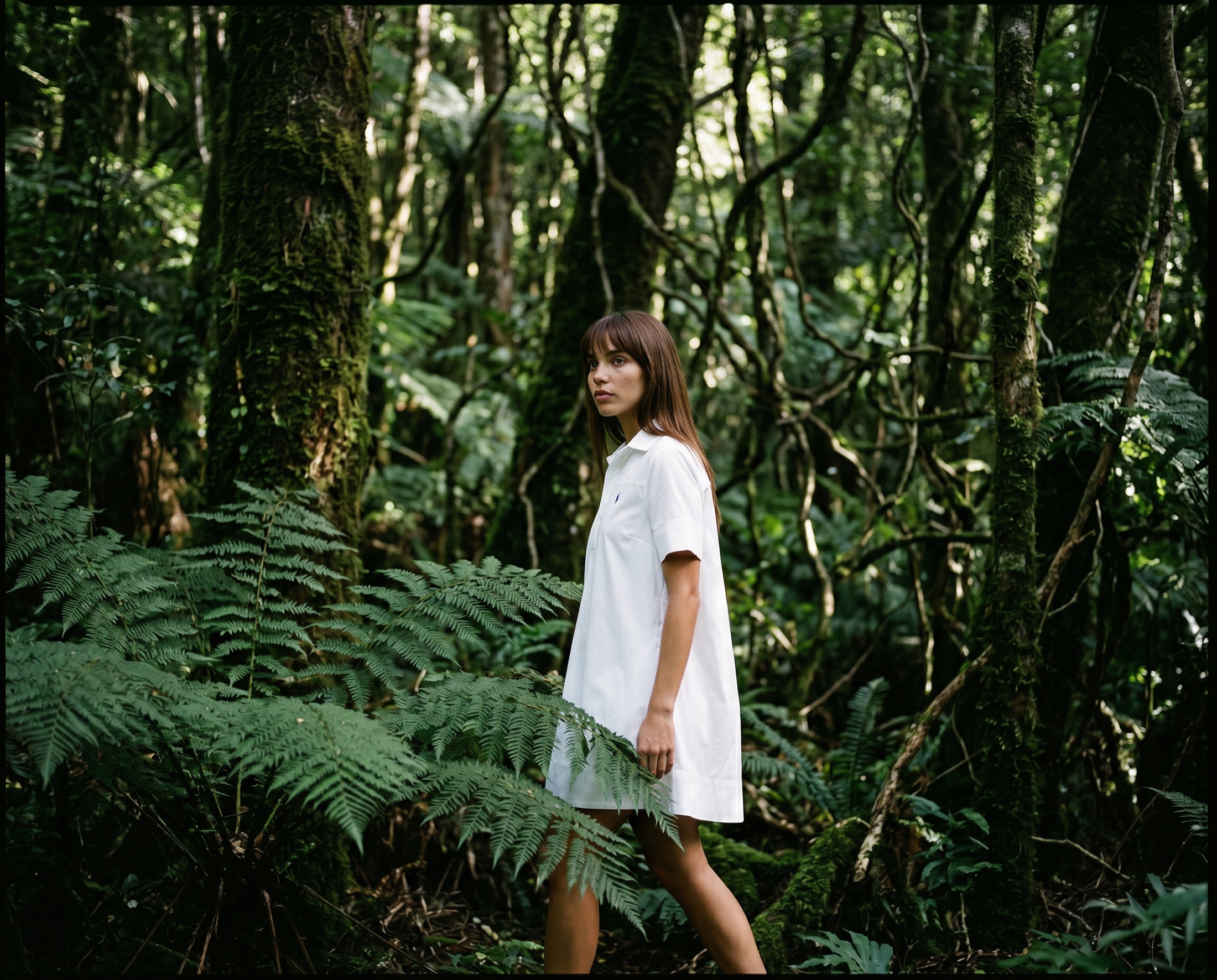
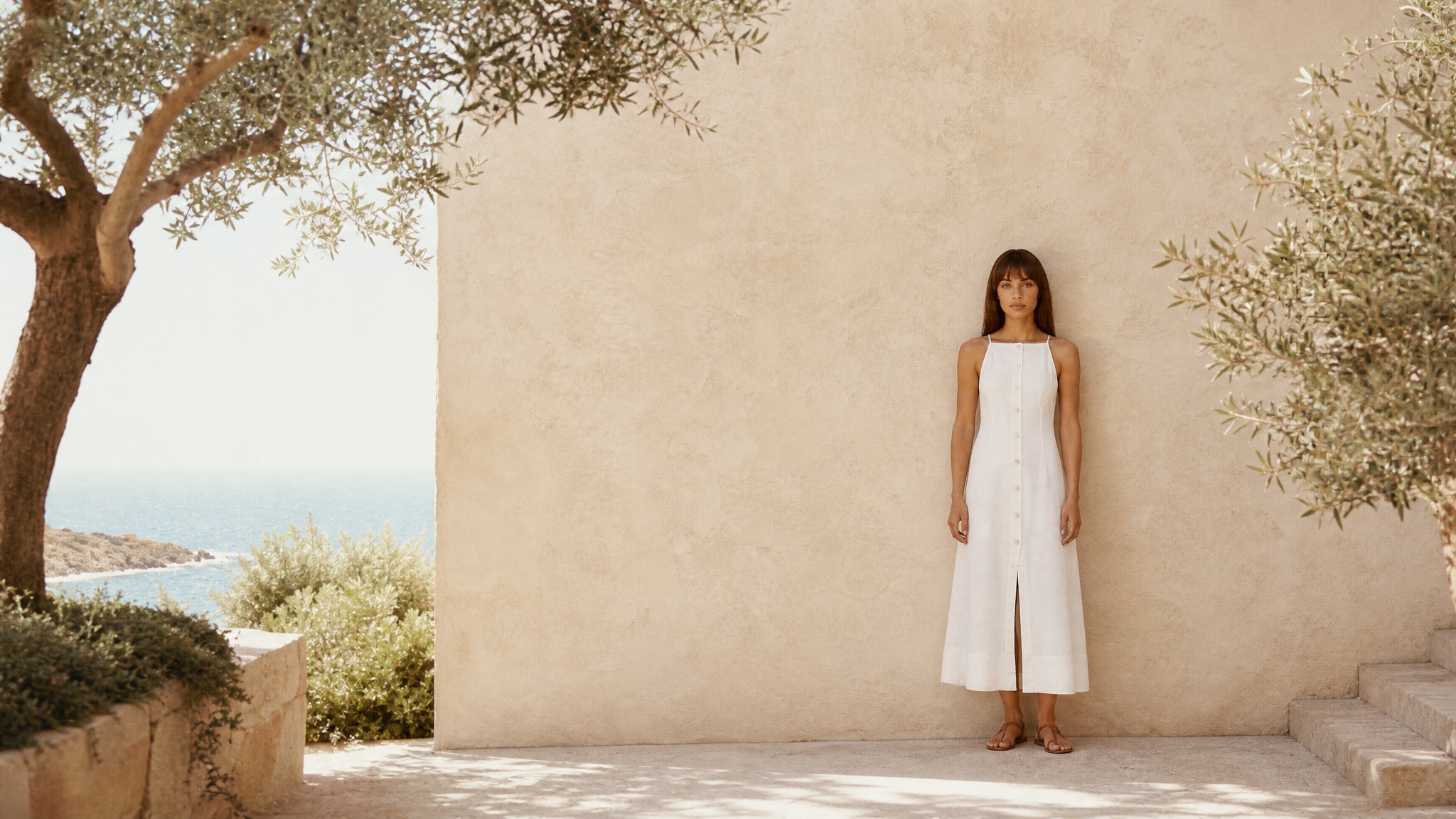
It is a Tuesday in February and the founder of a four-year-old contemporary label out of Toronto is reading a production quote. Spring-summer is the collection she has bet the year on — twenty-two SKUs, a new linen program, the first proper outerwear piece. She briefed three studios. The good one in the east end came back at forty-two thousand for a two-day shoot: photographer day-rate, a studio at twenty-two-hundred a day, a stylist, glam, three models, two assistants, retouching at ninety a frame, and a contingency line because it always rains in May. Forty-two thousand for roughly sixty usable frames. She has eleven thousand dollars budgeted for imagery this season.
This is the structural problem with apparel campaign photography in Canada. The market is thin, the senior photographers price against the US studios they also shoot for, and the fixed costs of a real campaign day — crew, studio, models, retouch, GST — do not scale down for an indie label. A national name like Aritzia or Sentaler absorbs a seventy-thousand-dollar campaign across a quarter of national revenue and never feels it. The four-year-old label feels every dollar, and the math punishes exactly the brands that most need to look established. So the founder does what most founders do: she cuts the line, the team shoots something on a phone the weekend before the drop, and the spring campaign goes live looking like a different brand than the fall one did.
The work itself is not the problem. The Toronto studio would have shot a beautiful campaign. The problem is that the price of campaign-grade imagery in Canada is structured for brands that run one tentpole a year, and a growing independent label runs two to four. The fix is not a worse shoot. It is a different production model — one that moves the expensive, repeatable parts of a campaign off the shoot day and onto a brand spine the brand owns, so the second campaign costs a fraction of the first and still reads as the same brand.