Apparel · per-drop release engine

Drop campaign photography that ships at the speed of the drop.

Drop campaign photography is the per-drop content pack a streetwear or DTC brand needs to launch a single release — the hero frame for the announce, the lookbook set for the product pages, the paid-ready cutdowns for the launch ad set, the detail stills for the story sequence — produced against a fixed drop date in days, not the six-week studio cycle. The difference from a seasonal campaign is cadence. A seasonal brand shoots twice a year; a drop brand shoots every two to six weeks, so the production model cannot be brief-casting-location-shoot-day-three-weeks-post. It has to ship before the drop goes live or the drop ships without it. For brands at the Aimé Leon Dore, Kith, Corteiz, Represent, Stüssy, Carhartt WIP, Fear of God Essentials, Vuori, Cuts and Bandit Running tier, the feed moves at drop speed — and the imagery has to keep up or the drop launches half-dressed.

By Abhi Chawla, founder · Last updated: 2026-06-19

Campaign reference

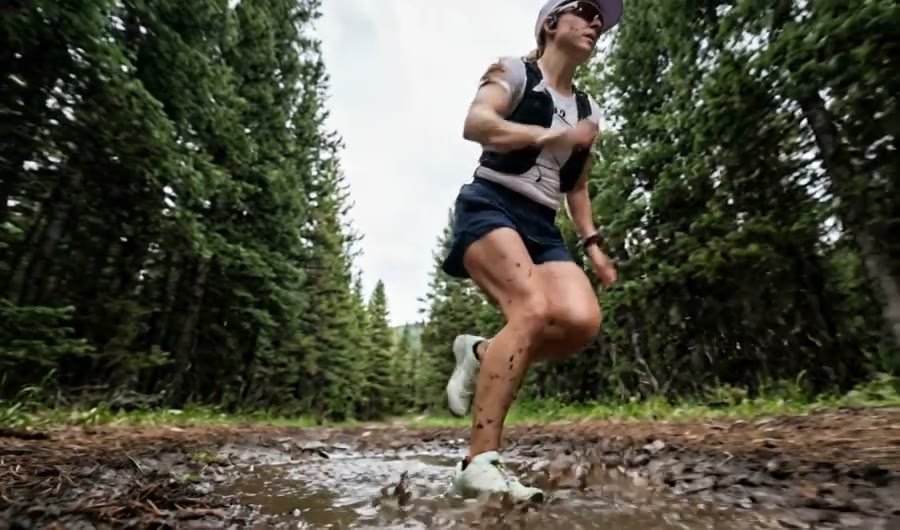
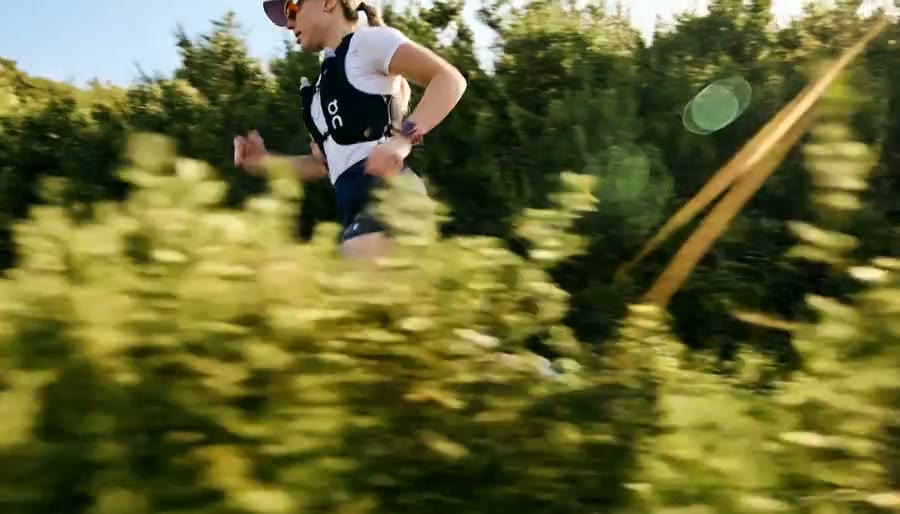
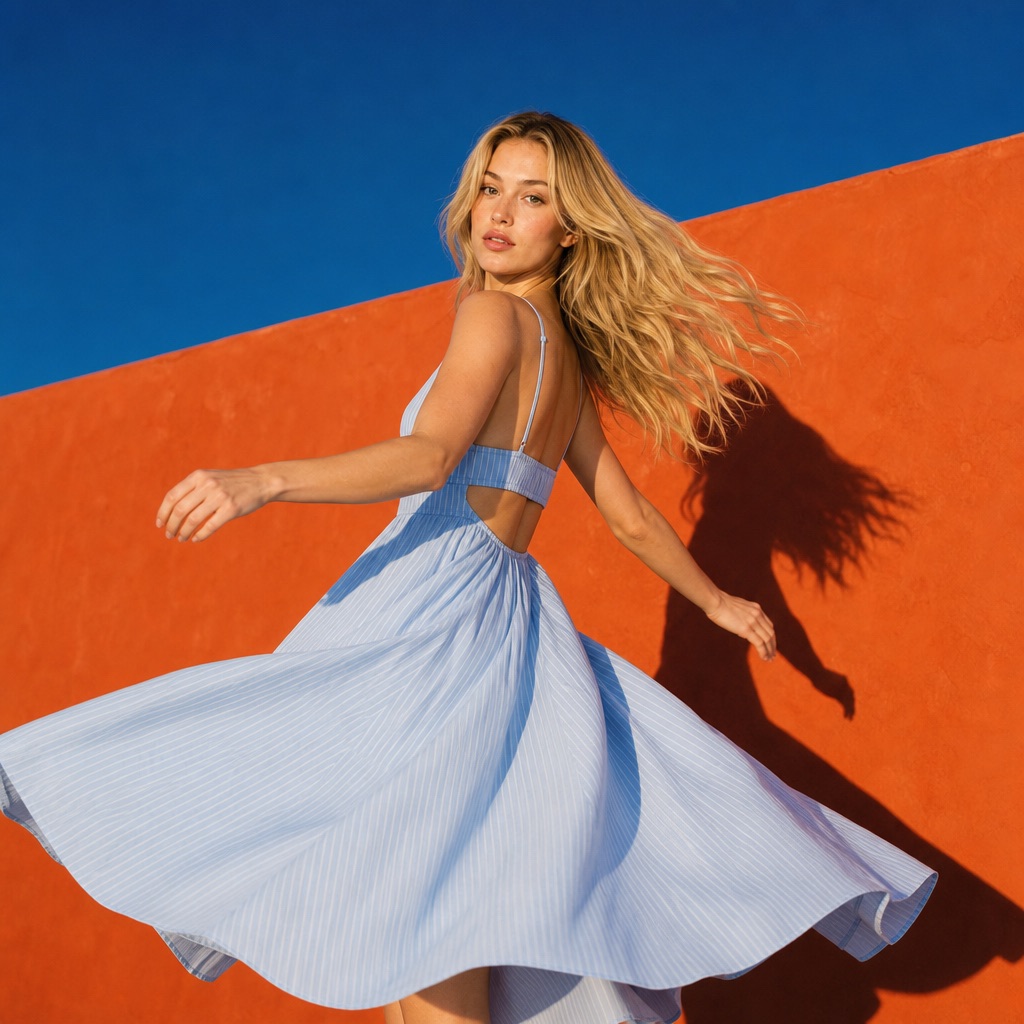
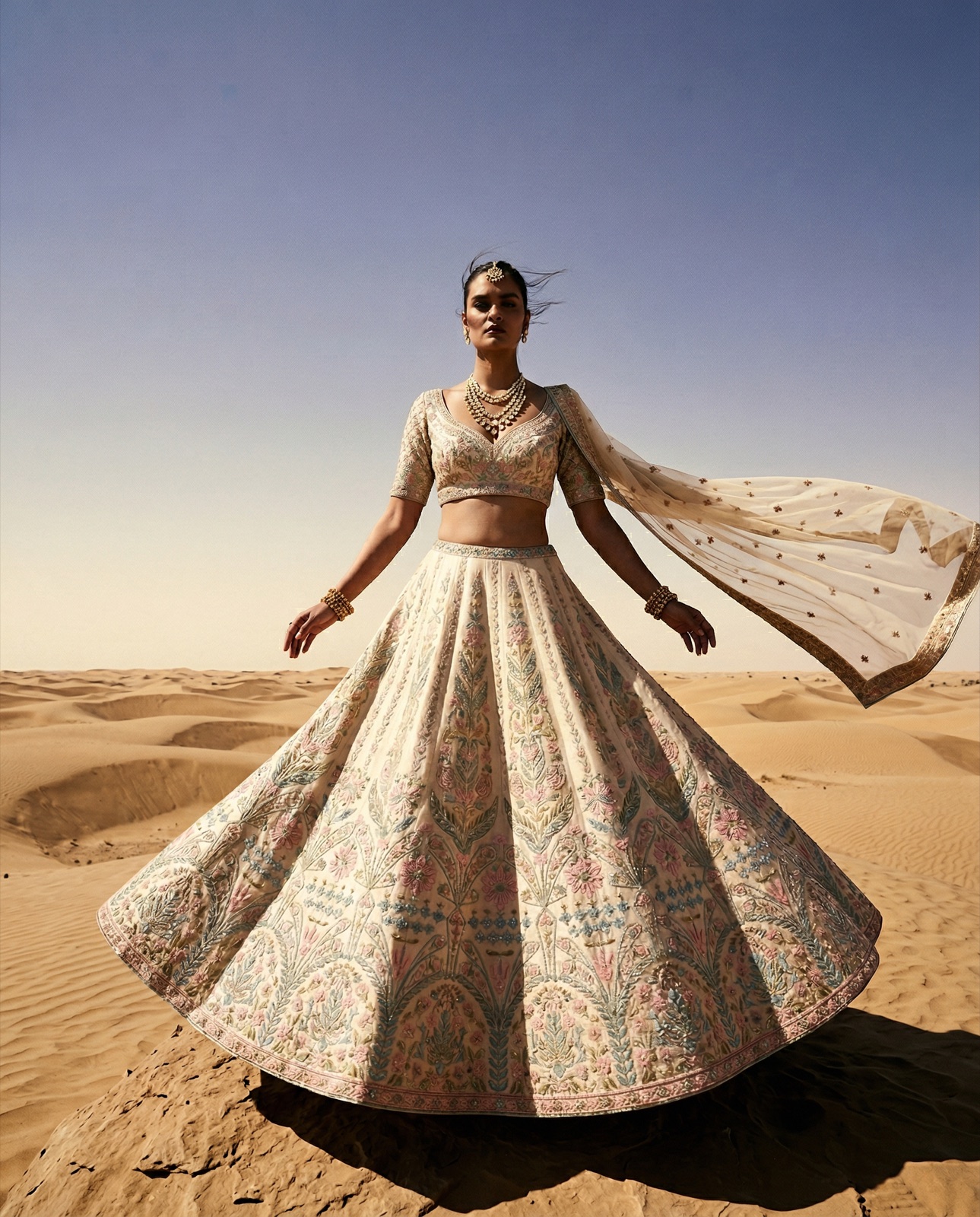
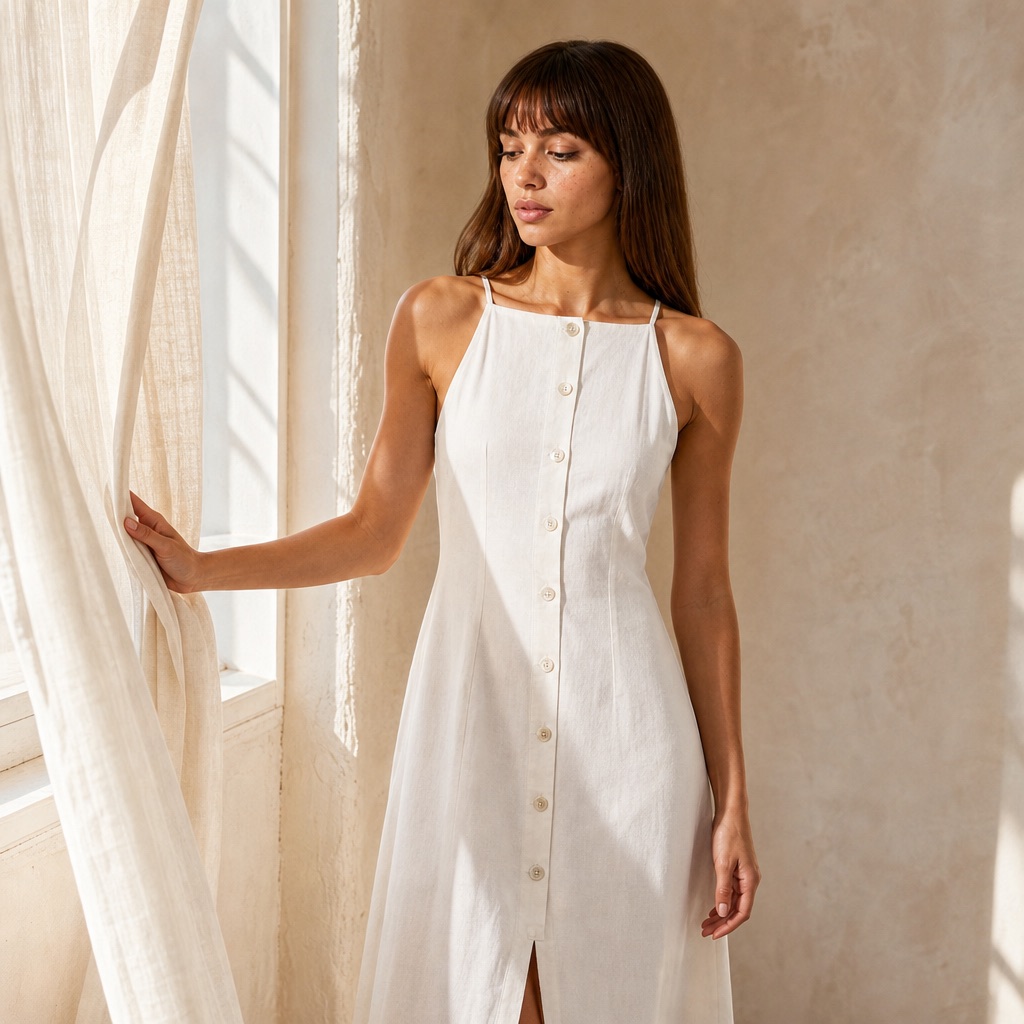
One drop, one pack — hero, lookbook and paid frames produced as drop campaign photography.

The drop goes live Friday and the announce post is still an iPhone flatlay.

It is Thursday afternoon. The drop goes live at noon Friday — the third drop this quarter, on a calendar the founder set in January and the customer now expects to the hour. The product is in the warehouse, the PDPs are built out, the email is queued in Klaviyo, the launch ad set is staged in Meta. The one thing missing is the imagery. The garments arrived from the cut-and-sew partner nine days ago, too late to brief a studio shoot that could clear post before Friday. So at 9pm the founder and the social lead lay the pieces on a seamless backdrop in the office, shoot flatlays on an iPhone 15 Pro, and call it the announce. It works, in the sense that the drop launches. It also reads as a different brand than the last two drops, because it is.

This is the structural problem of running a drop brand. The release cadence is the entire growth engine — Aimé Leon Dore built a category on it, Corteiz built a movement on it, Kith built a retail empire on it — and the imagery cadence cannot keep up with the release cadence under any traditional production model. A half-day studio shoot quotes at four to nine thousand and books two to three weeks out. Post adds another two to three weeks. The drop that imagery was made for has sold through before the frames are colour-corrected. So the brand defaults to the night-before shoot, and the feed pays for it in coherence.

Drop campaign photography exists because the bottleneck is cadence, not craft. The founder does not need a better camera or a more talented night-before stylist. The founder needs a production model whose turnaround is indexed to the drop date instead of to a studio's open shoot slots — garment in hand to a full per-drop pack in three to five days, every drop, on the same brand spine. The drop calendar moves at drop speed. The imagery has to move with it.

Why the night-before shoot, the retainer studio and the freelancer-on-Slack all miss the drop.

The first and most common path is the night-before in-house shoot. It is fast, it is free, and it is the reason most drop feeds read as a scrapbook. Drop one was shot on a sunny Saturday with natural window light. Drop two was shot at 11pm under office fluorescents at a different colour temperature. Drop three was an iPhone flatlay. The customer scrolling the grid sees three brands. The frames sit next to each other in the feed and the inconsistency registers before the caption does — and on a drop brand, where the grid is the storefront, that inconsistency is leaking exactly the brand equity the drop cadence was built to compound.

The second path is the retainer studio — the brand signs a monthly with a local studio and books recurring half-days. This fixes craft and breaks cadence. The studio's calendar is not the drop calendar. The garments arrive late from the cut-and-sew partner, the studio's next open slot is eight days out, the shoot happens, and then post takes the studio's standard two-to-three-week SLA because that is how studios price post. The brand is now paying a retainer for imagery that consistently lands a drop or two behind. We have watched a brand pay six thousand a month for a studio whose frames never once shipped on the drop they were shot for.

The third path is the freelancer-on-Slack — one trusted photographer who shoots and edits everything. This works beautifully until it does not scale. The freelancer is one person with one calendar. They go on holiday, take a wedding booking, get sick, or simply cannot turn a full pack in three days while also shooting two other clients. The brand's entire drop cadence is now load-bearing on one human's availability, and the week that human is unavailable is the week the drop ships as an iPhone flatlay anyway.

All three failure modes share one root cause: the production model is not built around the drop date. The night-before shoot has no spine and no lead time. The retainer studio has a spine but the wrong calendar. The freelancer has both but no capacity headroom. Drop campaign photography is the model that fixes all three — a brand spine locked once, a turnaround fixed against the drop date, and capacity that does not depend on one person's holiday schedule.

Lock the spine once, ship a pack every drop.

Drop campaign photography runs on a single up-front investment and then a repeating per-drop output. The up-front investment is the brand spine — locked once, in the first week, before the first drop ships. The spine is a working document: the colour register in Pantone-locked sRGB at under three Delta E drift, the light direction in physical units, the casting frame, the environment register the brand's announce frames live in, and the negative-space ratio the grid is built on. It is the same discipline a seasonal fashion campaign treats as a season-long contract — here it is locked once and amortised across every drop for the life of the brand relationship rather than re-briefed each season.

Once the spine is locked, every drop is a pack composed against it. The garment arrives — physically in hand, or as a tech-pack-locked digital sample where the silhouette and fabrication are fixed — and the pack is composed, reviewed and delivered in three to five working days. Because the spine is already locked, there is no per-drop creative-direction cycle to burn the lead time. The brief for a drop pack is one page: which SKUs, which registers, which channels, which drop date. Everything else is already decided, sitting in the spine document the first drop was composed against.

The pack itself is built to cover every surface a drop launch touches. The announce hero for the grid and the paid prospecting set. Four to eight lookbook frames on figure for the collection page. Two to four on-figure and detail frames per SKU for the PDPs. Six to twelve paid cutdowns sized for the launch ad set — the volume Meta's auction needs to avoid creative fatigue inside the launch window. Four to eight story and Reels-cover frames for the announce sequence. Everything cropped to 1:1, 4:5, 9:16, 2:3, the dot-com hero crop and the email hero before it lands in the brand's DAM.

The result is a drop that launches fully dressed across every channel, on a turnaround the drop date can actually accommodate, in a visual language identical to the last drop and the next one. The night-before iPhone shoot disappears. The grid compounds instead of resetting. The cadence the brand's growth was built on finally has imagery that moves at the same speed — which is also the rhythm that powers an ongoing apparel brand social campaign between the drops themselves.

Every surface a drop launch touches, shipped in one pack.

Click through the five surfaces a single drop pack covers. One drop, one brief, one spine — every channel dressed before the announce goes live.

Announce hero — the frame the drop is judged on

The single frame that runs first-stop on the grid and anchors the paid prospecting set on drop day. Composed against the brand spine — the casting frame, the colour register, the environment the announce frames live in. This is the frame that tells the customer who saved the last drop that this is the same brand, before the wordmark even loads.

The three ways drop brands shoot today — and why two of them miss the drop.

Path A

The night-before in-house shoot

Free, fast, and the reason most drop grids read as a scrapbook. Each drop is shot in whatever light and on whatever device is available the night before, with no spine to compose against. The frames land on time and break the brand. Across ten drops the grid accumulates ten colour temperatures and three framing languages, and the equity the drop cadence was built to compound leaks out one inconsistent announce at a time. Works for a brand with no grid to protect. Fails the moment the grid is the storefront.

Path B

The retainer studio or freelancer

Three-and-a-half to nine thousand per shoot, or a four-to-eight-thousand monthly retainer. Craft is solved and cadence is not. The studio's calendar is not the drop calendar; post runs the studio's standard two-to-three-week SLA; the freelancer is one person with one holiday schedule. The frames are excellent and consistently land a drop or two behind the release they were made for. The brand pays a premium for imagery that is always slightly too late to do the job it was bought for.

100 Creatives

Drop campaign photography on a locked spine

Roughly twelve hundred to four thousand per drop, garment in hand to a full per-drop pack in three to five days — forty-eight hours on the express lane for a rush announce. Brand spine locked once and amortised across every drop, so there is no per-drop creative cycle to burn the lead time. Hero, lookbook, PDP, paid cutdowns and story frames, cropped to every channel, in a visual language identical to the last drop. The cadence the brand's growth runs on finally has imagery that moves at the same speed.

The math when you drop monthly, not seasonally.

Run the numbers on a brand dropping monthly. Twelve drops a year, each one needing a hero, a lookbook, PDP frames and a launch ad set. On the retainer-studio model at the low end — half-day shoot at four thousand plus the post cycle — that is forty-eight thousand a year in shoot fees alone, before the cost of the drops that shipped as iPhone flatlays because the studio's calendar could not clear post in time. The real cost is not the forty-eight thousand. It is the four or five drops a year that launched half-dressed because the production model could not keep cadence, each one leaking conversion on the launch and equity on the grid.

Drop campaign photography lands the same twelve drops at roughly twelve hundred to four thousand per drop depending on SKU count and pack depth — fourteen to forty-eight thousand a year — with the brand-spine lock as a one-time up-front cost amortised across all twelve. The difference is not only the line item. It is that all twelve drops actually ship dressed, on time, on the same spine, because the turnaround is fixed against the drop date rather than against a studio's open slots. The drop that was going to be an iPhone flatlay is now a full pack, and the conversion and equity that flatlay was leaking stay on the brand.

The second-order economics sit on the founder's calendar. The 9pm night-before shoots disappear — that is six to ten hours per drop, sixty to a hundred-twenty hours a year, that the founder and social lead get back to spend on product and community instead of seamless backdrops. For a brand running drops as its growth engine, that is not a soft saving; it is the founder's time returned to the work that actually moves the brand. The drop pack model is the same brand-spine discipline an apparel creative agency runs across the full funnel — here narrowed to the one job a drop brand cannot afford to get wrong: shipping the drop, dressed, on time.

What the first three drops look like on the model.

The first drop is the spine lock. Before a single frame ships, we run a working session against the brand's existing announce frames, the casting frame, the colour register, the environments the brand lives in and the negative-space ratio the grid is built on. The output is a brand-spine document that becomes the production contract for every drop that follows. Then we compose the first drop pack against it and deliver in the standard three-to-five-day window. The founder sees the first pack land on the drop date and recognises the brand on every frame — the difference from the night-before shoot is immediate and visible in the grid.

The second drop is rhythm. The one-page brief becomes routine — SKUs, registers, channels, drop date, sent the day the garments are confirmed. There is no creative-direction cycle because the spine already decided it. The pack lands in the DAM cropped to every channel before drop day, the social lead schedules the announce sequence, the PDPs are dressed at launch, the paid set goes live with real frame-level diversity. The founder stops being the night-before producer and starts being the reviewer, signing off a pack that already looks like the brand.

The third drop is compounding. Three drops in, the grid reads as one brand across every release — same casting frame, same colour register, same light. The customer who saved drop one recognises drop three before the caption loads, and the save-rate that used to reset on every inconsistent announce now carries across drops. The brand can raise drop cadence — monthly to fortnightly — without raising the production overhead, because the spine is locked and the per-drop pack is a repeatable output. The cadence that was the growth engine is now matched by an imagery engine moving at the same speed.

Drop campaign photography · frequent questions

What is drop campaign photography?

Drop campaign photography is the per-drop content pack a streetwear or DTC brand needs to launch a single release — the hero frame for the announce, the lookbook set for the product pages, the paid-ready cutdowns for the launch ad set, and the detail stills for the story sequence — produced against a fixed drop date rather than an open-ended shoot calendar. The difference from a seasonal campaign is cadence. A seasonal brand shoots twice a year and a drop brand shoots every two to six weeks, so the production model cannot be the six-week studio cycle. It has to ship at the speed of the drop or the drop ships without it.

Why can't a drop brand just use the normal six-week studio cycle?

Because the math does not survive contact with a drop calendar. A brand dropping monthly has roughly four weeks between releases. A traditional campaign cycle — brief, casting, location, shoot day, two-to-three-week post, revisions — burns five to seven weeks before a usable frame exists. By the time the imagery lands the drop it was made for has already sold through or died on an empty product page. Drop brands solve this today by shooting iPhone flatlays the night before, which is why most drop feeds read as a different brand every release. Drop campaign photography fixes the cadence problem, not the camera problem.

How fast can you turn a drop pack around?

The standard turnaround is the garment in hand or tech-pack-locked to a delivered pack in three to five working days for a single drop, against a brand spine locked once up front. A rush drop — announce in seventy-two hours — runs on a forty-eight-hour express lane for the hero and announce frames, with the lookbook and paid cutdowns following inside the week. The turnaround is fixed against the drop date because the production model is indexed to the drop calendar, not to a studio's open shoot slots.

What is in a per-drop content pack?

A standard per-drop pack is the announce hero, four to eight lookbook frames on figure, two to four PDP-adjacent on-figure and detail frames per SKU, six to twelve paid cutdowns sized for the launch ad set, and four to eight story and Reels-cover frames. Everything is composed against the brand spine locked up front and delivered cropped to every channel aspect ratio — 1:1, 4:5, 9:16 for feed and Stories, 2:3 for Pinterest, the dot-com hero crop and the email hero. One drop, one pack, every surface covered before the drop goes live.

How do you keep every drop looking like the same brand?

By locking a brand spine once and composing every drop against it. The spine captures the colour register in Pantone-locked sRGB, the light direction in physical units, the casting frame, the environment register and the negative-space ratio the brand's announce frames are built on. Every subsequent drop pack is composed against that spine, so the eleventh drop reads as the same brand as the first. This is the discipline a seasonal fashion campaign treats as a season-long contract, applied at drop cadence instead.

What does drop campaign photography cost versus a per-drop studio shoot?

A traditional per-drop shoot — half-day studio, photographer, one model, stylist, light post — runs three-and-a-half to nine thousand all-in for a single drop, before the two-to-three-week post cycle that misses the drop date anyway. Drop campaign photography runs on a per-drop or monthly model at roughly twelve hundred to four thousand per drop depending on SKU count and pack depth, delivered in days, on the brand spine, cropped to every channel. A brand dropping monthly saves both the cash and the cadence — the per-drop shoot that was never going to land on time stops being the bottleneck.

Does this work for a brand dropping weekly, not monthly?

Yes — weekly is where the model earns the most. A weekly-drop brand has no realistic path through a traditional shoot cycle at all, so the alternative is always the night-before iPhone shoot. On a locked brand spine and a standing weekly pack, each drop ships a hero, a short lookbook and the paid cutdowns inside the same week the product goes live, every week, on the same visual language. The cadence is the product. The faster the brand drops, the more the spine-on-cadence model out-performs the one-off shoot it replaces.

How is drop campaign photography different from a seasonal fashion campaign?

A seasonal fashion campaign is the once-or-twice-a-year signature moment — the named-photographer destination shoot that sets the price point for the whole season. Drop campaign photography is the every-two-to-six-weeks release engine that keeps the brand shipping between, or instead of, those tentpoles. Many brands run both: the seasonal campaign for the brand-defining moment and the drop pack for the cadence in between. The seasonal campaign sets the world. The drop pack ships inside it, at the speed the release calendar actually moves.

Ship the next drop dressed

Bring us the next drop. It will not ship half-dressed.

If you run a streetwear or DTC brand on a drop cadence and the announce post keeps becoming an iPhone flatlay the night before — send your existing announce frames and the next drop date. The brand spine gets locked in the first week, and from the next drop on you get a full per-drop pack — hero, lookbook, PDP, paid cutdowns and story frames — in three to five days, cropped to every channel, on the same visual language every time. Send your brand and we'll reply with a plan — abhi@paperkites.co.

Book a drop-pack call