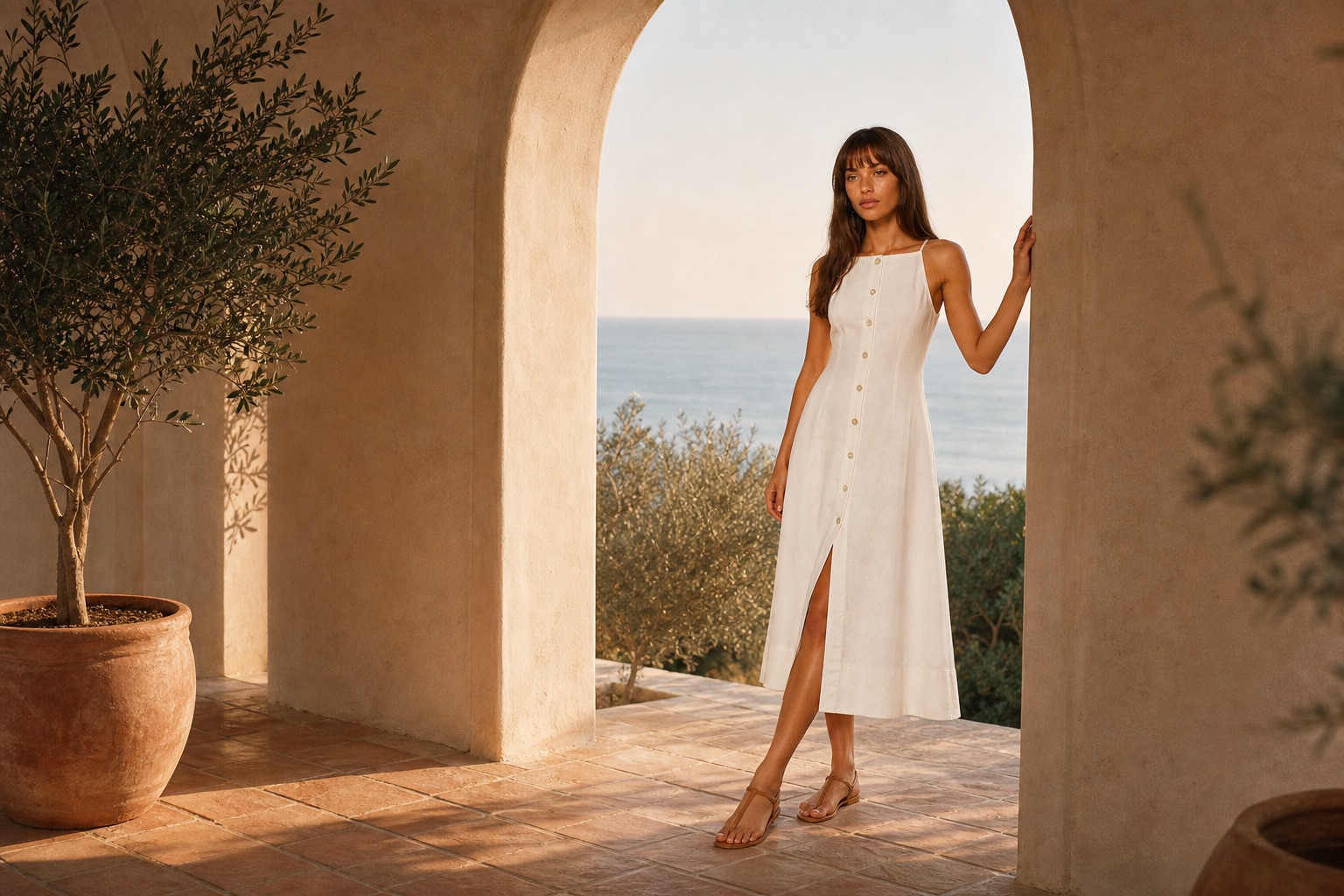
It is Monday and the production estimate is in the inbox. The brand director at a US contemporary label running four drops a year asked three NYC studios and one freelance photographer with a great Instagram to bid the spring campaign. The lowest number is forty-two thousand for one day. The highest, with a location in Montauk and a two-day hold, is one-hundred-thirty-one. The deck is beautiful. The mood board is exactly right. And the founder, who has seen the brand grow from a Shopbop pickup to a Nordstrom brand-page placement, looks at the number against a spring inventory buy that is already committed, and asks the question every US apparel founder asks at this moment: does the campaign have to cost more than a season's worth of fabric?
The number is real and the studios are not gouging. A New York or Los Angeles campaign day is genuinely expensive — union-adjacent crew rates, model day-rates with usage that compounds across placements, a Garment District or DTLA studio hold, hair and makeup, a stylist with two assistants, casting, catering, and a post queue that runs two to three weeks behind the shoot. What the founder is actually balking at is not the craft. It is the structure: a single day, sixty frames if the light cooperates, and a campaign that then has to stretch across the dot-com hero, the wholesale deck the buyer at Saks expects, the Klaviyo welcome flow, four paid placements and a press kit. The day is the cheap part. The reshoot — when the hero does not crop to nine-by-sixteen, or the buyer wants a cleaner editorial frame — is where the second forty thousand goes.
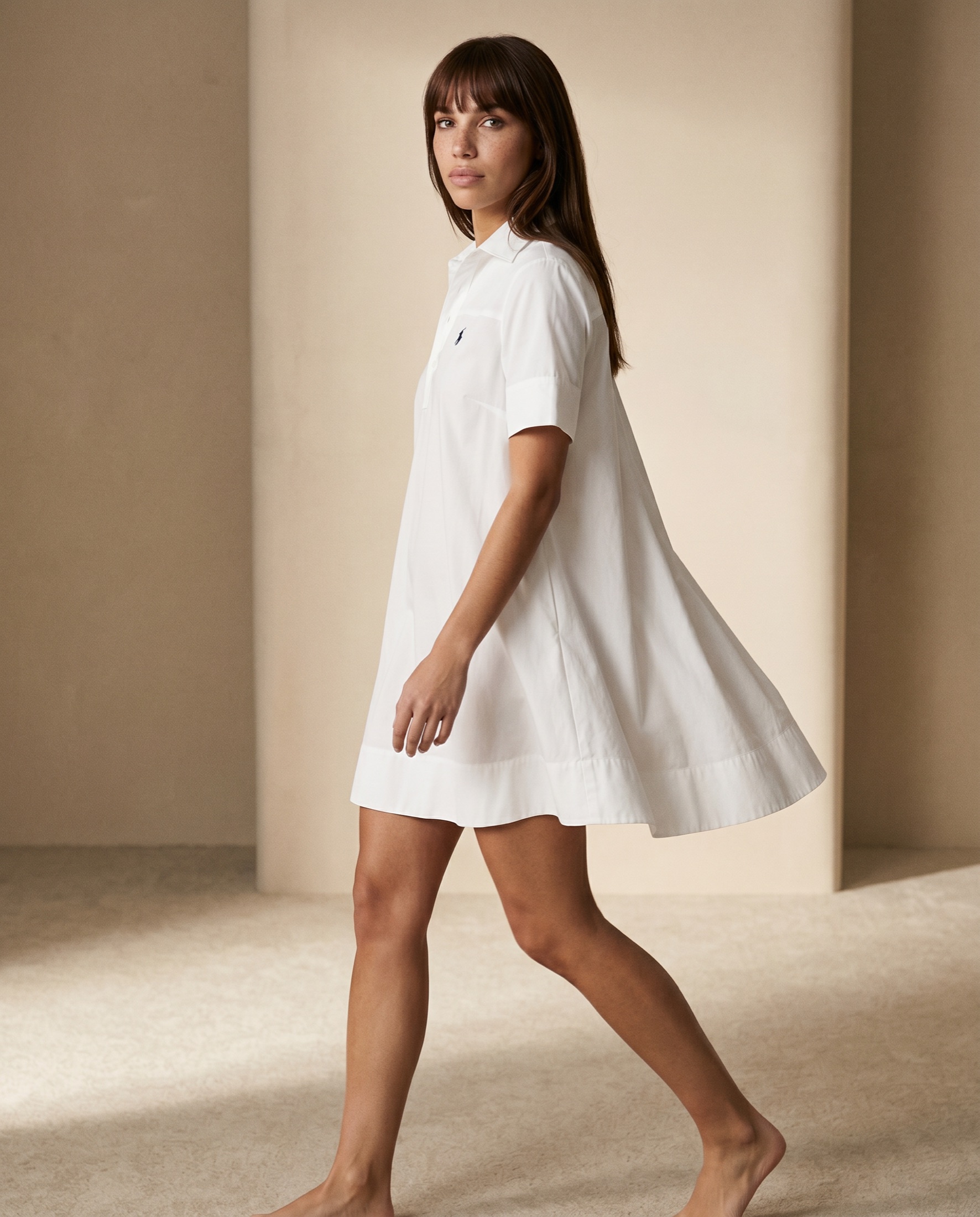
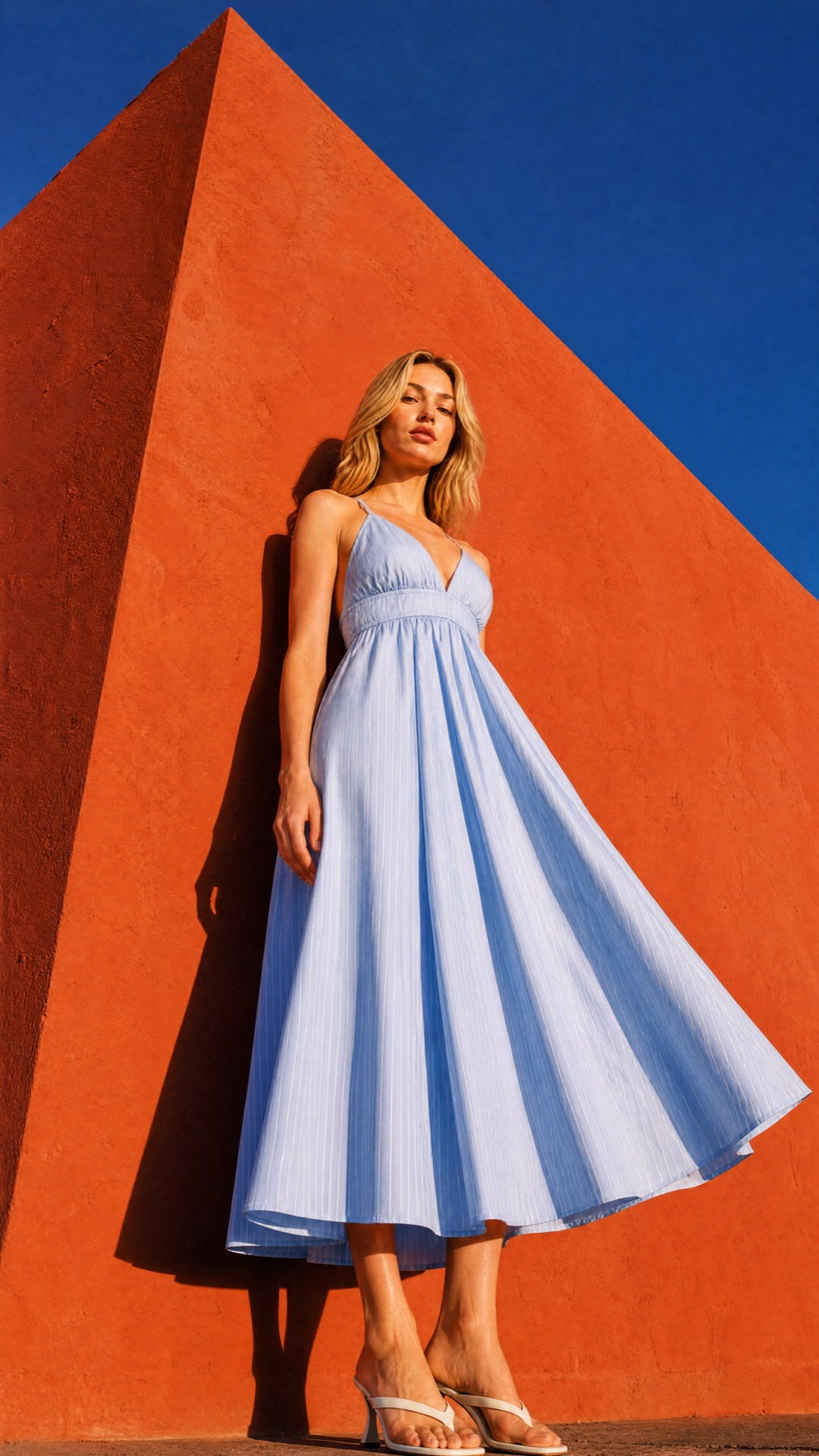
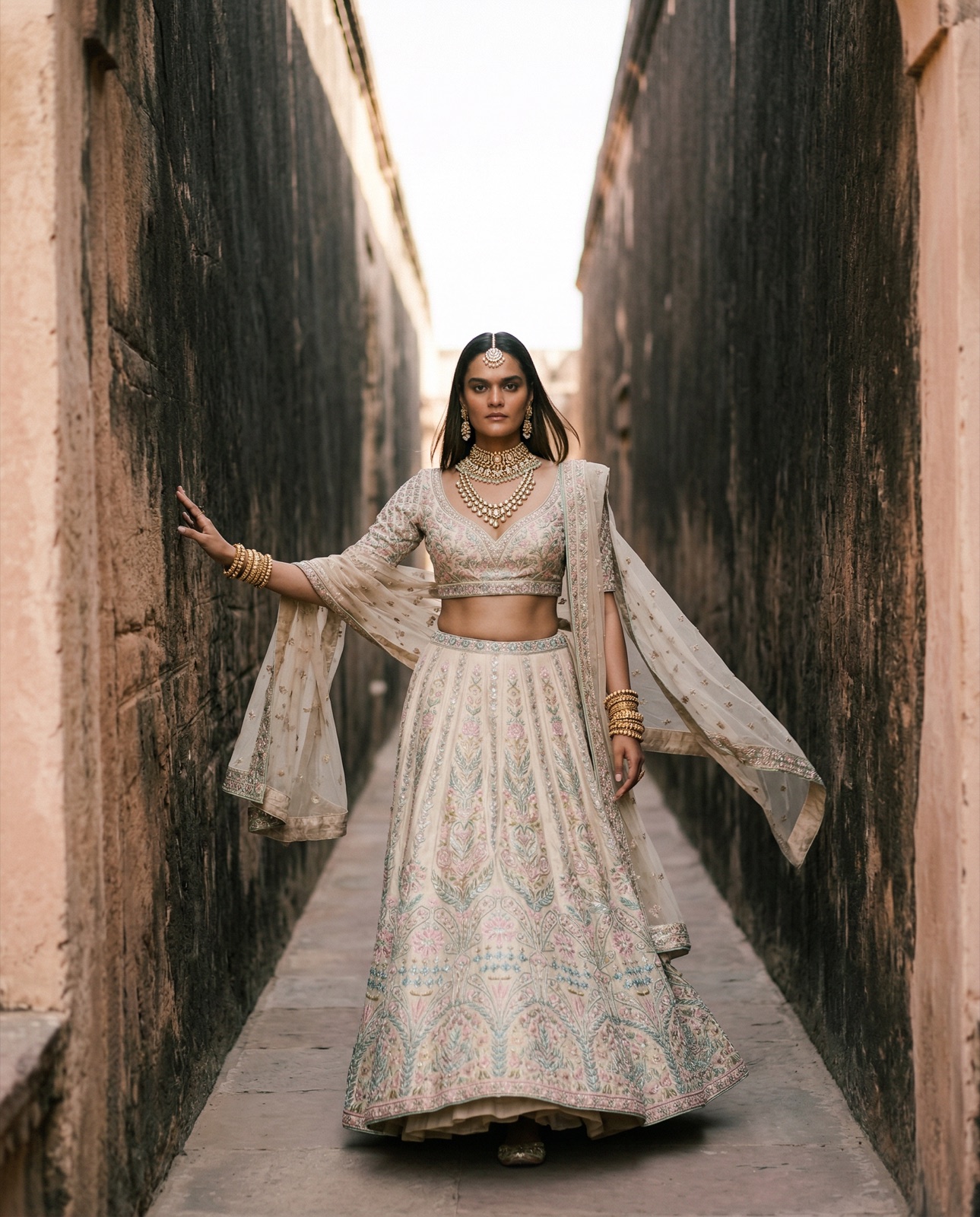
This is the gap a brand-world studio closes. Not by being a cheaper photographer, but by producing the campaign as a documented system rather than a calendar day. The hero, the lookbook, the editorial and the cutdowns are composed against one brand spine, shipped in days, and delivered cropped to every channel the campaign has to live on. For a US brand the math finally closes — and the campaign ships with the drop instead of three weeks after it. The same logic runs through our campaign studio for US fashion labels, where the cost case is laid out frame by frame.