
Apparel · full-funnel creative partner

The apparel creative agency in the USA that ships the whole brand, not a stack of invoices.

An apparel creative agency in the USA, done right, owns the whole funnel from one studio — brand identity, the seasonal campaign, the lookbook, editorial, the dot-com modules, and the feed — all composed against one brand spine. Most American labels do not have that. They have a campaign photographer in New York at a five-figure day rate, a lifestyle shooter in Los Angeles on a separate retainer, a retoucher living in a Slack channel, a part-time art director and a UGC pack from forty creators. Every piece is good in isolation; together they produce a brand that reads one way on Nordstrom dot-com, another on the Shopbop linesheet and a third on the Instagram grid. We replace the stack with a single creative partner that produces every surface against one document, so the customer reads one world — and the CFO reads one number — from the campaign hero down to the product-on-white. For US brands at the Veronica Beard, Ralph Lauren, Ulla Johnson, Staud, Reformation, Buck Mason and Vuori tier, this is the difference between a brand and a catalog.

By Abhi Chawla, founder · Last updated: 2026-06-19

Brand-world reference

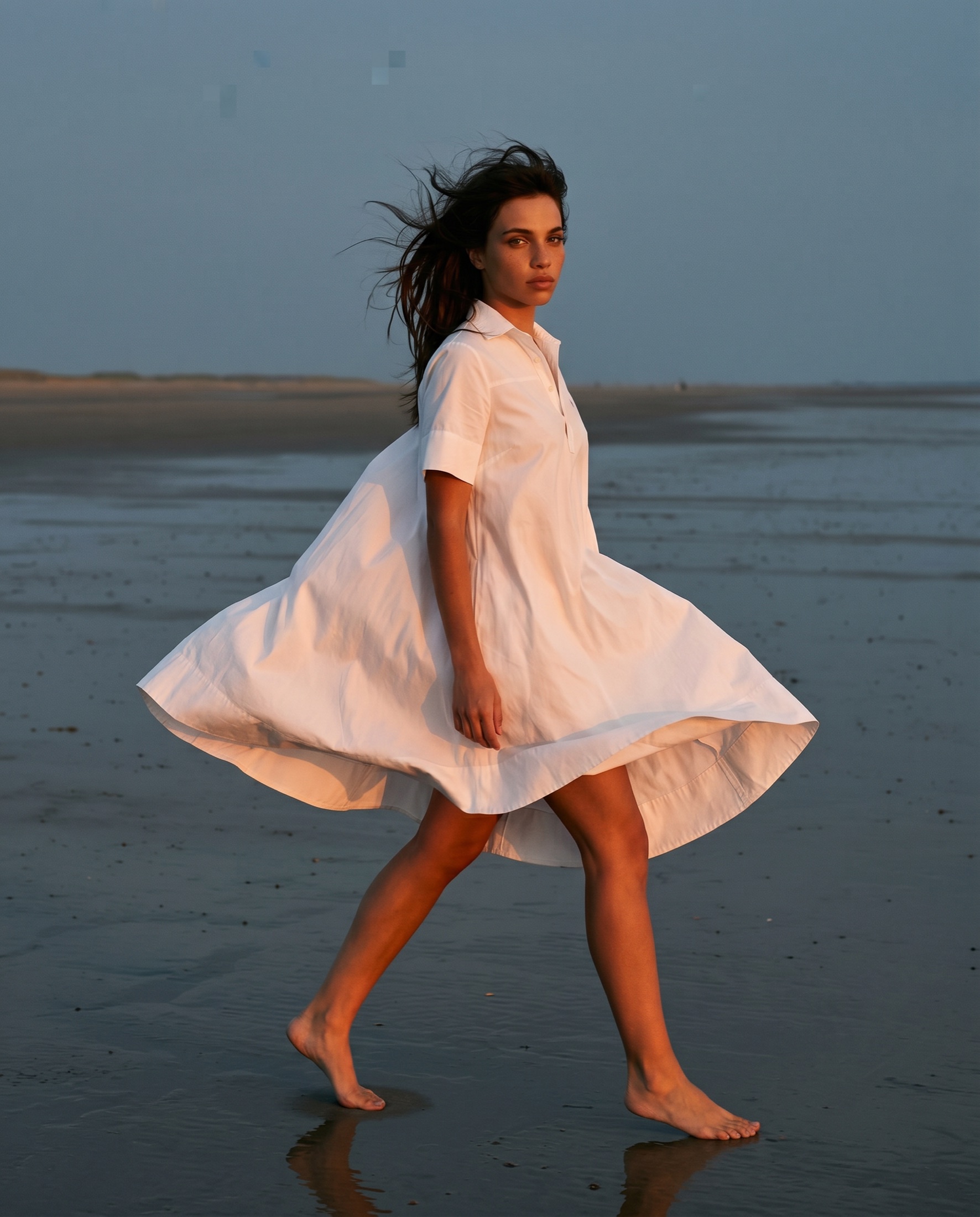
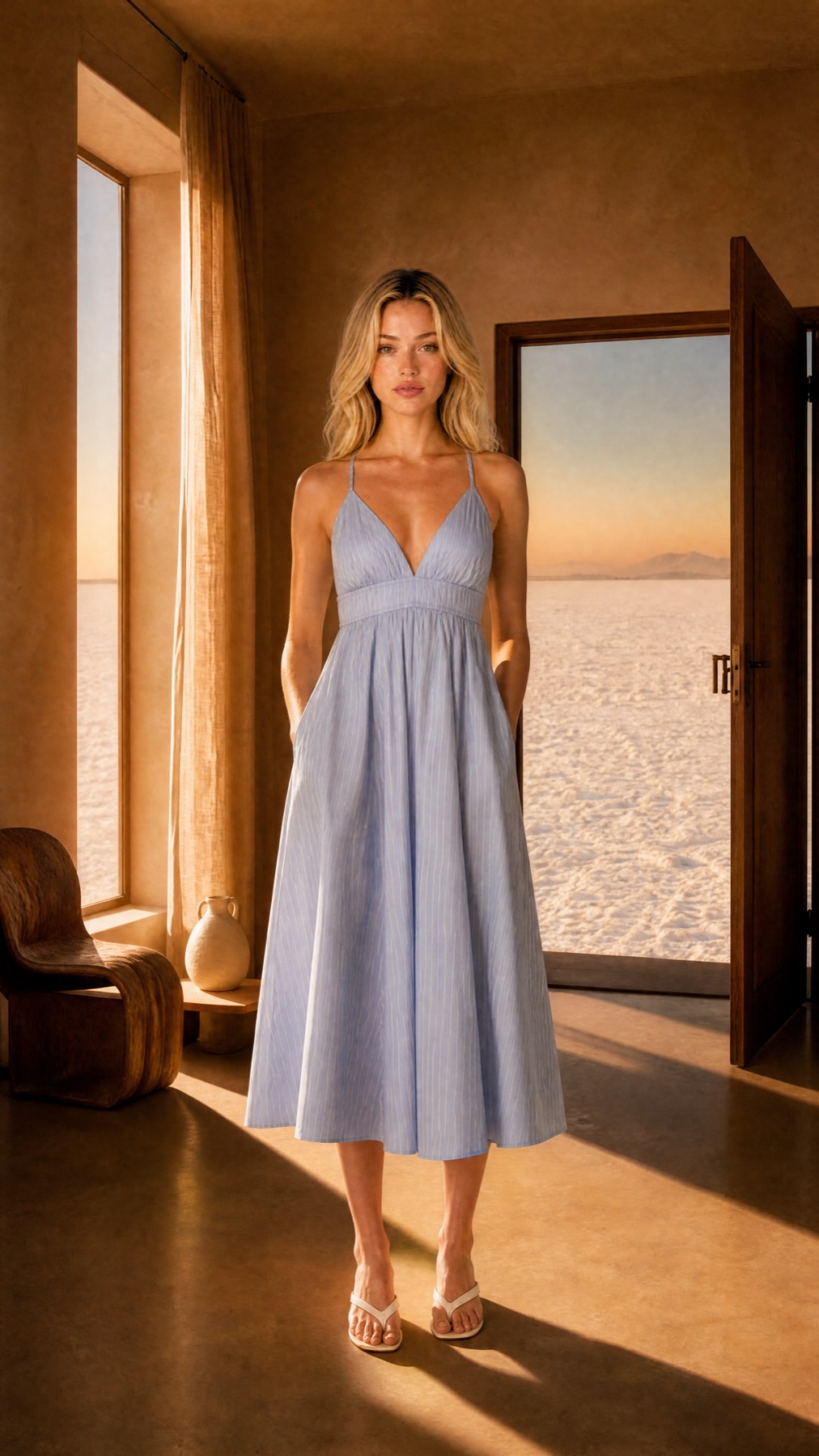
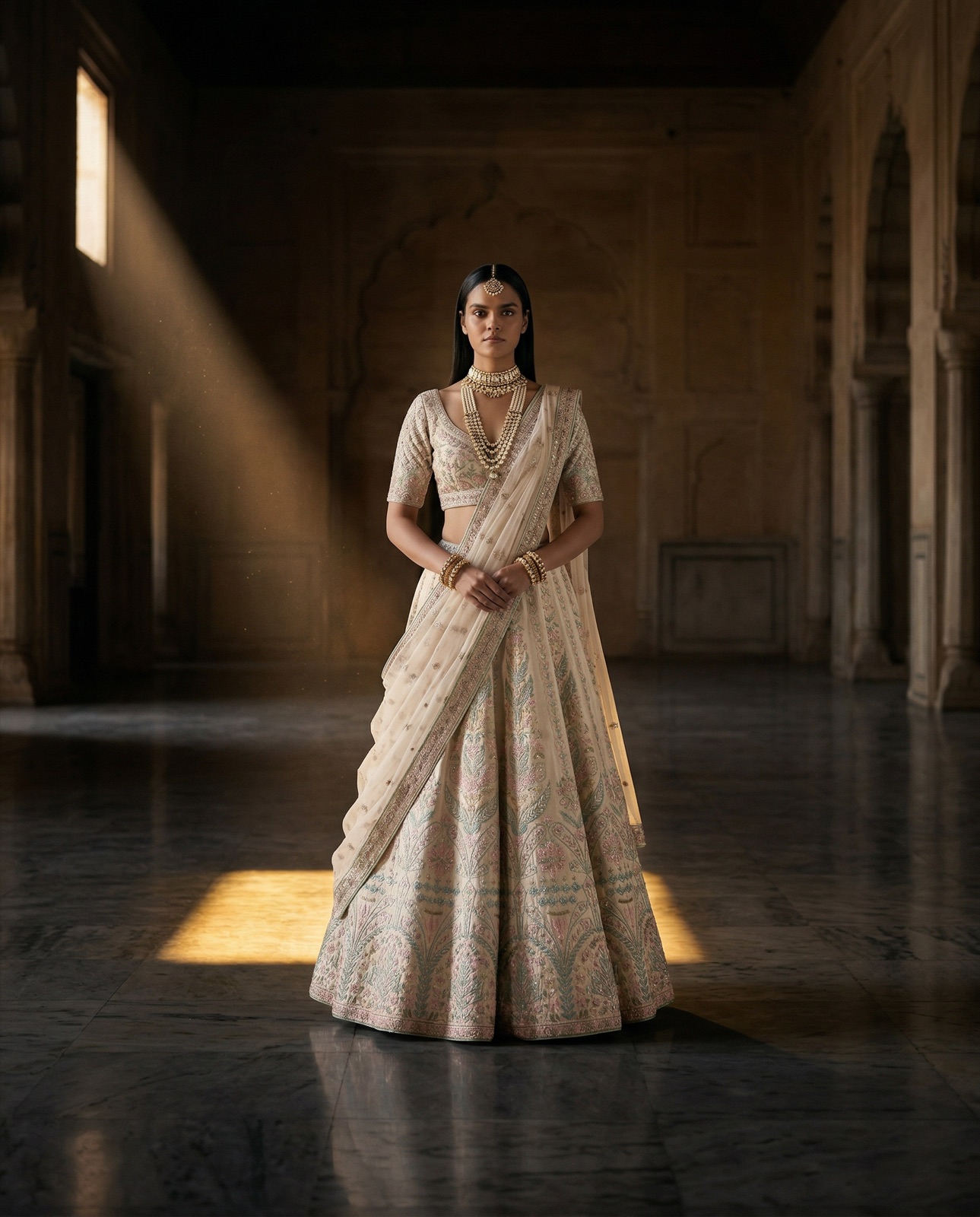
One brand spine, every surface a US label sells through — produced as one apparel creative agency engagement.

Six vendors, six house styles, and a brand that reads as six different labels.

It is the Monday after the spring line ships to the Nordstrom buyer. The brand director opens the budget tab to reconcile the season and the picture is uglier than the line sheet. A New York campaign photographer at fourteen thousand a day. An LA lifestyle shooter at a nine-thousand-a-month retainer. A freelance art director part-time, a retoucher per batch, a UGC agency on a quarterly, a designer who built the wholesale deck in a weekend. Six vendors, six invoices, six house styles. And when she scrolls the brand's own dot-com against the Shopbop product page against the Instagram grid against the deck the Saks buyer is holding, she sees the thing she has been afraid to name: it reads as six different brands wearing the same logo.

This is the structural failure of the freelance stack, and it is specific to the way US apparel brands grow. Each hire solved a real problem on the day it was made — a photographer friend at the start, a lifestyle shooter when the feed got hungry, a UGC vendor when paid social demanded volume. None was composed against a shared spine, because there was never a single owner of the spine. The customer browsing on Revolve and the buyer in a market appointment at the Neiman Marcus showroom are looking at imagery that was never coordinated to read as one world.

An apparel brand identity is not a logo and a color swatch; it is the spine every surface gets composed against. The reason to hire one apparel creative agency in the USA instead of six freelancers is not the day rate — it is the spine and the single accountable owner of it. When campaign, lookbook, editorial, dot-com and feed all come from one document, drift disappears, and the brand reads as the one thing the founder actually built.

Why the stack-of-freelancers model quietly taxes every US brand that grows on it.

The freelance stack taxes quietly, in three places the invoice never shows. The first is coordination. Every vendor needs a brief, an approval cycle, notes, a handoff and a chase. The brand director becomes an unpaid producer, spending ten to fifteen hours a week routing files between a New York photographer, an LA shooter and a retoucher who has never seen the campaign the lifestyle frames sit beside. The in-house art director, hired to make the brand, spends the season making spreadsheets.

The second tax is drift, and it hits at the bottom of the funnel where it is most expensive. When the Revolve feed, the dot-com PDP and the wholesale deck for the Bloomingdale's buyer are composed by three different hands, the brand loses the thing that compounds — recognition. The buyer underwriting an order at Neiman Marcus is pricing the brand world they see in the deck; if it reads as a different brand than the DTC presence they checked first, the order shrinks. DTC fashion brand content and wholesale imagery are not two jobs — they are one spine on two surfaces, and the stack severs them.

The third tax is speed, and it bites hardest against the US calendar. A traditional campaign — scout, permit, talent, crew, glam, weather contingency — runs six to ten weeks from brief to delivered frames. American brands run on a market calendar that does not wait: buyer appointments, the NYFW-adjacent press window, the drop dates paid social has already committed budget against. A brand that discovers the photographer's next opening is five weeks out has already lost the season. The agency-from-one-studio model exists because the stack cannot move at the speed the US apparel calendar demands.

One spine, five surfaces — the funnel an apparel creative agency owns end to end.

This is what "full-funnel" actually means in practice. Click each stage to see what one studio produces against one brand spine — from the identity that anchors everything to the feed that has to carry between drops. The same document outputs every surface a US apparel brand sells through, which is exactly why the customer reads one world and the buyer underwrites one brand.

Brand identity — the spine everything else is composed against

The engagement opens here. We ingest and lock the brand spine: the color register in Pantone-locked sRGB at under three Delta E drift, the light direction in physical units, the named environments your American customer recognizes, the casting-frame model identity, and the negative-space ratio your hero is built on. This forty-page document is the contract every later surface gets composed against. Without it, an apparel creative agency is just a more expensive freelancer.

How one studio produces a full US season against a single document.

The agency model only beats the freelance stack if the spine is real and the cadence is disciplined. The engagement opens with brand-spine ingestion — a working session with the founder or brand director and the in-house art director, walking the existing campaign, the casting frame, the color register, the named environments, the styling logic and the negative-space ratio. The output is a signed brand-spine document. From that day forward there is one source of truth, and every campaign frame, lookbook page, editorial spread, dot-com module and feed post is composed against it. This is the same discipline behind a coherent apparel brand social campaign — the feed reads as one brand only when composed against the spine the campaign hero was.

Production runs on a sprint cadence rather than a shoot day. Every two weeks the studio ships a wave across whichever surfaces the calendar needs — campaign before market, lookbook before buyer appointments, editorial before the press window, feed depth between drops. No scout, no permit, no talent-availability bottleneck and no weather contingency, which is why the full season ships in weeks against the months a traditional US studio quotes. The named-photographer destination shoot stays as a single line for the one signature moment; the agency holds everything around it. To see the cost math against US studio rates directly, the fashion campaign studio in the USA page runs the calculator.

The review loop keeps it looking like the brand and not a house style. First pass lands in the brand's DAM; the in-house art director reviews every frame against the spine — color register, light direction, negative-space ratio, casting identity, named environment — and flags anything that fails. The studio finishes the flagged frames the same week. The test is binary: would you have signed this off without notes? Because the spine is documented in physical units rather than vibes, the answer converges to yes faster every sprint, until the brand director stops being a producer and goes back to being a director.

01

One spine, one owner

The reason to hire one apparel creative agency over six US freelancers is not the day rate — it is a single brand-spine document and a single accountable owner of it. Identity, campaign, lookbook, editorial, dot-com and feed all compose against the same contract, so the brand reads as one world from the hero to the PDP.

02

Own the full funnel, not one shoot

The agency owns every surface a US brand sells through, not the once-a-season tentpole. The named-photographer destination shoot stays as one line for the signature moment; everything around it — the eighty to one-hundred-sixty frames the funnel actually needs each month — ships from one studio against one spine.

03

Kill the coordination tax

The hidden cost of the freelance stack is the in-house team becoming an unpaid production line — ten to fifteen hours a week routing files between a NYC photographer, an LA shooter and a retoucher. One studio collapses six approval cycles into one. The designer goes back to designing.

04

DTC and wholesale from one document

The same spine outputs the dot-com modules, the DTC feed, and the linesheet and deck the buyer at Nordstrom, Saks or Neiman Marcus flips through. The buyer underwrites the brand world they see; when it matches the DTC presence they checked first, the wholesale order holds its size.

05

Ship on the US market calendar

No scout, no permit, no talent calendar, no weather contingency. The sprint cadence ships the spring campaign before market, the lookbook before buyer appointments, editorial before the press window. The agency moves at the speed the American apparel calendar actually demands — weeks, not quarters.

06

It looks like your brand, by design

The spine is captured in physical units — Pantone-locked sRGB, light direction, negative-space ratio, casting identity — specifically to defeat the agency house-style trap. Every frame passes one test: would your art director sign it off without notes? The spine makes the answer converge to yes.

The three ways US apparel brands buy creative — and what each one actually costs.

Option A

The stack of US freelancers

A NYC campaign photographer at twelve to thirty thousand a day, an LA lifestyle shooter on retainer, a part-time art director, a per-batch retoucher and a quarterly UGC pack. Blended, two-hundred-fifty thousand to one-point-two million a year fully loaded — before the ten to fifteen hours a week the in-house team spends coordinating it. Each vendor is excellent; together they produce six house styles and a brand that drifts across every channel. Grows organically, never coheres.

Option B

The traditional NYC / LA agency

One roof, one account team, one day-rate model. Excellent for the once-a-season tentpole and structurally wrong for the volume a US DTC brand needs every month — campaign, lookbook, editorial and feed all billed per shoot. The retainer and project fees run high, the timelines run in quarters against a market calendar that runs in weeks, and the house style can flatten the brand into the agency's look. Coherent, slow, expensive.

100 Creatives

The brand-world studio

Identity, campaign, lookbook, editorial, dot-com and feed produced from one studio against one brand spine, on a two-week sprint, at roughly fourteen to forty-five thousand a month — one fifth the cost and ten times the speed of the traditional model. The named-photographer destination shoot stays as one line for the signature moment. DTC and wholesale ship from the same document. The brand reads as one world, and the in-house team gets to direct again.

The math against the blended US creative budget.

Put real American numbers on it. A contemporary US label at the three-to-fifty-million band assembling the funnel from freelancers spends, fully loaded, between two-hundred-fifty thousand and one-point-two million a year. Campaign photography alone — two to four shoots at NYC or LA day rates of twelve to thirty thousand, plus talent, glam, crew and post — runs one-hundred-fifty to five-hundred thousand. The lifestyle retainer adds eighty to one-hundred-forty. UGC adds sixty to one-eighty. Art direction, retouching and the wholesale deck add the rest. None of it includes the salaried in-house hours spent coordinating it, the most expensive vendor of all.

The brand-world studio closes the same funnel at roughly fourteen to forty-five thousand a month — one-hundred-seventy to five-hundred-forty thousand a year — shipping campaign, lookbook, editorial, dot-com modules and feed depth on a sprint cadence against one spine. Per frame, the funnel lands at one fifth of the blended freelance rate, with the named-photographer destination shoot kept as a single discretionary line. The CFO models one number instead of reconciling six invoices, and the number is smaller than the line items it replaces.

The second-order economics sit on the in-house calendar, and US brand directors feel them fastest. The art director stops making spreadsheets. The brand director stops routing files between coasts and goes back to directing the season. The social manager opens every sprint with the next fortnight of campaign, editorial and feed already cropped to every channel — Instagram 1:1 and 4:5, TikTok 9:16, Pinterest 2:3, email hero, dot-com modules. Those hours never appear on the invoice; they appear in a team finally building the brand instead of producing it. The apparel brand identity work is where the funnel begins, and the DTC fashion brand content engine is where it pays off at the bottom.

Apparel creative agency USA · frequent questions

What does an apparel creative agency in the USA actually do?

A full-funnel apparel creative agency in the USA owns the brand's visual output end to end — identity and positioning, the seasonal campaign, the lookbook, editorial, the dot-com module imagery, and the paid and organic feed. The difference between an agency and a stack of freelancers is the spine. A US brand juggling a photographer in New York, a stylist in Los Angeles, a retoucher in a Slack channel and a UGC pack from forty creators ends up with imagery that reads as six different brands across Nordstrom dot-com, the Shopbop linesheet and the Instagram grid. The agency produces every surface against one brand-spine document so the customer reads one world from the campaign hero to the product-on-white.

Why would a US brand pick one studio over a stack of American freelancers?

Because the stack has no spine and no single accountable owner. A US contemporary label typically runs a NYC campaign photographer at twelve to thirty thousand a day, an LA lifestyle shooter on a separate retainer, a freelance art director part-time, a retoucher per project and a UGC agency for volume. Each is excellent in isolation. Together they produce drift — the campaign reads one way, the wholesale deck for the Nordstrom buyer reads another, the Revolve feed reads a third. One studio composing every surface against one brand spine removes the drift, removes the coordination tax on the in-house team, and lands the whole season at a fraction of the blended US freelance rate.

How is this different from a traditional New York or Los Angeles creative agency?

Traditional NYC and LA agencies are built on the day-rate model — location, talent, crew, glam, photographer, assistants, post, contingency, billed per shoot. That model is excellent for the once-a-season tentpole and ruinous for the eighty to one-hundred-sixty frames a US DTC brand actually needs every month across campaign, lookbook, editorial and feed. The brand-world studio model produces the full funnel against one spine on a sprint cadence — campaign-grade imagery, lookbook, editorial and feed depth — at one fifth the cost and ten times the speed, with the named-photographer destination shoot kept for the single signature moment that genuinely needs it.

Can the agency match our existing brand or does everything come out looking the same?

It comes out looking like your brand. The engagement opens with brand-spine ingestion — the color register in Pantone-locked sRGB, the light direction in physical units, the named environments your American customer recognizes, the model identity locked to your casting, the negative-space ratio your campaign hero is built on. Every surface is composed against that spine. The agency house-style trap — where one agency is fluent in a single look and translates every client through it — is the exact failure mode the brand-spine contract was engineered to avoid. The test on every frame is whether your art director would sign it off without notes.

What does a full-funnel apparel creative agency cost in the US?

A US brand assembling the funnel from freelancers typically spends between two-hundred-fifty thousand and one-point-two million per year fully loaded — campaign shoots, lookbook, editorial, lifestyle, retouching, art direction and UGC, plus the in-house coordination time nobody books. The brand-world studio runs the same full funnel against one spine at roughly fourteen to forty-five thousand per month depending on volume and tier, one-hundred-seventy to five-hundred-forty thousand per year, shipping campaign, lookbook, editorial and feed on a sprint cadence. The named-photographer destination shoot stays as a line for the one signature moment that needs it; the agency holds everything around it.

Does the agency model work across both DTC and wholesale for US brands?

Yes — and the spine is what makes it work across both. The same brand-spine document outputs the dot-com module imagery for the brand's own site, the campaign and lifestyle layer for the DTC feed, and the linesheet and wholesale-deck imagery the buyer at Nordstrom, Saks, Bloomingdale's or Neiman Marcus flips through in a market appointment. When all three surfaces are composed against one spine, the wholesale buyer sees the same brand the DTC customer sees, which is exactly what a buyer is underwriting when they place the order. One studio, one spine, every channel a US brand sells through.

How fast can a US brand get the first campaign out the door?

The first sprint is brand-spine ingestion and the first campaign frames land inside the same two-to-three weeks. There is no location scout, no permit window, no talent-availability calendar and no weather contingency — the bottlenecks that turn a traditional US campaign into a six-to-ten-week timeline. The brand-world studio composes the campaign against the spine, ships first pass, the in-house art director reviews, the studio finishes, and the frames land cropped to every channel. A US brand that needs the spring campaign live before the buyer appointments in market gets it on a calendar measured in weeks, not quarters.

What kind of US apparel brands is this agency model built for?

American apparel labels at roughly three to fifty million in revenue running two to four campaigns per year, selling DTC and into US wholesale, with an in-house creative team of one to four people stretched across the whole funnel. Sharpest fit: contemporary women's brands at the Veronica Beard, Ulla Johnson, Staud, Reformation, Cuyana tier; heritage and elevated-classic labels at the Ralph Lauren, Buck Mason, Todd Snyder, Faherty tier; activewear and lifestyle brands at the Vuori, Outdoor Voices, Alo Yoga tier. The common thread is a brand world the founder takes seriously and a funnel too wide for a stack of freelancers to hold coherently.

Replace the stack

Bring us your whole funnel. One spine, one studio, one number.

If you are a founder, brand director or head of creative at a US apparel label reconciling six invoices and watching the brand drift across Nordstrom dot-com, the Shopbop linesheet and the Instagram grid — send us your active campaign and your casting frame. We will lock the brand-spine document in the first week and ship campaign, lookbook, editorial and feed against it on a two-week sprint, at one fifth the cost and ten times the speed of the stack you are running now. Send your brand and we'll reply with a plan — abhi@paperkites.co.

Book a creative partner call