The quick answer
Pick 100 Creatives if you run paid social for a supplement, functional food or wellness brand and need static and video ad creative written to avoid Meta's banned health claims, with a budget of $4,000 or more per engagement.
- Every engagement is quoted in writing with a fixed total, from $4,000 to $50,000+.
- Creative batches come back in 48 hours, and revisions within 48 hours.
- Copy and imagery are built to Meta's disease-claim rules, TikTok's weight-loss ban and Google's health targeting limits by default, not reviewed for compliance after the fact.
- Statics, AI video and the product imagery behind them come from one team, without booking a shoot.
Pick something else if you need a full regulatory or legal sign-off on specific health claims (a health-law consultant, not a creative studio), you need OOH, retail point-of-sale or distributor decks for a physical retail rollout (a full-service CPG branding agency), or you need a handful of ads a month and can brief them yourself (a freelancer; see our agency vs freelancer comparison).
What Meta restricts in health ads
Meta's Health and Wellness ad standard, last revised July 22, 2026 according to its change log, allows supplement and wellness ads but restricts what they claim and who sees them (Meta Transparency Center, checked October 2026). Ads for dietary, health, weight loss or weight gain products, including supplements, must target people 18 or older. General food products, protein products, general-wellbeing products such as fitness equipment and health clubs, non-permanent cosmetics such as creams and makeup, and dental products such as teeth whitening are exempt from that age rule.
The content rules are short and specific. An ad can't make a claim, even one attributed to a doctor or health organization, to cure, heal or eliminate any disease on Meta's list: diabetes, herpes, thyroid disease, psoriasis, Ebola, cancer, autism, Alzheimer's, Parkinson's, ALS and HIV. Claims about managing symptoms of those conditions fall outside that ban. Weight loss ads can't show a close-up of someone pinching fat, and no ad in the category can attack a person's appearance or body. Weight loss ads also can't claim a wearable product delivers results on its own, and skin whitening or bleaching products that permanently change skin color are barred. Meta also bars clickbait, meaning sensational language or a promise of a specific result within a set timeframe without a qualifier.
Some things people assume are banned are allowed for 18+ audiences. A supplement ad can show someone using the product and the effect, as long as it states how long noticeable results took, and cosmetic products can show a before-and-after. The same colostrum, magnesium or probiotic product can run one ad that clears review and another that doesn't, based on wording alone.
What the FTC expects on top of Meta's review
Clearing Meta's ad review is not the same as clearing US advertising law. The Federal Trade Commission's Health Products Compliance Guidance replaced the agency's 1998 dietary supplement advertising guide and covers foods, supplements, over-the-counter drugs, health equipment, diagnostic tests and health apps (FTC.gov, checked September 2026). Advertising must be truthful, and a claim about a health benefit needs competent and reliable scientific evidence behind it before the ad runs. Customer testimonials don't count as that evidence.
This is why a health and wellness ad creative brief needs an answer to "what evidence backs this claim" before a designer opens a layout. Meta's review checks the ad. The FTC's standard applies to the brand regardless of what any platform approves.
Health and wellness advertising on TikTok and Google
Most wellness brands start on Meta, so most guides stop there. TikTok and Google draw their lines in different places, and a batch built only to Meta's standard can fail on either one.
TikTok's Ad Policy Handbook for North America prohibits ads for weight loss and weight management supplements outright, naming fat-burning pills and appetite suppressants, and it prohibits ads for weight loss fasting products and services (TikTok Ads Help, checked October 2026). Meta allows that same supplement ad for an 18+ audience. TikTok also bars claims to cure, heal or prevent listed medical conditions, accepts absolute claims only with evidence or a clear disclaimer, and requires ads for pharmaceuticals, healthcare and medicines to target users 18 and older. A weight-management brand that wants TikTok reach has to lead with a product TikTok accepts, such as a protein or general food line, or keep that SKU off the platform.
Google restricts by ingredient and by targeting. Its Healthcare and medicines policy bars unapproved substances regardless of claims of legality, including supplements with active pharmaceutical or dangerous ingredients, products containing ephedra, and products that imply they work as well as prescription drugs (Google Ads policy, Healthcare and medicines, checked October 2026). Its Health in personalized advertising policy treats health as a sensitive interest category: ads about physical or mental health conditions, including chronic ones, can't use Customer Match, your data segments, audience expansion or lookalike segments, and nobody under 18 gets personalized ads (Google Ads policy, Health in personalized advertising, checked October 2026). The policy covers condition-related content, so whether a sleep or stress product falls under it depends on how the ad and landing page frame it. Settle that with your media buyer before the brief, because the framing decides both the copy and the audience.
| Rule | Meta | TikTok | |
|---|---|---|---|
| Age | 18+ for dietary, health and weight loss or gain products, supplements included | 18+ for pharmaceuticals, healthcare and medicines | No personalized ads to anyone under 18 |
| Weight loss supplements | Allowed for 18+; no fat-pinch close-ups; state the time to noticeable results | Prohibited, along with fasting products and services | hCG for weight loss barred; other ingredients checked against the unapproved substances list |
| Disease claims | No cure, heal or eliminate claims for 11 listed diseases; symptom management is outside the ban | No cure, heal or prevent claims for listed conditions | Non-approved products can't imply they're safe or effective against disease |
| Targeting with your own data | Not addressed in the Health and Wellness standard | Not addressed in the North America handbook | No Customer Match, your data segments or lookalikes for health-condition ads |
Sources: the Meta, TikTok and Google policy pages linked above, all checked October 2026.
Wellness ads by product type: what to lead with
"Health and wellness" covers products with very different rules. The table maps common product types to the platform rule that bites hardest and the creative angle we'd brief first. The rule column comes from the policies above. The angle column is our practice, not platform guidance.
| Product type | Rule that bites hardest | Angle to brief first |
|---|---|---|
| Protein, functional food and drinks | Exempt from Meta's 18+ rule as general food | Taste, format and the moment of use, with the nutrition panel as proof. More on food and beverage ad creatives. |
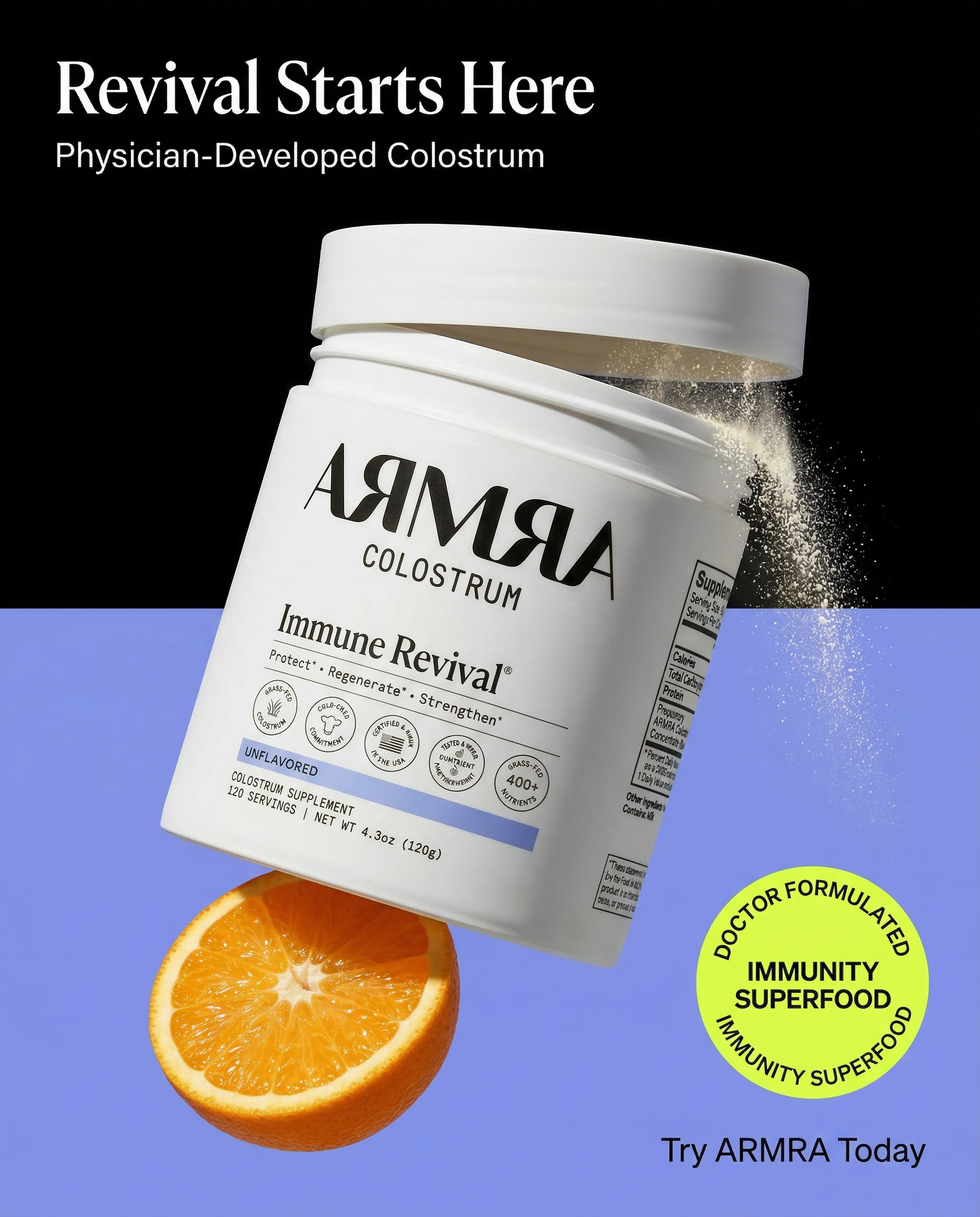
| Daily supplements (gummies, colostrum, magnesium, probiotics) | Meta 18+; FTC evidence for every benefit claim | Ingredient and dose, one structure-function line, the daily routine. More on supplement ad creatives. |
| Weight management | Supplements banned on TikTok; Meta 18+ with no fat-pinch shots | Habit and routine framing with the time to results stated; no body comparisons |
| Sleep, stress and mood | Google treats mental health conditions as sensitive for personalized ads | The wind-down ritual and the ingredient, naming a condition only when counsel has cleared the claim |
| Fitness equipment, gyms and apps | Exempt from Meta's age rule as general wellbeing | The product in use and the session it fits into |
| Sexual and reproductive health | Meta 18+, and the ad must focus on health rather than pleasure | Medical-efficacy framing, with claims cleared by counsel |
Imagery takes more rounds than copy. When we built gummy supplement ads by hand earlier in 2026, in Figma Weave with AI image models, 38 renders produced 12 usable images.
What compliant creative looks like
In practice, the ads that clear review and hold up legally share a few habits.
Structure-function language over outcome promises
"Supports gut health" describes a mechanism. "Cures your IBS" is a disease claim Meta and the FTC both restrict. The gap between those two sentences is where most rejected health ads live, and it is closable with a copy pass rather than a redesign.
Ingredient and mechanism storytelling instead of transformation shots
Close-up pinches, scale numbers and side-by-side weight-loss photos are exactly what Meta's policy targets. Ad creative built around the ingredient, the ritual of using the product, or the specific mechanism it claims to support sidesteps that category of rejection entirely, and it tends to photograph better than a stock transformation shot.
Social proof framed as individual results
A customer quote can run, but the FTC guidance says a testimonial reporting results more dramatic than buyers can generally expect is likely deceptive, and a "results not typical" line doesn't fix it. The ad needs a clear disclosure of what a typical customer can expect, or a quote whose result already sits in that range. Picking the quote is a claims decision, so it belongs in the brief, before design.

Health and wellness CPG branding agency, or an ad creative studio?
People searching for a health and wellness CPG branding agency usually need one of two different things. A branding agency builds the identity: name, packaging, retail shelf presence, the brand book. An ad creative studio takes an existing brand and turns it into a steady supply of paid social ads. Some agencies do both, and they price accordingly.
100 Creatives is the second kind. If your packaging and identity are settled and the gap is enough Meta, TikTok and Google ads to keep testing, that fits. If you're still deciding what the brand looks like, or you need packaging and retail work for a shelf launch, hire a CPG branding agency first and bring the finished brand to an ad partner after.
What 100 Creatives ships for wellness brands
100 Creatives makes static ad creative for Meta, TikTok and Google, AI video ads art-directed by our team, and the product and lifestyle imagery those ads need, without booking a physical shoot. For health and wellness brands specifically, that means copy and imagery built to the structure-function and individual-results patterns above by default, before the batch reaches Meta's review.
Every engagement starts with a brand and claims intake, covering visual language, ingredient story and any claims your own legal review has already cleared. From there it's a written quote with a fixed total before work starts ($4,000 to $10,000, $10,000 to $25,000, $25,000 to $50,000 or $50,000+), and nothing is charged until you approve it. Creative batches and revisions both come back in 48 hours. Statics are the cheaper way to test which claims-safe angle works, so a common plan is to test angles as statics first and turn the winner into video (static vs video ads covers the trade-off, and what makes a good static ad has a 10-point check for statics). Sizes and safe zones for feed and Stories are covered in static ads for Meta. See the full breakdown on ad creative agency pricing, or how volume scales by spend on how many ad creatives you need.
What 100 Creatives does not do is legal or regulatory sign-off. We write and design to the public patterns in Meta's ad standards and the FTC's guidance, which is different from a compliance attorney confirming your specific claim is substantiated. If you're making a claim beyond a well-worn structure-function statement, get that confirmed before the ad goes to production, not after it's rejected or, worse, after it runs.
Which should you buy?
DTC supplement or wellness brand
Running paid social on Meta or TikTok and need statics and video written to avoid common health-claim rejections, without adding headcount.
Making a specific health claim
Need a named claim substantiated with scientific evidence before it goes anywhere near an ad. That's a legal review, not a creative one.
Retail and OOH rollout
Need point-of-sale, distributor decks or out-of-home for a physical retail launch. That's outside what a paid-social creative partner ships.
Low, occasional volume
Need a handful of ads a month and can write and brief the compliance angle yourself. See our agency vs freelancer comparison.