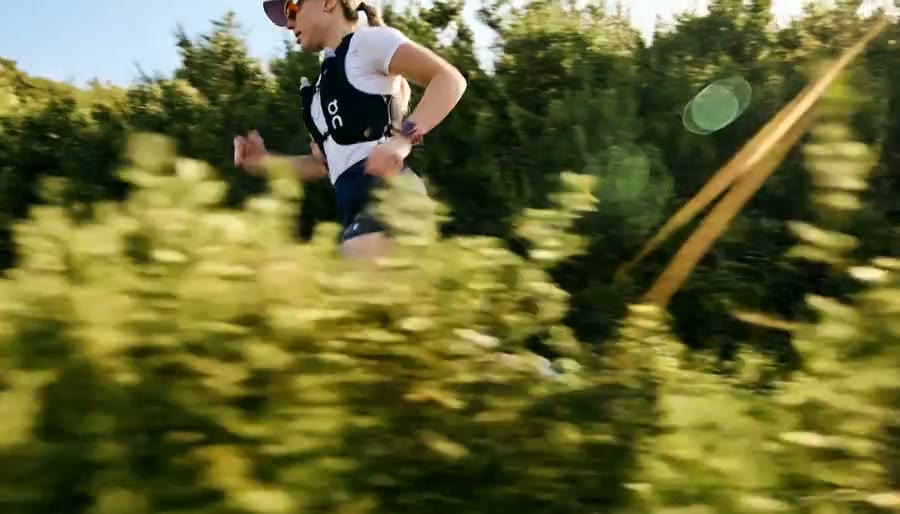
Apparel · technical outdoor gear credibility

Technical outdoor apparel photography that proves the hydrostatic head, the taped seam and the layering stack — not a summit at golden hour.

If your $650 shell's product photos look great and still can't out-argue a three-paragraph GearJunkie comparison, the problem usually isn't the jacket — it's that nothing in the photography proves it works. Technical outdoor apparel photography is the production discipline that turns a technical garment's functional claims — hydrostatic head rating, taped-seam construction, membrane breathability, layering compatibility — into images a spec-literate buyer can verify at a glance, not just a photograph of a model looking good in it. That buyer has usually already read an OutdoorGearLab test matrix, skimmed a GearJunkie head-to-head, or asked r/Ultralight whether the seam tape holds past eighteen months of use, before they ever land on your product page. A climber on a ridge at golden hour answers a question they stopped asking three tabs ago. What they need is the water-bead test at a stated 20,000mm hydrostatic head, the critical-seam macro at 300%, the pit-zip venting shown open under load, and the base-mid-shell stack proven to fit inside itself without binding at the shoulder. We build that set at technical-proof discipline, not lifestyle-campaign discipline, because the two buyers are reading for entirely different evidence.

By Abhi Chawla, founder · Last updated: 2026-09-10

The proof, not the postcard

Technical outdoor apparel composed for the buyer already comparing spec sheets — produced as technical outdoor apparel photography.

A Tuesday-morning GearJunkie comparison names your shell's seam tape as the reason it lost to a $200-cheaper competitor

It is a Tuesday morning at a nineteen-million-dollar DTC alpine and backcountry-ski apparel brand at the Voormi / Stio / Houdini Sportswear tier, or a nine-million-dollar thru-hiking and ultralight brand at the Topo Designs / Showers Pass tier competing against Arc'teryx, Patagonia, Outdoor Research, Rab and Mammut on functional credibility rather than brand heritage. The founder wakes up to a GearJunkie head-to-head comparing their flagship 3-layer shell against a competitor priced $200 lower. The writer's verdict: both jackets test out near-identical on hydrostatic head, but the competitor's product photography showed the taped seam and the pit-zip mesh under a macro lens, and this brand's did not — so the review defaults to "unverified" on construction quality and recommends the cheaper option. The shell is genuinely well built. The photography never proved it.

The brand's existing image set is a location shoot from eighteen months ago — a model traversing a ridge at golden hour, backlit, jacket zipped to the chin, shot by a photographer working in the Chris Burkard or Renan Ozturk adventure-editorial register. It is a beautiful frame. It answers zero of the questions a buyer arrives asking after reading three OutdoorGearLab comparisons and a Reddit thread on r/Ultralight about seam delamination in older Gore-Tex Pro shells. Hydrostatic head rating: not shown. Taped-seam construction: not shown. Venting mechanism under load: not shown. Pack-down size against a base layer and a mid layer: not shown. The founder has a genuinely competitive product and a photography set built to answer a different customer's question entirely.

If you are reading this from inside a technical outdoor or alpine apparel brand watching a comparison review, a GearJunkie writeup or an r/CampingGear thread cite "couldn't verify" against your own construction claims — this page is what functional-proof photography looks like in practice, and what it costs against the named-photographer expedition shoot most brands default to when they think "outdoor photography" means "photograph in the outdoors." The six proof categories, the four-to-six-week sprint, and the economics against both the expedition-shoot route and the volume-studio route are below.
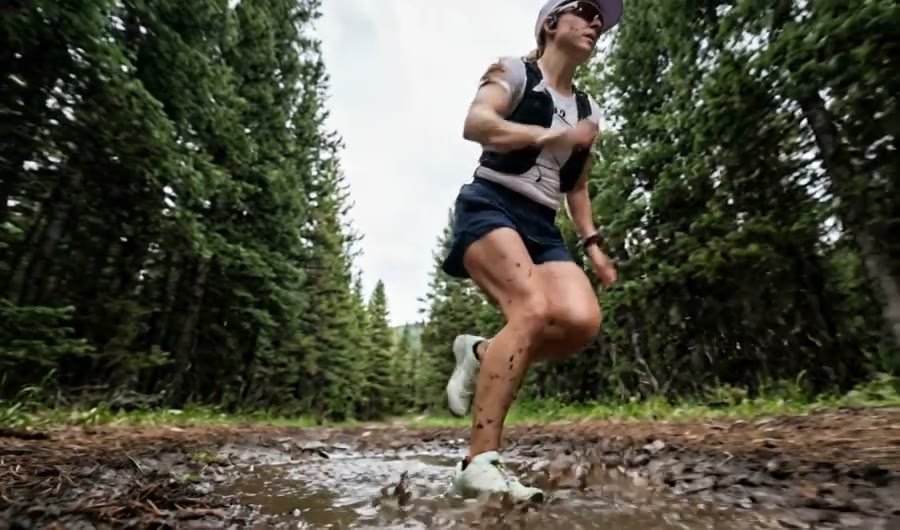
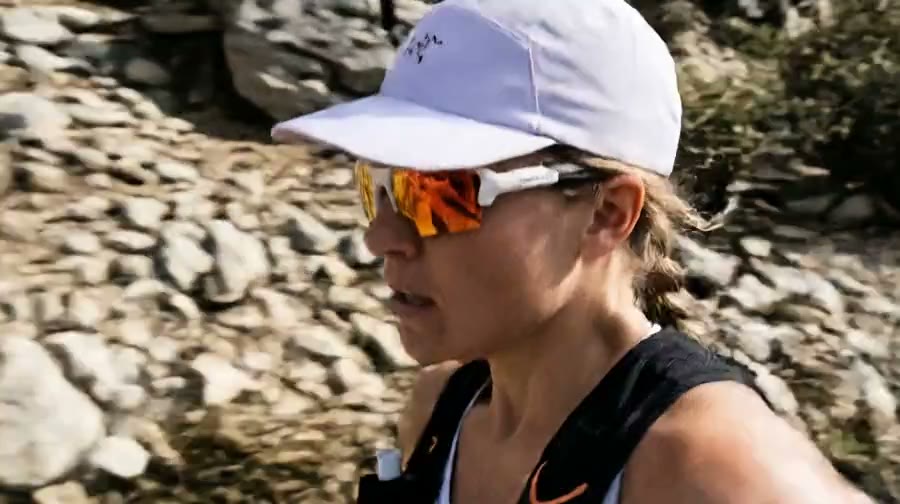
A golden-hour summit shot answers a lifestyle question. The gear-literate buyer stopped asking it three tabs ago.

Technical outdoor apparel sells to a buyer who researches differently than almost any other apparel category. Common Thread Collective's DTC funnel research across performance and outdoor categories consistently shows longer pre-purchase research windows and higher comparison-shopping rates than fashion apparel — this buyer is reading OutdoorGearLab's scored test matrices, GearJunkie's field-test writeups, Switchback Travel and Treeline Review's gear-guide rankings, and asking r/Ultralight, r/CampingGear and r/hiking whether a specific membrane or seam construction holds up over a season of real use, before a single product page loads. By the time they arrive at your PDP, the emotional sell is mostly done — a golden-hour summit portrait confirms the brand looks the part, which they already assumed. What remains unresolved is verification: does the hydrostatic head rating hold at the seam, does the membrane breathe as advertised under exertion, does the layering stack actually fit without binding at the shoulder when the arm is raised overhead.

The volume DTC studio route fails this buyer for a different reason than it fails a fashion buyer. A flat-grey-wall product shot with clean lighting and a model looking competent is not wrong, exactly — it is simply answering none of the six questions the comparison-review ecosystem has trained this buyer to ask. No water-bead test. No seam-tape macro. No membrane cross-section. No venting-under-load frame. No layering-stack proof. No packed-size reference against a scale object. The studio ships a technically competent product photo that reads as unverified the moment a buyer who has already read GearJunkie's writeup compares it against a competitor whose set includes the macro.

The named-adventure-photographer expedition route corrects the emotional register but not the verification gap. A Chris Burkard-tier or Renan Ozturk-tier or Forest Woodward-tier location shoot produces genuinely striking lifestyle frames — a skier cresting a ridge, a climber mid-pitch, a hiker silhouetted against a storm front — and those frames earn press placement in Outside, Gear Patrol and Backpacker. They do not, and are not built to, show a taped seam at 300% or a hydrostatic head test under controlled spray. The diagnosis is structural: technical outdoor apparel needs a production category that treats functional proof as its own deliverable, distinct from both the volume-studio product shot and the adventure-editorial lifestyle frame, the same way bridal apparel needs its own handwork-macro discipline or denim needs its own wash-library discipline. Our broader apparel production discipline is covered in the apparel brand identity and campaign system piece; this page covers the technical-outdoor proof overlay specifically. The related capsule-production discipline for the broader AW outerwear category — puffers, wool, leather, technical shell together — is covered in our outerwear and cold-weather campaign imagery piece, which is built for a fashion-outerwear buyer reading brand world; this page is built for a gear-literate buyer reading spec sheets, and the two sets do not overlap.

Six proof categories that turn a technical shell into a comparison-review-ready product page

01

Hydrostatic head is shown, not just stated

Every waterproofing claim gets a controlled water-bead frame — droplets shown sitting proud on the DWR-treated face fabric rather than soaking in, captioned against the garment's stated hydrostatic head rating in millimetres, whether that's a 10,000mm entry-level rating or a 28,000mm Gore-Tex Pro rating. The frame is composed at a consistent angle and light so a buyer comparing two brands' water-bead images side by side is comparing like for like, the same way OutdoorGearLab's own test photography standardizes its spray-test angle across every jacket it scores.

02

Critical seams get a 300% macro

The shoulder yoke, the hood brim and the zipper flap are where seam-tape failure shows first, so those are the three locations that get a macro frame at 300% showing continuous tape coverage with no lifted edges or visible gaps. This is the single frame most GearJunkie and OutdoorGearLab comparisons cite when scoring build quality, and it is the frame most volume DTC studios skip entirely because it requires macro equipment and a construction-literate eye, not just a clean product shot.

03

Membrane and breathability get their own detail frame

Whether the shell runs Gore-Tex Pro, Gore-Tex ePE, eVent, Polartec NeoShell, Pertex Shield or Toray Dermizax, the membrane's backer-fabric texture and any laser-cut venting perforation get their own close detail frame — the same way a denim brand photographs the weave of a selvedge cuff. A buyer weighing breathability in grams-per-square-metre-per-24-hours against a competitor's spec sheet wants to see the fabric architecture the number describes, not take the number on faith.

04

Venting is photographed open, under load

Pit zips, mesh-backed vents and two-way front zippers are functional features that a static, zipped-to-the-chin hero frame hides completely. The venting-under-load frame shows the mechanism open mid-motion — arm raised, torso rotated — proving the vent actually opens far enough to matter and that the mesh gusset doesn't gap or pull. This is the frame that answers the r/Ultralight thread question "does the venting actually work or is it decorative."

05

The layering stack is proven to fit inside itself

Base, mid and shell get composed in one frame — base visible at the collar, mid layer's loft visible at the cuff and through the open shell, the shell's cut shown accommodating both without pulling at the shoulder seam. A second frame in an overhead-reach or ski-pole-plant posture proves articulation holds under real range of motion. Sizing notes reference the brand's stated fit — regular, athletic or alpine cut — so a buyer comparing against Arc'teryx or Patagonia's own sizing can map the stack before ordering, a discipline documented at the apparel-wide level in our AI fashion models vs real models piece.

06

Packed size is shown against a scale reference

Thru-hiking, ultralight and backcountry-ski buyers weigh packed volume as heavily as they weigh performance, because pack space and gram-weight are finite budgets. A compressed-versus-deployed frame — the shell stuffed into its own hand pocket next to a standard 1-liter Nalgene bottle or a ruler for scale — answers the question Blister Review and Cleverhiker readers ask before performance is even discussed: does this actually fit in my pack.

Proof in motion, not at rest

Articulation and venting shown under real load — produced as technical outdoor apparel photography.

The expedition shoot buys atmosphere. The functional-proof contract buys the comparison review.

A named-adventure-photographer expedition shoot — alpine location, mountain guide, weather-window contingency days, permits, the Chris Burkard-tier or Renan Ozturk-tier day rate — typically runs $45,000-$95,000 for twelve to twenty usable frames. Every one of those frames is lifestyle: a figure against terrain, backlit, in motion. None are functional-proof macros, because an expedition shoot isn't built to produce them — you cannot get a controlled water-bead frame or a 300% seam-tape macro on a wind-exposed ridge at 6am with a guide watching the weather window close. The brand gets genuinely striking press-worthy imagery and a product page that still reads as unverified to the buyer reading OutdoorGearLab first.

The volume DTC studio route covers PDP imagery at $8,000-$18,000 for a season's SKU range but, per Andrew Foxwell's operator commentary on performance-category creative testing, converts noticeably worse on Meta and Google Shopping than sets that include construction-proof detail shots — because the ad creative built from studio product shots alone has nothing to say to a comparison-shopping audience beyond "here is the jacket." Clicks land on the product page and bounce back to the GearJunkie tab still open in another window.

A technical outdoor functional-proof production contract covers the full proof set — water-bead test, seam-tape macro, membrane detail, venting-under-load, layering stack, packed-size reference, plus standard PDP carousel angles — across a season's SKU range for $18,000-$38,000, landing at roughly $90-$220 per usable frame against $2,400-$4,800 per usable frame on the expedition route. The set is built to be cited, not just admired: it gives a GearJunkie or OutdoorGearLab reviewer the exact frame they'd otherwise have to shoot themselves during testing, which is the difference between a review that says "couldn't verify construction quality" and one that says "seam construction holds up to visual inspection." The broader cost mechanics of AI production against traditional studio day rates are covered in our AI photoshoot vs studio cost piece; the technical-outdoor overlay shifts the comparison because the expedition-location premium, not the studio premium, is the number this category actually competes against.

Named-photographer expedition shoot vs volume DTC studio vs functional-proof production contract

Tier 1

Named-adventure-photographer expedition shoot

$45,000-$95,000 for twelve to twenty lifestyle frames at genuine adventure-editorial register — a figure against terrain, backlit, in motion, in the Chris Burkard or Renan Ozturk tradition. Earns press placement in Outside, Gear Patrol and Backpacker. Produces zero functional-proof frames — no water-bead test, no seam-tape macro, no venting-under-load, no layering-stack proof — because a weather-exposed location shoot isn't built to produce controlled detail work. The product page still reads as unverified to a buyer who has already read a comparison review.

Tier 2

Volume DTC studio, product-shot only

$8,000-$18,000 for clean PDP coverage of a season's SKU range. Technically competent, evenly lit, unremarkable in every way that matters to a gear-literate comparison shopper. No seam macro, no membrane detail, no water-bead test, no venting proof. Converts worse on comparison-shopping traffic per Andrew Foxwell's operator commentary on performance-category creative, because the ad and the PDP have nothing to say beyond "here is the jacket" to a buyer already three tabs deep in a spec comparison.

Tier 3

Functional-proof production contract (us)

$18,000-$38,000 across a season's SKU range covering the full six-category proof set — water-bead test at stated hydrostatic head, 300% seam-tape macro, membrane detail, venting-under-load, layering-stack proof, packed-size reference — plus standard PDP carousel angles. Roughly $90-$220 per usable frame against $2,400-$4,800 on the expedition route. Built to be the frame a GearJunkie or OutdoorGearLab reviewer would otherwise have to shoot during their own testing. Four to six weeks from SKU list lock to delivery.

Where functional-proof photography applies across the technical outdoor landscape

Alpine and backcountry-ski apparel sits at the Voormi wool-hybrid tier, the Stio contemporary-technical tier, the Houdini Sportswear Scandinavian-technical tier, the Klättermusen expedition tier and the Ortovox merino-alpine tier, competing directly against Arc'teryx Beta AR and Alpha SV, Patagonia DAS Parka and Torrentshell, Norrøna Lofoten and Trollveggen, Mammut Alto and Nordwand, and Black Diamond's technical shell line. This tier's buyer reads Blister Review and OutdoorGearLab ski-touring comparisons closely, weighs hydrostatic head against breathability rating on a table before choosing, and treats a missing seam-tape macro as a real gap in the listing rather than a minor omission. Revenue band roughly eight-to-thirty-five-million-dollar DTC, sold direct plus through REI, Backcountry and evo where the wholesale listing sits next to the brand's own comparison chart.

Thru-hiking and ultralight apparel sits at the Topo Designs contemporary-technical tier, the Showers Pass rain-shell tier and the emerging cottage-industry tier that sells largely through direct channels and community word of mouth on r/Ultralight and r/WildernessBackpacking, competing against Outdoor Research Helium, Rab Cirrus and Patagonia's ultralight Houdini line. This buyer is the most spec-literate segment in the category — pack-weight and packed-volume claims get checked against a kitchen scale before a single review is trusted, and a listing without a packed-size reference frame reads as incomplete regardless of how good the fabric actually is. Revenue band roughly three-to-fifteen-million-dollar DTC, sold overwhelmingly direct-to-consumer with Backcountry and Garage Grown Gear as the primary wholesale channels.

Trail-running and mountain-running technical apparel sits at the Cotopaxi lightweight-technical tier and the emerging performance-running DTC tier competing against Salomon, Black Diamond's running-adjacent line and Patagonia's trail range, where the buyer researches through Cleverhiker, Switchback Travel and Treeline Review comparison guides and cares most about venting-under-load and layering-stack fit because the garment is worn at exertion, not at rest. The activewear-adjacent production discipline this tier shares with performance apparel more broadly is covered in our activewear campaign imagery for performance apparel brands piece; the outdoor-specific overlay here adds the weatherproofing and packed-size proof that pure activewear doesn't need to carry.

Four to six weeks from SKU list lock to a comparison-review-ready asset pack

Week one is the spec-proof document. We read the brand's SKU list against its own technical design specs — hydrostatic head rating, denier, membrane type (Gore-Tex Pro, Gore-Tex ePE, eVent, Polartec NeoShell, Pertex Shield, Toray Dermizax), taped-seam locations, venting mechanism and stated layering fit per SKU — and the brand's product or technical design lead countersigns the document before a single frame is composed, so the photography set only ever shows what the brand can actually defend in a comparison review. This is the discipline that separates functional-proof photography from a volume studio guessing at what "technical" should look like: nothing gets photographed as proof of a claim the brand can't stand behind if a GearJunkie writer calls to fact-check it.

Weeks two and three produce the core proof set per SKU against the countersigned document — the water-bead test at the stated hydrostatic head, the seam-tape macro at the three highest-risk locations, the membrane or backer-fabric detail frame, and the venting-under-load frame composed mid-motion rather than static. Weeks two and three run in parallel with a smaller casting pass than a lifestyle shoot needs, because the proof frames are largely detail and macro work rather than full-figure portraiture.

Week four adds the layering-stack composition — base, mid and shell in one frame proving fit without binding, plus the articulation frame in an overhead-reach or ski-pole-plant posture — and the packed-size reference against a standard scale object. Standard PDP carousel angles round out the per-SKU set so the six proof categories sit alongside conventional product photography rather than replacing it.

Weeks five and six are QC against the spec-proof document and DAM delivery. Every frame gets checked against the number it was composed to prove — does the water-bead frame actually correspond to the stated hydrostatic head, does the seam macro show the location the spec document named, does the layering frame use the brand's own stated fit terminology — before the asset pack ships ahead of the season's launch window and any embargo coordination with GearJunkie, OutdoorGearLab or Switchback Travel for launch-week coverage. The cadence this hands off into for ongoing seasonal drops is covered in our seasonal drop photography workflow piece, and brands weighing an in-house production partner against a freelancer for this level of technical discipline should read our creative agency vs freelancer comparison before deciding who builds the spec-proof document in the first place.

The expedition shoot is the instinct. The proof contract is what the buyer actually reads.

Technical outdoor brands default to the expedition shoot because "outdoor photography" sounds like it should mean "photograph the gear outdoors, doing the thing it's for." That instinct isn't wrong about the category's aesthetic — adventure-editorial imagery genuinely earns press coverage and brand-world credibility the way a Chris Burkard or Renan Ozturk frame does for Patagonia or Arc'teryx at scale. It's wrong about the funnel. The founder who books the $45,000-$95,000 expedition shoot gets a hero image and twelve supporting frames, and still ships a product page that reads as unverified the moment a comparison-shopping buyer who has already read a GearJunkie writeup lands on it looking for the seam-tape macro that isn't there.

The functional-proof production contract replaces that instinct with a six-category proof set built for exactly how this buyer actually researches: the water-bead test that answers the hydrostatic head question, the seam macro that answers the durability question, the membrane detail that answers the breathability question, the venting-under-load frame that answers the "is it decorative" question, the layering stack that answers the fit question, and the packed-size reference that answers the pack-space question. None of these frames are hard to produce once the spec-proof document exists — the reason volume studios and expedition shoots both skip them isn't difficulty, it's that neither production model was built with this buyer in mind. A studio optimizes for clean and fast. An expedition shoot optimizes for atmosphere. This contract optimizes for the six questions a GearJunkie comparison actually asks, at a fraction of what the location route costs for far less usable coverage. The wider case for production-grade AI photography against named-photographer day rates generally sits in our best AI product photography agency for DTC brands piece.

Technical outdoor apparel photography — questions a gear-literate buyer already has answered before they land on your PDP

What is technical outdoor apparel photography?

Technical outdoor apparel photography is the production discipline that turns a technical garment's functional claims — hydrostatic head rating, taped seam construction, membrane breathability, layering compatibility — into images a spec-literate buyer can verify at a glance, rather than a photograph of a model simply looking good in it. It produces the water-bead test at a stated hydrostatic head, the critical-seam macro at 300%, the membrane cross-section, the pit-zip venting frame shown open under load, and the base-mid-shell layering stack proven to fit inside itself without binding at the shoulder. The set is built for a buyer who has already read a GearJunkie or OutdoorGearLab comparison, or asked r/Ultralight whether the seam tape holds, before landing on the product page.

Why does golden-hour summit photography fail to sell technical outdoor gear?

A model on a ridge at golden hour answers a lifestyle question — does this look good outdoors — that a gear-literate buyer has usually already stopped asking. By the time that buyer reaches a product page for a $650 shell or a $340 alpine softshell, they have typically compared hydrostatic head ratings across three brands on OutdoorGearLab, read a GearJunkie field-test writeup, or asked r/Ultralight and r/CampingGear whether the seam tape delaminates after repeated use. None of those questions get answered by a well-lit summit portrait. The photography needs to show the water beading at a stated rating, the taped seam under macro, the membrane holding shape, and the layering stack — evidence, not atmosphere.

What does a technical outdoor functional-proof photography set actually include?

A complete set covers six categories of proof: the water-bead or spray test at a stated hydrostatic head in millimetres, the critical-seam macro at 300% showing the taped construction at the shoulder and hood, the membrane cross-section or backer fabric detail that shows breathability architecture, the venting system (pit zips, mesh gussets) shown open under simulated load, the base-mid-shell layering stack composed to prove the shell fits over the mid layer without binding at the shoulder seam, and a packed-versus-deployed frame showing compressed pack size against a scale reference. Each frame answers one specific comparison-review question rather than composing a single hero image and hoping it covers all six.

How is waterproofing demonstrated in a photograph rather than just claimed?

Waterproofing is shown, not asserted, through three linked frames. First, a controlled water-bead test where droplets are shown sitting proud on the DWR-treated face fabric rather than soaking in, captioned against the garment's stated hydrostatic head rating in millimetres. Second, a spray or submersion frame at the critical seam — the shoulder yoke, the hood brim, the zipper flap — where failure is most likely, shown holding beadwork under stress rather than only on flat fabric. Third, the taped-seam macro at 300% showing continuous tape coverage with no visible gaps or lifted edges. A buyer comparing a 20,000mm-rated shell against a 28,000mm Gore-Tex Pro shell wants to see the seam, not just read the number.

How does the layering system get photographed so a buyer trusts the stack?

The layering system is composed as one frame showing base, mid and shell fitting inside each other without binding — the base layer visible at the collar, the mid layer's loft visible at the cuff and through the open shell, the shell's cut shown accommodating both without pulling at the shoulder seam or restricting arm raise. A second frame typically shows the same model in an overhead-reach or ski-pole-plant posture to prove the articulation holds under real range of motion, not just at rest. Sizing notes reference the brand's stated fit — regular, athletic or alpine cut — so a buyer comparing against Arc'teryx or Patagonia sizing can map the stack accurately before ordering.

What does a technical outdoor production contract cost against a named-photographer expedition shoot?

A named-adventure-photographer expedition shoot — alpine location, mountain guide, weather-window contingency days, permits — typically runs $45,000-$95,000 for twelve to twenty usable frames, most of which are lifestyle and none of which are functional-proof macros, because that coverage isn't what an expedition shoot is built to produce. A technical outdoor functional-proof production contract covers the full PDP set — water-bead test, seam macro, membrane detail, venting-under-load, layering stack, packed-size reference — across a season's SKU range for $18,000-$38,000, landing at roughly $90-$220 per usable frame against $2,400-$4,800 per usable frame on the location shoot.

What brand tiers does technical outdoor functional-proof photography apply to?

It applies to DTC alpine and expedition brands at the Voormi, Stio, Houdini Sportswear, Klättermusen and Ortovox-adjacent tier competing against Arc'teryx, Patagonia, Outdoor Research, Rab, Mountain Hardwear, Mammut, Norrøna, Black Diamond and Marmot on functional credibility rather than brand heritage. It also applies to backcountry-ski, thru-hiking and ultralight brands at the Cotopaxi, Topo Designs and Showers Pass tier where the buyer reads Blister Review, Switchback Travel, Treeline Review, Cleverhiker and r/Ultralight comparison threads before purchase. Revenue band roughly three-to-thirty-five-million-dollar DTC, sold through the brand's own site plus REI, Backcountry, Moosejaw and evo wholesale channels where buyer-facing spec sheets sit next to the product image.

How long does a technical outdoor gear photography sprint take from SKU list to launch?

Four to six weeks from SKU list lock to full asset delivery. Week one is the spec-proof document — hydrostatic head rating, denier, membrane type, taped-seam locations, venting mechanism and layering fit per SKU, countersigned by the brand's product or technical design lead so the photography set matches what the brand can actually defend in a comparison review. Weeks two and three produce the core proof set per SKU: water-bead test, seam macro, membrane detail, venting-under-load and layering stack. Week four adds packed-size reference frames and PDP carousel angles. Weeks five and six cover QC against the spec document and DAM delivery ahead of the season's launch window.

Prove the gear, not just the model

Bring your SKU list to a gear-proof photography call.

A thirty-minute conversation on the spec-proof document — hydrostatic head rating, membrane type, taped-seam locations, venting mechanism and layering fit per SKU — and the four-to-six-week sprint from SKU list lock to a comparison-review-ready asset pack. Bring the SKU list and the last GearJunkie or OutdoorGearLab comparison your brand showed up in, good or bad. We will read it the way that reviewer did.

Book a gear-proof photography call