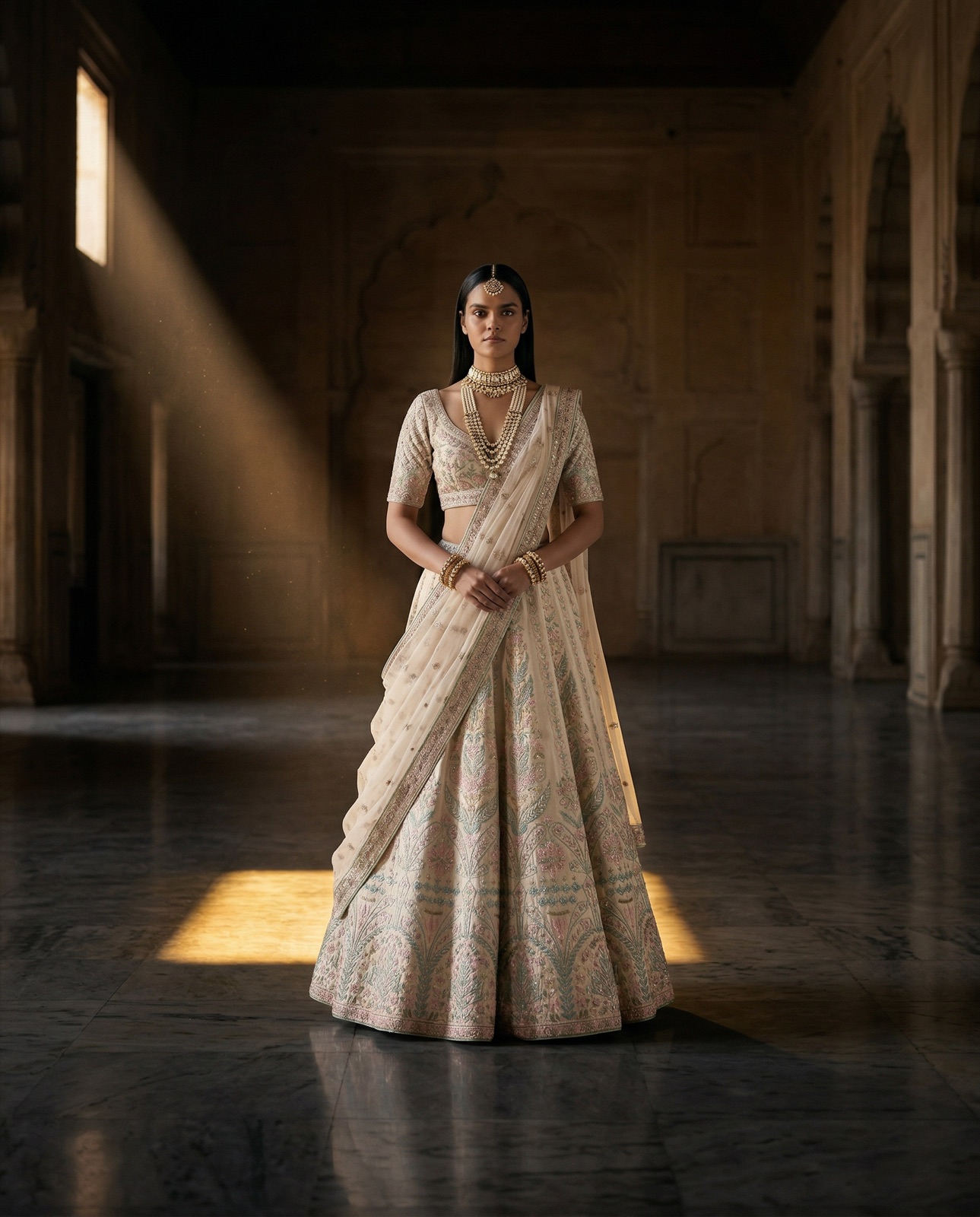
Apparel · costume, cosplay and character apparel

Costume and cosplay apparel campaign photography that clears licensor approval, proves the seam and lands before the con, not a moody hallway shot the license desk bounces back.

Costume and cosplay apparel campaign photography answers a question a generic lifestyle shot never gets close to: does the frame clear the studio's own style guide, does it survive the pixel-level scrutiny the cosplay community applies to every seam within hours of posting, and does it ship before the fixed date on the convention calendar. Costume and cosplay apparel campaign photography is the production discipline a licensed fandom-fashion or convention-grade costume brand uses to prove three separate specs from one shoot: a licensor-approval reference frame matched to the studio's style guide, a construction-accuracy macro at the seam and panel line, and a convention-drop lineup that ships before San Diego Comic-Con, Anime Expo or Dragon Con moves the audience's attention to whatever character comes next. A named production house routing stills through a licensor's approval desk quotes $35,000 to $70,000 for a hero and a short lifestyle set. The three-spec contract covers licensor-approval reference through convention-drop lineup at $14,000 to $29,000.

By Abhi Chawla, founder · Last updated: 2026-09-14

The seam is the first spec

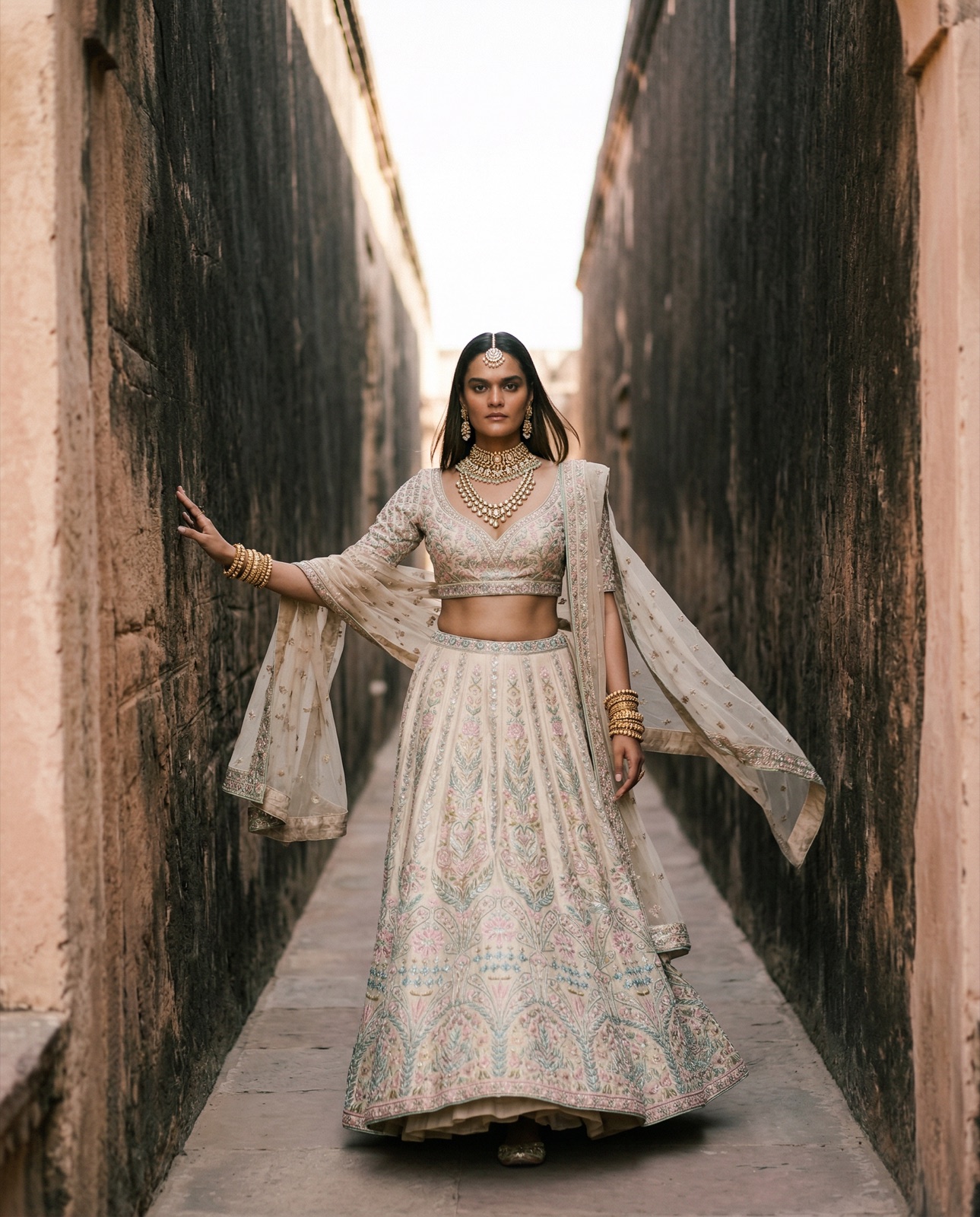
Atelier-grade embellishment fidelity applied as reference to the construction-accuracy macro, produced as costume and cosplay apparel campaign photography.

Early June at a $6M costume apparel brand five weeks from the San Diego Comic-Con floor

It is the first week of June at a six-million-dollar costume and cosplay apparel brand sitting in the Cakeworthy adjacency tier, licensed for a capsule tied to a summer blockbuster and wholesaling roughly a third of its volume into Hot Topic and BoxLunch, the rest direct through its own site and a July convention booth. The founder has five weeks until San Diego Comic-Con, the single week each July where the brand's entire summer capsule either lands with the fandom or doesn't. The hero image the in-house team shot and submitted three weeks ago just came back from the licensor's approval desk rejected: the jacket's silhouette read roughly one size looser than the character bible's proportion guide allows, a detail nobody on the shoot noticed because the model looked great in frame.

The rejection costs the full ten-to-fifteen-business-day review cycle again, which now eats most of the five weeks left. The founder also remembers what happened with last year's capsule: a construction detail on the jacket's shoulder seam didn't match the official concept art closely enough, and a thread on the brand's own community Discord picked it apart within six hours of the product photo going live, well before SDCC weekend arrived. Nobody on the team had shot a macro frame tight enough to check the seam themselves before it posted.

If you are reading this from inside a two-to-fifteen-million-dollar costume, cosplay or character apparel brand carrying an active studio license or a fixed convention date, this is what the three-spec shot list looks like in production: the licensor-approval reference frame, the construction-accuracy macro, and the convention-drop lineup. The math, the eight-to-ten-week sprint, and what changed after the rejection are below.
Costume apparel answers to three separate judges at once. A generic lifestyle shot satisfies none of them.

Most costume and cosplay brands default to the shot every apparel category defaults to: a model in full costume against a moody, atmospheric backdrop, lit for drama, reading aspirational the way a lifestyle photo is supposed to. It photographs well and answers none of the three questions actually deciding whether the drop lands. The first question belongs to the licensor's approval desk, checking the frame against the studio's own style guide for silhouette proportion, colorway accuracy against the character bible, and any logo or insignia placement. A dramatically lit three-quarter angle can hide exactly the proportion drift a style guide is built to catch, which is how a rejection costs a brand its entire review-cycle buffer three weeks before a fixed convention date.

The second question belongs to the cosplay community itself, and it is the question a lifestyle shot answers worst. The community does not evaluate a costume the way a general apparel shopper evaluates a jacket. It zooms into the seam placement, the panel lines, any weathering or distressing pattern, and the articulation points at the joints, screenshotting and comparing against official concept art within hours of a product photo posting, often on the brand's own Discord or a subreddit built specifically for that fandom. A full-body hero shot proves the costume exists. It says nothing about whether the construction underneath matches the reference the community already has memorized, which is precisely the gap behind the seam complaint that cost last year's capsule its early momentum.

The third question belongs to the convention calendar, a constraint almost no other apparel category carries in the same form. San Diego Comic-Con, Anime Expo and Dragon Con each sit on a fixed date the brand cannot move, and a character's cultural relevance cycles to whatever movie, show or game releases next once that weekend passes. A lineup that ships two weeks late has not just missed a shoot date, it has effectively missed the season the capsule was built for. Costume apparel needs all three specs proven from one production: the licensor-approval reference, the construction macro, and the convention-drop lineup, not one dramatic hero frame asked to carry all three.

The production house buys a hero. The three-spec contract buys the approval.

The named production house route, staffed with licensed-apparel photography experience, quotes $35,000 to $70,000 for a hero and a short lifestyle set, roughly $2,200 to $4,800 per usable frame once travel, styling and model booking are folded in. It reliably delivers imagery that performs on social the week it ships. It does not reliably deliver a reference frame pre-checked against the studio's own style guide before submission, which is how a proportion drift nobody caught in frame turns into a rejected review round and a five-week runway shrinking to three.

The volume DTC apparel studio route extended into costume covers a flat, PDP-ready lineup across every character and colorway at $18,000 to $38,000, shot fast and consistently against a clean background. The online store gets a coherent lineup on schedule. The licensor-approval reference frame and the construction-accuracy macro are both absent, because a volume studio's flat-lighting setup was never built to pre-check a style guide or hold a seam-level crop, and Common Thread Collective's research into DTC apparel returns behavior has repeatedly flagged fit-and-construction expectation mismatch, a garment that photographs one way and arrives built another, as a leading driver of return requests and community backlash in categories judged on exact replica accuracy.

The three-spec contract covers the full production, licensor-approval reference through convention-drop lineup, at $14,000 to $29,000. The brand-spine document is the first deliverable: the style-guide proportion and colorway standard named per character against the studio's own reference art, the construction detail list the community will check first, and the review-cycle buffer locked into the calendar before a single frame ships to the licensor. Per-frame economics land at $65 to $150 against named-production-house $2,200 to $4,800. The broader per-frame walk across apparel categories lives in our vendor vetting piece, useful reading for any brand choosing a partner for imagery a licensor will actually review.

Named production house vs volume DTC studio vs the three-spec contract

Tier 1

Named production house

$35k-$70k for a hero and a short lifestyle set with licensed-apparel photography experience. The hero performs on social the week it ships. The licensor-approval reference frame, the construction-accuracy macro and the full convention-drop lineup all fall outside the frame count, leaving proportion and construction checks to whoever reviews the images before submission.

Tier 2

Volume DTC studio extended into costume

$18k-$38k for a flat, PDP-ready lineup across every character and colorway, shot fast and consistently. The online store gets a coherent lineup on schedule, but the licensor-approval reference frame and the construction-accuracy macro never get shot, and the fit-and-construction expectation gap Common Thread Collective ties to returns never gets closed.

Tier 3

The three-spec contract (us)

$14k-$29k for the full production, licensor-approval reference through convention-drop lineup, with the brand-spine document naming the style-guide proportion standard, the construction detail checklist, and the review-cycle buffer built into the calendar. Per-frame economics land at $65-$150 against named-production-house $2,200-$4,800. Eight-to-ten-week sprint from license lock to the convention floor.

The lineup, not the hallway shot

The convention-drop register a fandom actually compares against concept art, held across every character.

What the three-spec contract looks like across the costume and cosplay landscape

Officially licensed fandom-fashion labels sit in the Her Universe, Elhoffer Design and Cakeworthy adjacency tier, licensed by studios such as Disney, Marvel, Lucasfilm, Bandai Namco or Crunchyroll and wholesaling into Hot Topic and BoxLunch alongside their own DTC channel. The licensor-approval reference frame carries the most weight here, because a rejected style-guide submission does not just delay a DTC drop, it can delay the wholesale sell-in sheet a retail buyer is waiting on. Revenue band roughly five to fifteen million, the tier every smaller convention-circuit brand is implicitly measured against once a license enters the picture.

Convention-grade costume and soft-armor replica makers sell direct to the cosplay community through their own site and a booth at San Diego Comic-Con, Anime Expo, Dragon Con or MomoCon, often building original character interpretations or working under a narrower, less formal licensing arrangement than a Hot Topic-scale wholesale label. The construction-accuracy macro carries the most weight here, since this is the audience most likely to screenshot a seam and post it before the brand's own marketing team has seen the comment. Revenue band two to eight million, DTC-first, growing a convention booth presence season over season.

A third register sits between the two: brands with a capsule tied to a specific, dated release, a show's season premiere or a game's launch week, where the convention-drop calendar carries the most weight of all three specs. The capsule has to exist before the fandom's attention window opens and close cleanly before it moves to whatever comes next, which is the same fixed-date discipline our market-week production sprint work applies to a wholesale line list locked against a trade-show floor date rather than a convention weekend.

Six rules that keep a drop clear of both the licensor's desk and the community's zoom

01

The licensor-approval frame is shot first, not last

Silhouette proportion and colorway are checked against the studio's own style guide before a single frame is submitted for review, so the first round is the one that clears rather than the second or third eating into a fixed convention timeline.

02

Construction accuracy gets its own macro, not a flattering angle

The seam, the panel line, any weathering pattern and the articulation points are photographed at a crop tight enough for the cosplay community to verify against concept art, since a full-body hero proves the costume exists and nothing about whether it was built right.

03

The convention-drop lineup is lit identically across every character

Same background, same lighting setup, every colorway and character in the season's capsule, so the online store and the convention booth both read as one coherent drop rather than a patchwork shot across different sessions.

04

The licensor's review window is a hard calendar buffer

Ten to fifteen business days per submission round is scheduled into the production calendar from day one, not discovered the week a rejection arrives with five weeks left until the convention floor.

05

Wig, prop and skin-tone matching are planned before the shoot

Screen-accurate hair color, skin tone and prop finish are locked in the brand-spine document ahead of time, rather than corrected in retouch after a frame has already been submitted for licensor review once.

06

The convention date sets the production calendar backward

San Diego Comic-Con, Anime Expo and Dragon Con each sit on a fixed date the brand cannot move, and the full sprint, from license lock through retoucher QC, is scheduled backward from that date rather than forward from whenever the shoot gets booked.

Eight to ten weeks from license lock to the convention floor

Weeks one and two lock the brand-spine document. The style-guide proportion and colorway standard is named per character against the studio's own reference art, the construction detail checklist the community will check first is written down, and the wig, prop and skin-tone matching plan is locked before anyone books a model. The founder or licensing lead signs off before a single frame is composed, the same discipline that keeps the reference frame, the construction macro and the lineup reading as one coherent spec set through the rest of the sprint.

Weeks three through five shoot and submit the licensor-approval reference frame and the construction-accuracy macro, with a full ten-to-fifteen-business-day review buffer built into the calendar from the start rather than discovered after a rejection.

Weeks six through eight shoot the full convention-drop lineup across every remaining character and colorway, lit identically against a consistent background so the online store and the booth read as one drop.

The final week closes retoucher QC and stages the finished set for the convention booth, the DTC drop and any wholesale sell-in sheet together, so the fandom-facing launch and the retail buyer's catalog run off one shared spec document instead of two disconnected shoots.

The production house is the legacy unit. The three-spec contract is the modern one.

Costume brands default to the named production house because it is the cleanest line item to defend in a spring planning meeting: book a team with licensed-apparel experience, land a hero that performs the week it ships, and walk into the review process assuming professional photography will clear it. The unit economics break at the two layers that actually decide whether a capsule lands, because a hero and a short lifestyle set were never built to pre-check a style guide before submission or to hold a seam-level crop the community will screenshot within hours, and neither the licensor's proportion standard nor the community's construction expectation, the two things actually deciding whether the drop is trusted, gets proven at all.

The three-spec contract works from what the licensor and the community are each checking at the point of decision: does the silhouette and colorway match the style guide, and was the costume actually built to the reference the fandom already has memorized. The brand-spine document writes both standards down once, and every subsequent frame, reference, macro, lineup, composes against that same proportion-and-construction standard instead of whatever the in-house team can assemble between a rejection and the convention floor.

The contract also replaces the volume DTC studio route, which ships a clean lineup on schedule but never proves the two claims a production house was supposed to make in the first place. Brands weighing a named production house against building this in-house should also read our guide to vetting an AI photography vendor for apparel brands and our collab and capsule campaign imagery piece, since a licensed costume capsule is structurally closer to a limited-run collab than to a standard seasonal drop. The site-wide anchor for how this fits against every other apparel contract we run is our best AI product photography agency for DTC brands piece, and the graphic-heavy, community-scrutinized register this category shares with band merch and archival sportswear is covered further in our streetwear editorial piece.

Costume and cosplay apparel, questions the licensor's approval desk leaves open

What is costume and cosplay apparel campaign photography?

Costume and cosplay apparel campaign photography is the production discipline a licensed fandom-fashion or convention-grade costume brand uses to ship three separate proof points a generic lifestyle photo cannot carry: a licensor-approval reference frame matched to the studio's own style guide, a construction-accuracy macro tight enough for the seam and the panel line, and a convention-drop lineup that ships before the audience's attention moves to the next character. A brand-spine document locks all three specs, and the licensor's review timeline, before a single frame is composed. The contract replaces a $35,000-to-$70,000 named production house with the full three-spec set at $14,000 to $29,000.

Which costume and cosplay apparel brands fit this contract?

Officially licensed fandom-fashion labels in the Her Universe, Elhoffer Design and Cakeworthy adjacency tier, licensed by studios such as Disney, Marvel, Lucasfilm, Bandai Namco or Crunchyroll and wholesaling into Hot Topic and BoxLunch alongside their own DTC channel. Convention-grade costume and soft-armor replica makers selling direct to the cosplay community through their own site and a booth at San Diego Comic-Con, Anime Expo, Dragon Con or MomoCon. Revenue band two to fifteen million where at least one active license or a fixed convention date governs the production calendar.

Why does a standard licensed-apparel photoshoot fail here?

A named production house with licensed-apparel experience quotes $35,000 to $70,000 for a hero and a short lifestyle set, and that budget buys imagery that performs on social the week it ships. It does not reliably buy a reference frame pre-checked against the studio's own proportion and colorway guide before submission, which means the first review round often bounces the hero back, and it rarely buys a construction-accuracy macro at the seam and panel line the cosplay community checks within hours of a post going live. A flattering three-quarter shot answers neither the licensor's checklist nor the community's.

How does licensor approval actually work for a costume brand's imagery?

Most studio licensing agreements require any promotional image depicting the character to clear an approval desk before it can run publicly, checked against the studio's own style guide for silhouette proportion, colorway accuracy and logo or insignia placement. A typical review round takes ten to fifteen business days, and a rejected frame costs the full round again rather than a quick fix. The licensor-approval reference frame is composed and self-checked against the style guide before submission, so the first round is the one that clears rather than the second or third.

What does the construction-accuracy macro actually prove?

A crop tight enough to show the seam placement, the panel lines, any weathering or distressing pattern and the articulation points at the joints, shot at the same fidelity our Anita Dongre atelier work applies to gota patti and zardozi handwork at close range. The cosplay community treats a product photo the way a buyer treats a spec sheet: screenshotted, zoomed and compared against official concept art within hours of posting. A flattering full-body angle photographs the costume. The construction macro proves it was actually built to the reference, which is the detail that determines whether the community trusts the brand's next drop.

What does the convention-drop lineup require that a lifestyle shoot doesn't?

Every character and colorway in the season's line shot in one consistent register, lit identically against the same background, so the online store and the convention booth both read as one coherent drop rather than a patchwork of shoot dates. San Diego Comic-Con, Anime Expo and Dragon Con each sit on a fixed date the brand cannot move, and a character's cultural attention cycles to whatever the next movie, show or game release brings once that weekend passes. A lineup that ships even two weeks late effectively missed the season, which a scheduled shoot for a non-seasonal apparel category never has to plan around.

What does this contract cost against the named-production-house route?

The named production house route covers a hero and a short lifestyle set at $35,000 to $70,000, at $2,200 to $4,800 per usable frame, with licensor-approval risk and construction-accuracy proof both sitting outside the scope. The volume DTC studio extended into costume covers a flat, PDP-ready lineup at $18,000 to $38,000 but skips the licensor-safe reference frame and the construction macro entirely. The three-spec contract covers licensor-approval reference through convention-drop lineup at $14,000 to $29,000, landing at $65 to $150 per frame.

How long does the pre-con sprint take from license lock to the convention floor?

Roughly eight to ten weeks from line and license lock to the convention floor, with a hard ten-to-fifteen-business-day buffer built in for the licensor's first review round. The first two weeks lock the brand-spine document: the style-guide proportion and colorway standard named per character, the wig and skin-tone matching plan, and the shot list for all three specs. Weeks three through five shoot and submit the licensor-approval reference frame and the construction-accuracy macro. Weeks six through eight shoot the full convention-drop lineup. The final week closes retoucher QC and stages assets for the booth and the online drop together.

Bring the style guide

Bring the style guide and the con date to a pre-con photography call.

A thirty-minute conversation on the licensor's proportion and colorway standard named per character, the construction detail checklist the community will check first, the convention-drop lineup locked across every colorway, and the eight-to-ten-week sprint from license lock to the convention floor. Bring the style guide. We will read it the way the licensor's approval desk will.

Book a pre-con photography call